Every dedicated angler knew that a repeatable approach changed outcomes. By preparing gear, studying conditions, and watching patterns, they turned uncertainty into a predictable way to catch more fish.
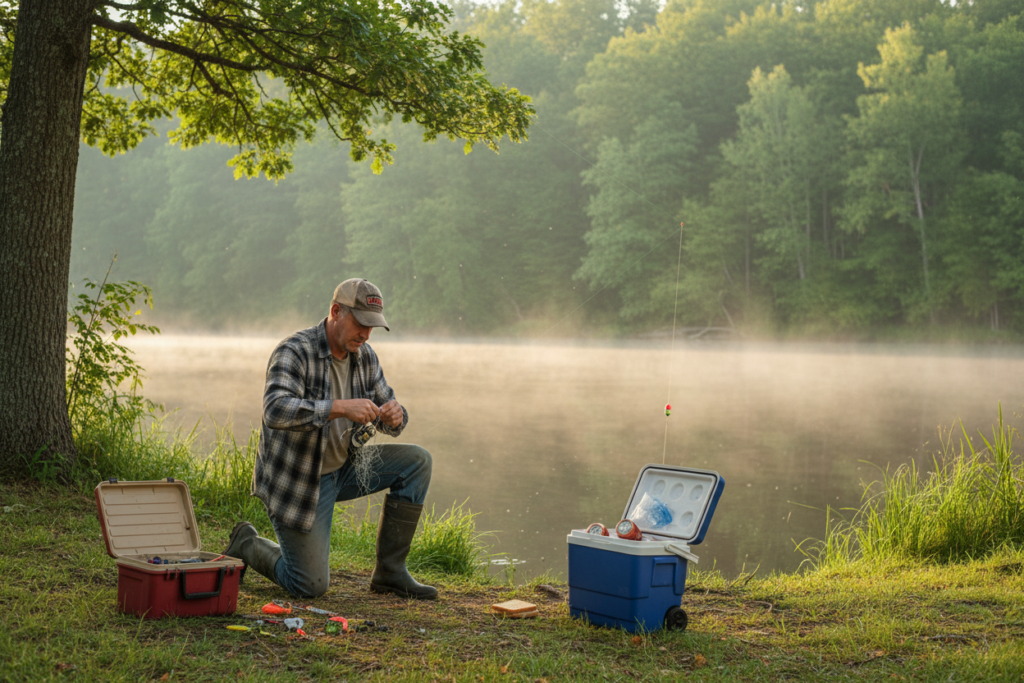
Preparation reduced fatigue and risk. Treating a fishing trip like a focused game helped each angler protect their body and sharpen skills. Time spent planning meant more productive hours on the water.
Professional anglers relied on routine checks of rod, line, and tackle. They recorded what worked and what failed. Over time, that practice built real experience and extended a lifetime in the sport.
Observation completed the loop. Noting weather, fish movement, and personal habits let them refine each outing. With steady preparation and careful watching, every day became a chance to learn and enjoy the game more fully.
Understanding the Physical Demands of Angling
Repeated casting, long hours at the tiller, and steady strain on joints make this activity physically demanding. One season of repetitive flipping produced a painful “flippers elbow” that required medication and taped support for weeks.
After 23 years of operating a tiller motor, one dedicated angler developed calcific tendinosis of the supraspinatus and subacromion bursitis. That diagnosis shows how chronic load changes shoulder function and pain.
Recovery is possible. With targeted strength conditioning and by working muscles and tendons at different angles, many injuries improve over a five-month plan.
- Significant strain: Long-term motor work can cause severe shoulder issues.
- Body management: Fighting waves and repeated casts taxes muscles, line control, and balance.
- Posture matters: Poor stance often creates a lot of soreness; specific exercises correct it.
- Legs and back: On a boat these groups stay engaged, so treat the sport as a serious physical activity.
- Prevention tips: Follow professional tips to strengthen muscles to avoid season-ending injuries.
For a deeper look at how angling intersects with physical activity and to support training plans, see the angling and physical activity paper.
Developing Better Fishing Routines Through Posture and Stretching
Adjusting how one stands and moves reduced strain for those who spent lots of time on a boat. This section outlines posture fixes and quick stretches anglers can use before a fishing trip to protect shoulders, back, and legs.
Correcting Posture for Injury Prevention
Good alignment is a key part of injury prevention. Bad posture is a leading cause of soreness during long hours on the water.
Simple cues: keep a slight bend in the knees, tuck the pelvis, and draw the shoulders back to reduce load on the rotator cuff and spine.
- Stand with feet hip-width apart to improve balance on a moving boat.
- Keep the line of sight forward and avoid leaning into each cast.
- Rotate from the hips rather than the lower back when hauling in a fish.
- Take short posture checks every 30–45 minutes to reset alignment.
The Importance of Pre-Trip Stretching
Before any trip, a brief routine primes the muscles used in casting and fighting fish. Shoulder rotations and wrist circles ready the upper body.
Stretching legs, calves, and ankles helps with balance and reduces slips on wet decks. Ending the day with light stretches aids recovery.
- Warm up with 3–4 minutes of brisk movement.
- Perform shoulder rolls, wrist circles, and gentle spinal twists.
- Finish with calf and hamstring stretches to protect the lower body.
Strengthening Key Muscle Groups for Improved Performance
Deliberate strength training made balance on a moving deck far more reliable. A focused program targets the parts of the body that support long days on the water and reduce fatigue while fighting a hard-fighting fish.
Core Stability for Boat Balance
Core strength is the heart of stability when a boat heels or the sea stirs. Planks, medicine ball twists, and controlled sit-ups build the trunk power needed to stay steady while handling line and rod.
Upper Body Strength for Casting
Strong shoulders and back improve casting distance and reeling control. Include rows, shoulder presses, and grip work with kettlebells or ropes to protect the rotator cuff and increase pulling power.
Leg and Glute Conditioning
Legs and glutes support stance, prevent slips, and absorb force when a large fish takes line. Squats, lunges, and farmer’s walks condition these groups for long days and sudden surges of effort.
- Core: planks and twists for balance.
- Upper body: rows, presses, and grip drills for casting and reeling.
- Legs: squats, lunges, and carries to support posture and endurance.
For guided strength exercises that match paddling and on-water demands, see a targeted exercise guide at exercise recommendations.
Nutritional Strategies for Long Days on the Water
Long hours on the water demand a meal plan that sustains steady energy and focus. Proper nutrition keeps performance high across a long trip. Simple swaps beat chips and soda.
Pack balanced snacks: nuts, whole-grain wraps, lean protein, and fruit. These items slow fatigue and support core and leg strength during repeated activity. Small, frequent bites help maintain steady glucose and reduce crashes.
Hydration is nonnegotiable. Carry plenty of water and electrolyte options. Muscles work better when the body is hydrated, and perceived effort drops during long hours.
“Many pros plan meals like they plan casts — deliberate and timed.”
- Bring compact protein for strength when a big fish takes the line.
- Choose high-fiber carbs for steady energy throughout the day.
- Keep easy snacks within reach to avoid long gaps between meals.
View nutrition as part of training. Food fuels exercises that protect shoulders and legs. Stock the boat before each outing so stamina lasts until the end of the day.
Advanced Conditioning for Trophy Fish
Simulating a prolonged battle on deck teaches the body how to cope when a large fish takes a hard run. This section covers targeted work and gear that recreate the strain of a trophy encounter.
Simulating the Fight with Specialized Equipment
Captain Ralph Mayans of the Sea Cross in Miami helped shape programs that match deep-sea demands. He advised using endurance tools that tax grip, back, and shoulder stamina.
The crank machine is a prime example. It repeats long pulls and mimics the steady tension of a heavy line under load.
- Train all major muscle groups: include legs, back, core, and shoulders so the body resists fatigue over long fights.
- Use kettlebells and ropes: these improve grip and pulling power, a key tip from pro coaches.
- Employ crank-style endurance: simulate minutes of steady effort rather than short bursts.
- Test progress on the water: a trip to Lawrence Bay Lodge offers a real way to measure conditioning against trophy-sized northern pike.
By adding these specialized exercises to a plan, anglers prepare muscles for the most demanding scenarios they will face.
Conclusion
A clear plan before launch makes each outing more productive and safer. Consistent preparation and careful observation form the foundation of a long fishing life for anglers. These habits protect health and extend enjoyment of the game.
Integrating targeted exercises, stretching, and sensible nutrition prepares the body for time on the water. Simple strength work and short mobility drills reduce strain and keep focus during each day.
Whether a novice or a seasoned angler, protecting the body preserves the experience of the sport. Take care of posture, fuel well, and rest. That approach keeps you ready to land the next big fish.