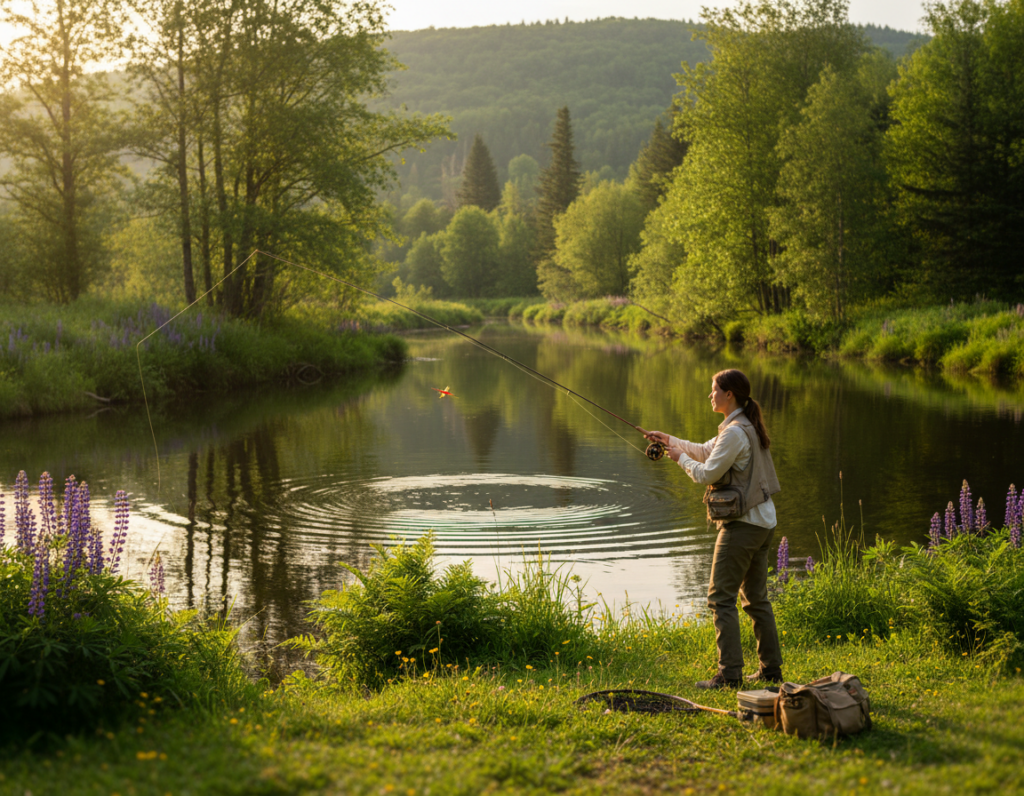
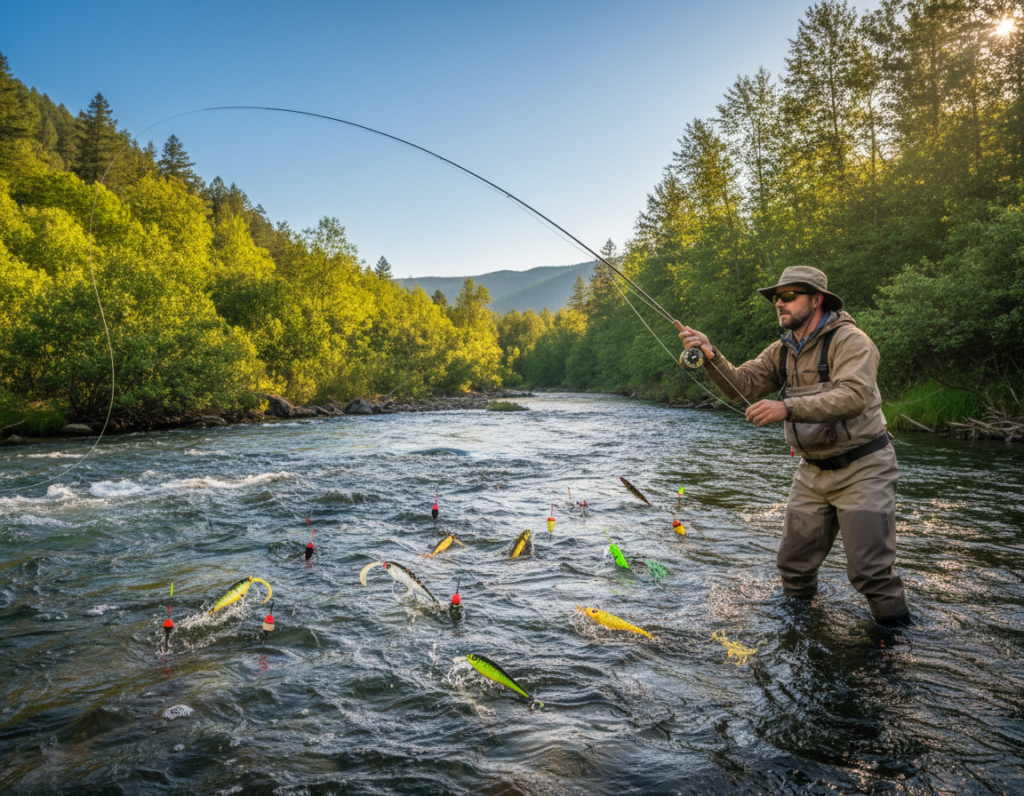
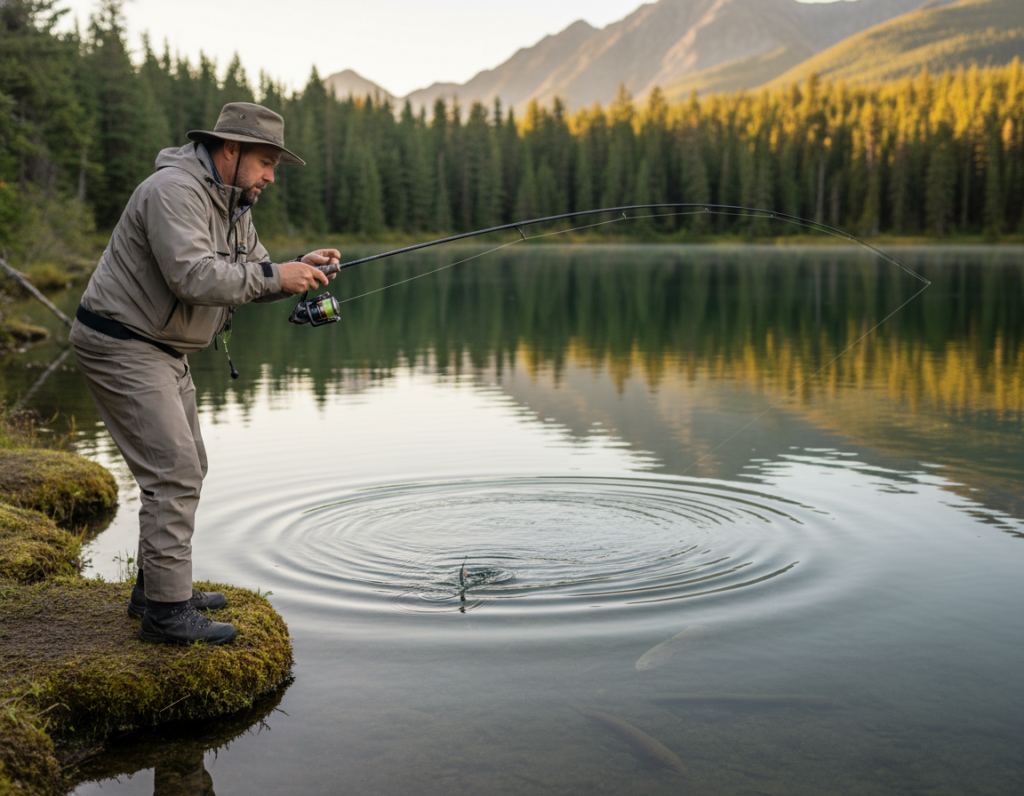
Kylie has fished lures for 35 years and shows how modest changes make big differences on the water.
This article gives a clear, practical guide for anyone who would like to master soft plastic and soft plastics for freshwater fishing. You will learn the best rod and reel setups, why a good leader matters, and how hook sizes affect fish hookups.
The most important thing a beginner can learn is how to retrieve with a natural action so your lure looks like real bait. We cover line control, jig head weight, and the right rod tip movement.
Whether you chase trout or other species, the guide includes a short video to show rod tip timing. Follow these tips to save time, buy smarter at your tackle store, and get more bites each day.
Understanding the Basics of Soft Plastic Fishing
Getting started with fishing soft plastics can feel overwhelming the first time you walk into a tackle shop. There are many different shapes and sizes on the wall, and each one moves through the water in its own way.
Focus on fundamentals. Learn how a soft plastic lure swims and why tail shape, body profile, and weight change action. The style of fishing you choose—bouncing bottom baits, slow swim, or a fast twitch—usually decides which plastics work best.
Many anglers, including Kylie, started with classics like the Mr Twister double tail and a blue fox vibrotail.
“I bought my first Mr Twister and a pack of vibrotails at a local shop,”
Pick one or two lure types per trip and match rigging to the rod and target fish. Simple rigs save time and help you learn what works for specific environments. Remember, not all plastics perform the same; choose ones suited to the water and the way the target fish feed.
- Start with a small selection of shapes
- Match lure action to your chosen style
- Test rigs on different rods to find the best way to present
Selecting the Right Tackle for Your Target Species
A proper setup keeps your plastic lure working near the bottom where fish feed. Match gear to the species you want and the water you fish.
Rod and Reel Selection
For Flathead: use a 7ft 2–4kg rod with a fast action. Pair it with a 2000–2500 reel to balance the rod and deliver enough power to land a decent fish.
Spool 6lb braid on your reel. This gives sensitivity and low stretch so you feel the tail action and maintain contact with the bottom.
Choosing the Correct Leader
Leader choice matters. Use a 10lb fluorocarbon leader for Flathead to resist abrasion from their mouth. For Bream, drop to 3–6lb so the fish won’t become line-shy in clear water.
- Keep jig head and hook sizes small for Bream.
- Use 3–5″ curl tail grubs (ZMan) for Flathead.
- Keep your rod tip near water level when landing fish to reduce hook throws.
“A good tackle store can point you to the right jig weight for local conditions.”
Mastering Effective Soft Plastic Retrieval Techniques
Gentle, timed rod lifts are the fast track to lifelike lure action on flats and shallow runs.
The Importance of Rod Tip Action
Short, sharp lifts of the rod tip bring the tail to life and trigger strikes from Flathead and Bream.
Cast far, then use quick flicks of the tip while keeping it near water level. This angle helps the hook set and keeps the line tight.
- Use a light jig head so the lure sinks naturally and hugs the bottom.
- Pair that head with a 10lb fluorocarbon leader for abrasion resistance and low visibility.
- Pause often; let the lure settle like a wounded baitfish before the next lift.
If you can’t feel the action yet, study video footage on YouTube to copy timing and tip movement. Practice builds the muscle memory you need to trigger more bites in varied water and wind conditions.
Reading the Environment to Locate Freshwater Fish
A quick scan of tide lines, sandbanks, and nearby structure often reveals where trout and flathead hunt.
Start by watching how the water moves across the bottom. Look for sandbars, rock patches, and weed edges where bait gathers. These spots attract predators.
Note tide changes. As the tide rises, flathead move onto shallow sandbanks to feed. When the tide falls, they slip back into deeper channels.
- Study the environment first—this is the most important thing an angler can do.
- Place your lure so it keeps constant contact with the bottom where ambush predators wait.
- Match your rod angle and tip action to keep the bait natural over sand and structure.
Successful fishing comes from being in the right spot, not just long casts. Read the water and put your lures where the fish feed.
Advanced Tips for Improving Your Presentation
Small changes in scent, jig weight, and rod motion can turn an ordinary cast into a decisive strike. Use these focused adjustments to make your lure read like real bait in varied water and wind.
Applying Scents for Better Results
Apply S FACTOR to your soft plastic every half dozen casts to keep scent fresh. This helps Bream and other species hold on longer and increases hookup chances.
Utilizing Proper Jighead Sizes
Pick jig weight based on depth and current. A heavier head keeps action low in fast water; a lighter one lets the plastic flutter in shallow flats.
Learning the Walking the Dog Method
Walking the dog is surface work that needs practice. Keep your rod tip near the water and use short, sharp jabs while winding slowly to make the lure dart side to side.
- Apply scent regularly for longer-tracking bait.
- Match jig size to the plastic lure and water depth.
- Watch video footage to learn the rhythm of the walk.
- Talk to staff at Tackle Land at Sandgate for local, fish-tested advice.
“A fresh scent and the right jig weight often beat a pricier lure in tough conditions.”
Conclusion
To finish, small improvements in line control and rod tip timing pay big dividends on the water. Mastering soft plastic and soft plastics is a gradual, rewarding process that improves your fishing success.
Keep your rod tip low when landing a fish to stop the hook from shaking free. Use a quality fluorocarbon leader and the correct jig head weight so your lure stays near the bottom and swims naturally.
If you would like more practical tips, visit a local tackle store for tailored advice and watch the linked video resources. For extra season-focused ideas, see these end-of-season tips.
Practice your retrieve, stay patient, and keep learning. Good anglers adapt and improve on every trip.