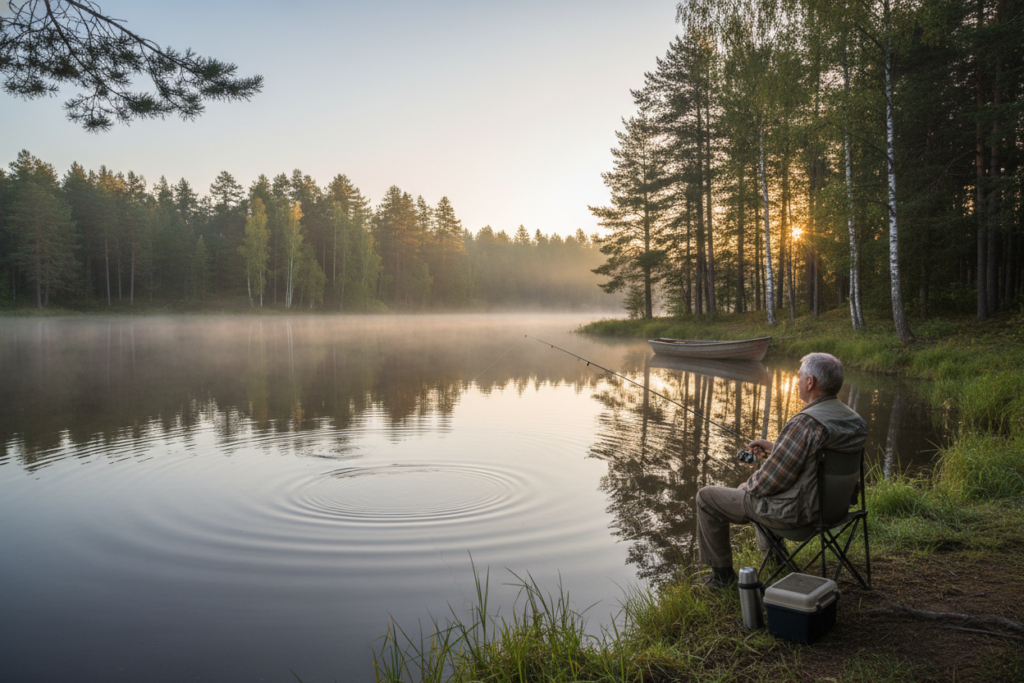
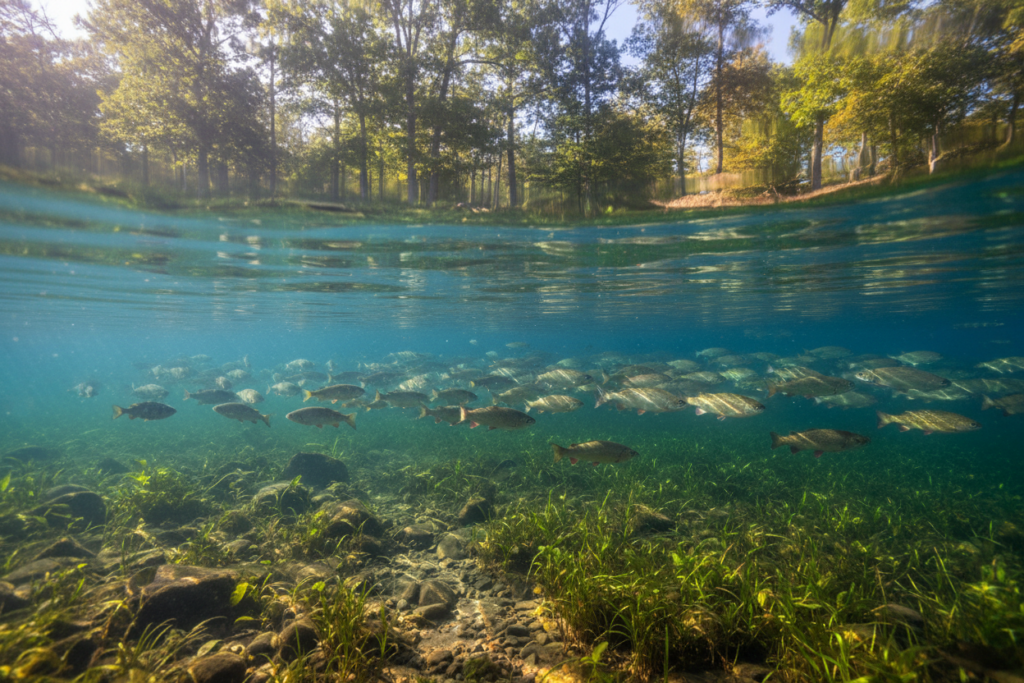
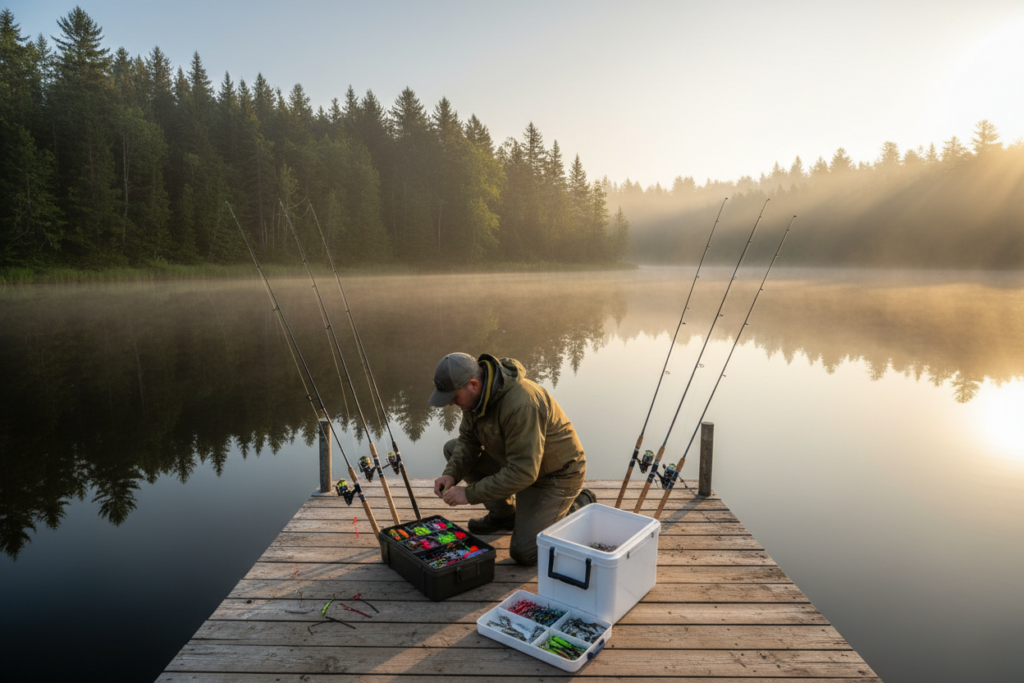
Anglers in Orlando, United States, can boost success by pairing local knowledge with simple planning. The metro area’s chain-of-lakes supports trophy largemouth bass, panfish, and exotic species. The Fish Orlando program, run by the FWC since 1998, makes quality outings easier for families.
Preparing for a productive trip means checking a localized forecast and the fishing almanac to learn major and minor bite times. A concise report pinpoints when big bass, schooling crappie, or hard-pulling sunshine bass are most active.
By monitoring water trends and moon-phase data, anglers sharpen their choices for launch times and tackle. Using those insights, they can plan each outing with confidence and enjoy better results across natural lakes and hotel ponds.
Practical planning pays off: smart timing and clear, localized information turn a routine outing into a memorable catch.
Understanding How Fishing Weather Conditions Impact Success
Knowing how light and temperature shift fish behavior gives anglers a clear edge in Orlando. Small changes in sun and heat often force bass to change depth and feeding times.
The Role of Light and Temperature
As water temperatures climb in late spring and summer, experienced anglers move to deeper structure and favor early and late time slots. A reliable report often shows bass holding on 8–15 ft offshore once the sun is high.
Low light—cloudy or rainy periods—can trigger more activity in the Butler and Conway chains. During spawn, anglers pitch soft plastics to visible beds in protected coves for consistent results.
Monitoring Precipitation
Rain and cloud cover alter bite patterns and short-term movement. Tracking the daily bite percentage helps anglers judge if a given day is worth targeting trophy largemouth bass.
- Watch temperature shifts; metabolism changes fish aggression.
- Track barometric pressure and wind speed for consistency.
- Adjust depth and retrieve speed when light intensity rises.
Practical tracking of these factors makes each outing more predictable and productive across Orlando’s lake system.
Utilizing Solunar Tables and Moon Phases
A Solunar Clock simplifies trip planning by mapping major and minor bite peaks to a seven-day calendar. Anglers who use precise solunar tables can spot the best times to target bluegill, shellcracker, and bass in the Orlando area.
Use the 7-day fishing calendar to sync your trip with moon-driven activity and major weather shifts. A comprehensive fishing forecast rates each day on a five-star scale, showing major and minor bite times so they can pick high-probability days quickly.
The multi-day report combines moon phases, pressure impact, wind direction, and surface waves. By checking the weather forecast alongside moon data, anglers avoid juggling multiple tabs and know at a glance if today is a productive day to fish.
Bookmark the fishing almanac to track upcoming full moons and prime bite times. Integrating moon phases into daily strategy is a proven way to increase catch rates and make every trip more efficient.
Analyzing Barometric Pressure and Wind Patterns
Tracking barometer swings and wind direction reveals short windows of peak activity on Orlando lakes. Anglers should use a daily report to spot pressure trends in mm and wind speed in m/c before they launch.
Interpreting Wind Direction and Speed
Wind direction changes how waves hit points and shallows. Fish often sit on the downwind edge of structure when breeze piles water into a bank.
Wind speed affects surface chop and clarity. Light gusts can stimulate activity, while strong gusts push fish deeper and scatter baitfish.
- Check the local report for wind vanes and m/c readings.
- Match lures to clarity: bright baits in stained water, subtle profiles in clear water.
- Monitor barometric trends—stable forecasts often precede high activity.
Combine moon phases and pressure data to find the best times to target largemouth and sunshine bass. Adjust tactics as pressure shifts through the day to stay on top of changing activity.
Seasonal Strategies for Orlando Water Bodies
Each season brings distinct zones and tactics on Orlando waters; adjust strategy to stay productive. A short seasonal plan helps anglers match tackle, time, and location to what the lake presents that day.
Winter and Early Spring Patterns
From December into March, bass stage along spawning flats in 4–8 feet near hydrilla edges and shell bars. Target these margins with slow presentations.
Crappie anglers often run a spider rig and slow-troll live minnows over deeper holes, especially on Lake Toho.
Summer Offshore Tactics
In summer, fish move offshore to deep drop-offs on big systems like the Butler Chain and Johns Lake. Dawn topwater over offshore hydrilla on Tohopekaliga and Kissimmee creates explosive action.
Night sessions on clear lakes such as Butler and Conway chains can extend productive time when daytime bites fade.
Fall Schooling Activity
Fall brings heavy schooling as shad compress on mid-lake bars. Cover water quickly to locate active schools and present fast baits.
- Use a seasonal fishing forecast to pick high-probability days.
- Start in the early morning for sunshine bass before the sun climbs.
- Switch from slow presentations to moving lures when fish are schooling.
Adapting Tactics for Urban Ponds and Small Lakes
Urban ponds and small lakes need a different playbook than big reservoirs—simple, stealthy tactics win more often.
Many neighborhood sites, like Barnett Park Frog Pond and Bear Creek, are stocked for put-and-take channel catfish and sunfish. For channel catfish, anglers should try chicken liver on a #6 or #8 hook near the marked “Baited Fishing Area” signs.
Downsizing presentations and making quiet entries pay off in pressured spots. Use weightless stickbaits and compact swim jigs around fountain aeration and emergent vegetation for higher success.
Early morning casts along bank contours and culvert openings often trigger a bite from bass in small ponds. When the bite tightens, switching to small pieces of worm or crickets under a float helps catch panfish.
- Match bait to the local forage to stay productive.
- Check the local report—cloud cover can boost surface activity.
- Keep gear compact and presentations subtle in urban water bodies.
Simple, targeted tactics and timely adjustments make trips to neighborhood ponds more consistent and enjoyable.
Selecting the Right Gear for Changing Environments
Adaptable tackle matters most when fish shift among hydrilla, shell bars, and dock shadows. Matching line class and lure action to structure helps anglers stay on active schools.
Line and leaders: use 8–12 lb fluorocarbon or monofilament on deep drop-offs to balance sensitivity and abrasion resistance in deeper water. Lighter tests cut through cover without spooking fish.
Low‑light tactics: for early morning or late evening, topwater plugs and lipless crankbaits trigger explosive strikes. When bass refuse the surface, switch to a fluke, finesse worm, or a wacky rig for subtle presentations.
Summer setup: deep-diving crankbaits reach fish holding in 8–15 ft on systems like the Butler Chain. A versatile rod and reel combo lets an angler swap from moving baits to soft plastics in short times.
Maintain reels, boards, and lines after trips across clear lakes and canals. Keep a selection of lures to match the hatch, and the right gear will make any day more productive.
Navigating Local Regulations and Fishing Maps
A quick check of local maps and regulations can save time and keep a trip lawful and safe. Anglers should confirm public access, ramp hours, and reserve boundaries before they launch.
Accessing public fishing opportunities is easier with the Fish Orlando program. Call 352-732-1225 for directions, tips, and family‑friendly launch sites in Orange County.
Where to find rules and maps
Information kiosks at ramps such as George Barker Park display bag limits and local rules. Statewide regulations for the United States apply to most waters, so read posted notices carefully.
- Check the interactive fishing map to locate public spots and avoid reserves.
- Follow species bag limits for largemouth bass, panfish, and crappie.
- On the Conway Chain, anglers are encouraged to keep “skinny” bass under 13 inches to improve fish quality.
Responsible anglers verify the latest report and map before each trip. Knowing legal limits for sunshine bass, bluegill, or other species keeps fisheries healthy and ensures continued public access and action on the water.
Conclusion
Clear planning and simple tools let anglers match outings to peak activity on Orlando waters. Use solunar tables, moon-phase timing, and localized forecasts to pick high-probability windows.
Adapt seasonal strategy and gear to the lake type and time of year. Small kit changes and targeted presentations keep trips productive across ponds, chains, and larger lakes.
Observe local rules and access points, and share results with the community to help sustain quality angling opportunities. For more on how short-term shifts influence success, see how weather affects fishing success.
Consistent results come from matching approach to time of day, available cover, and environmental cues.