Nell Regan Kartychok documented how hands-on science helped children build core observation and classification skills. Her work showed that structured play and simple experiments gave students a strong base in noticing patterns and sorting data. This approach made learning clear and reliable.
Anglers who trained the same habits used subtle cues to read water, weather, and behavior. Treating a day on the water as a focused study turned casual fishing into a rewarding experience. Mastering these skills required patience and steady attention.
Whether a beginner or an expert, the fun of discovery stayed central. Kids and adults gained a deeper appreciation for aquatic science when they practiced careful watching and classified what they saw. Those habits helped them become more effective at every cast.
The Importance of Fish Activity Observation
A clear, repeatable way to watch conditions gives anglers a real edge on any outing. The PAUSE method, developed by Pete Stitcher, is one practical form that asks anglers to stop, assess, and log what they see before they cast. This structured method turns casual time on the water into useful data.
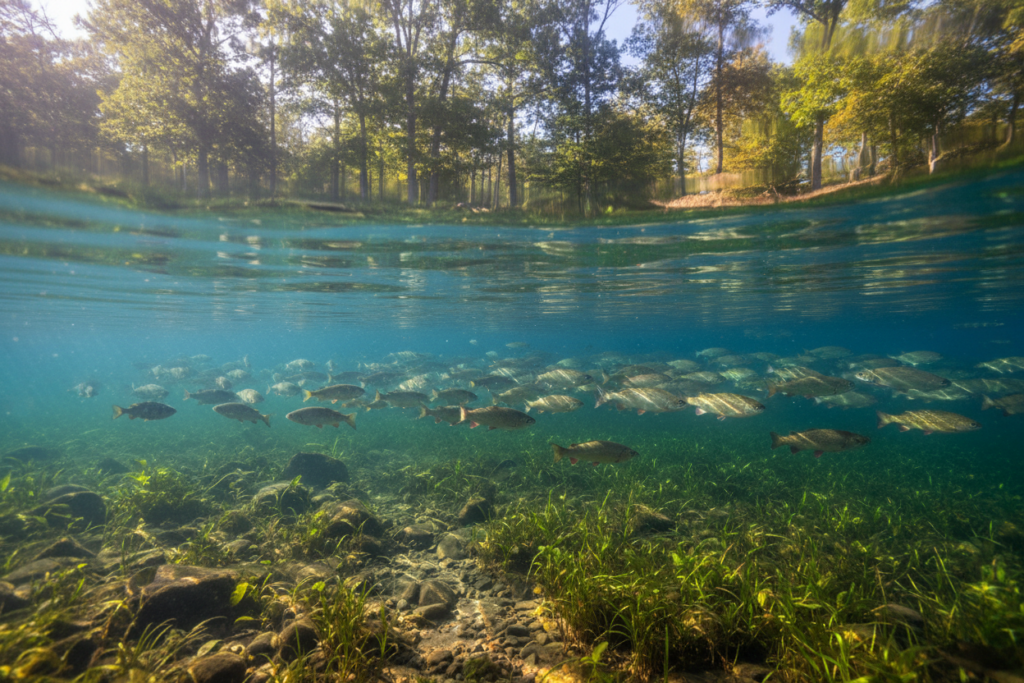
Consistent watching improves success. By tracking daily patterns, anglers learn when life below the surface is most active. Educators note the same benefit in science lessons: when children and students practice classification, they hone skills that translate to outdoor work.
Spending each day with a disciplined approach makes every fishing trip a chance to grow. Documenting observations helps anglers interpret weather, prey signals, and shifts in behavior across a full day.
- Builds pattern recognition — like classroom classification.
- Creates repeatable routines — the PAUSE method supports this.
- Boosts enjoyment — the fun of discovery increases with clear records.
Developing a Keen Eye for Water Conditions
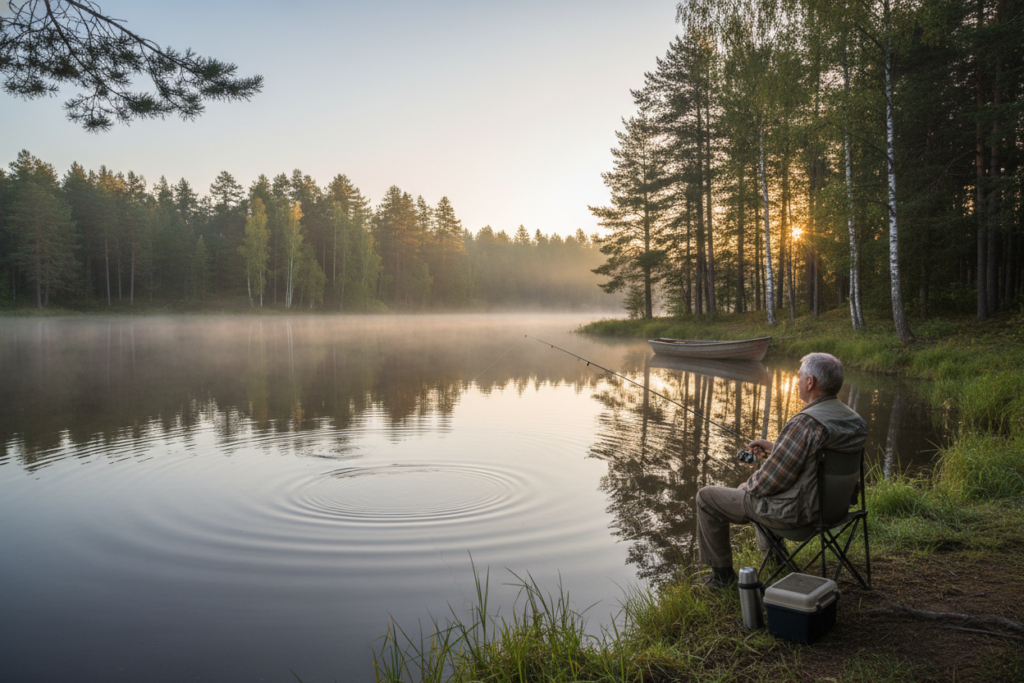
A practiced eye spots subtle shifts on the pond before a single cast is made. Learning to read light, wind, and ripple patterns gives anglers a repeated advantage through the day. This skill is taught best with patient practice and steady attention.
Visual cues
Surface color, sheen, and small wakes all convey useful information. Much like children in a science class sorting specimens, anglers use classification to separate signals from noise.
Clear notes and short sketches help turn casual glimpses into reliable observations. Students and kids who practice this grow sharper skills faster.
Surface disturbances
Ripples, boils, and sudden splashes often signal feeding or movement beneath the surface. Those subtle signs can mark where fish gather and hunt for prey.
“Look for patterns in small changes; they point to where life is most active.”
- Scan in short bursts — five to ten seconds each.
- Log conditions — wind, light, and surface texture.
- Compare over time — record what repeats each day.
Analyzing Prey Species and Food Sources
Examining nearby food sources gives anglers a practical edge when selecting flies or lures. Pete Stitcher’s PAUSE method directs checks in three places: the parking lot, above the water, and under the water. This simple routine helps turn casual notes into a clear plan.
Why it matters: analyzing prey species is the best way to choose what to cast. When specific insects or bait are abundant, predators show clear preferences. Those selective feeding habits make matching crucial.
Teaching moments: children and students enjoy sorting specimens. Identifying species mirrors classroom classification and adds a fun science angle to fishing.
- Use the PAUSE checks to sort food sources from parking to beneath the surface.
- Track life cycles to predict when and where predators will be most active.
- Make decisions based on observations, not habit or luck.
“A systematic approach ensures every cast is guided by evidence rather than chance.”
Understanding Fish Activity Through Life Stages
Life stages of aquatic insects shape feeding windows and gear choices. Identifying which stage is present gives anglers a clear, repeatable guide for the day.
Emergence patterns
Emergence patterns act like a simple chart that shows when predators shift from feeding below the surface to taking prey at the top. Young learners and experienced anglers both gain from tracking these shifts.
When a child records changes, they are using the same classification methods taught in science lessons. That practice builds useful skills and reinforces learning about ecosystems.
- Identify life stage: larva, pupa, or adult to match the hatch.
- Use time cues: note morning and evening peaks for best results.
- Turn observations into strategy: adjust flies or lures based on the charted pattern.
“The time spent watching emergence pays back in smarter decisions and more consistent results.”
The Role of Weather Patterns in Angling
Tracking weather from morning to evening gives anglers a reliable chart of expected behavior over the year.
Barometric shifts, temperature swings, and seasonal fronts change where and when fish feed. Monitoring pressure and air temperature helps anglers predict short windows of success.
A sudden darkening sky or a cool breeze can mean an approaching storm. Quick attention to the sky is also a safety step for anyone spending a day on the water.
Children and students learn these skills fast when teachers use a simple weather chart. That same lesson helps anglers record trends and plan future fishing trips.
- Note pressure and temp: log readings each outing.
- Watch short-term cues: clouds, wind shifts, and light changes.
- Review year-long records: find repeatable patterns in behavior across the year.
“Keeping an eye on the sky and a log in hand turns weather into useful data for better days on the water.”
Identifying Prime Fish Locations
Locating the best spots comes from reading how structure, depth, and shade shape where life gathers. A clear, repeatable approach helps anglers turn each trip into a short field study.
Structure
Cover and edges guide where larger fish will set up. Rocks, fallen trees, and current breaks create ambush points where groups hold near prey.
Depth
Depth changes mark feeding lanes. Shallow flats, drop-offs, and the head of a run are common places to sort through potential targets by time of day.
Shade
Shade offers cool refuge and hides prey. Banks with overhangs or midstream shadows often concentrate life during bright hours.
- Map structure: note ledges, wood, and current seams.
- Check depth: verify transitions from shallows to deep water.
- Watch shade: mark shaded pockets for later inspection.
Teaching moment: when children and students learn to sort these variables, they build the same analytical skills used in science. Each outing becomes a chance to test assumptions and refine real-time observations for better fishing success.
Utilizing Scientific Methods for Better Results
Treating a day on the river like a short lab session helps anglers form and test simple hypotheses. This approach moves learning from guesswork to repeatable steps.
Apply the scientific method by stating a clear question, testing one variable, and recording the outcome. Small, focused trials make it easy to compare results across trips.
In a classroom or homeschool setting, students and kids gain practical skills by doing these exercises. They develop basic math and analytical skills while linking principles of inquiry to real-world fishing.
- Group findings by water condition, lure, or time to spot patterns.
- Use short tests to refine techniques and improve consistency.
- Turn results into simple rules that guide future trips.
“Structured experiments turn casual outings into useful data for better decisions.”
Keeping a Detailed Fishing Log
A good logbook turns random trips into a structured study of what works and why. It helps anglers track conditions and repeat successful choices.
Data collection
Start each entry with date, location, and basic weather. Note water flow, lure or fly, and the best time for a catch.
A journal for learning works well for children and students in a classroom setting. Recording results teaches basic math and the value of accurate data.
- Write specifics: water temp, gear, and exact set of steps tried.
- Keep a running collection: patterns emerge when entries build over months.
- Use numbers: count bites, time of day, and success rate to apply simple math.
Consistent documentation is the mark of a serious angler. For practical tips on creating and maintaining a useful record, see maintaining a useful fishing log.
Mastering the Art of Lure Selection
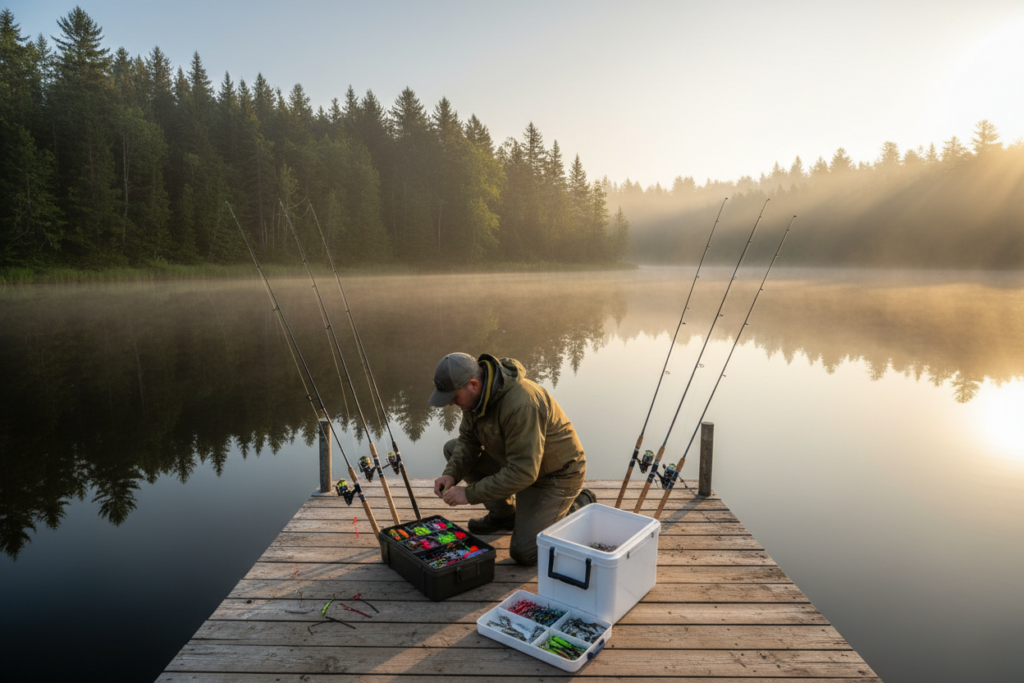
A strong lure selection process treats each cast as a small experiment to test an idea. This approach turns guesswork into repeatable learning.
Mastering the art of lure selection means matching lure motion to prey movement and water conditions. Use a varied collection to test which lures trigger the most strikes through the day.
Children, students, and kids enjoy trying different tools. A simple DIY set—built with a 24 by 1/2 inch wooden dowel rod—works well for teaching basic fishing skills.
- Test one thing at a time: change action, not color, to isolate effects.
- Keep a small chart: note which lure worked by time, light, and flow.
- Use the right gear: neodymium magnets and other specialized tools show how equipment affects success in related outdoor sets.
“Treat each cast like a mini experiment; results build a useful chart for future trips.”
Interpreting Water Clarity and Flow
Reading how clarity and current change across a stream gives anglers a quick roadmap for the day’s tactics. Interpreting clarity and flow is a basic skill that shapes every fishing choice.
When the water turns turbid, anglers must sort through lure options to find ones that remain visible. Quick adjustments to color, vibration, and retrieve often solve the visibility problem and keep the cast productive.
Children, students, and kids learn these links fast. Simple science-style checks—compare clear pockets to fast seams—help them see how flow alters where life gathers.
Experienced anglers share a common set of tips: check local gauges before trips, note recent rain, and watch how current shifts over submerged structure. Solving high-flow or low-visibility problems takes constant attention and small, steady changes.
- Check gauges: plan the trip with recent flow data.
- Sort lures: favor vibration and contrast in murky water.
- Adjust often: change pace and placement as the day evolves.
“Reading clarity and current turns a day on the river into informed decisions and better results.”
Recognizing the Unknowables in Fishing
Some days on the water resist tidy explanations, and learning to accept that opens new ways to learn. This is an art that asks for patience, a light touch, and a lasting sense of curiosity.
Unpredictable moments can come without pattern. A change in light or subtle shifts in behavior may trigger a run of success or silence.
Children and students who face uncertainty learn a key lesson from science: asking questions matters as much as finding answers. Teaching this mindset helps them grow into careful note‑takers and creative problem solvers.
By keeping brief notes, anglers can spot trends even when causes remain hidden. These recorded observations build a slow map of what usually works and what seems random.
Practical tips:
- Accept that some variables sit beyond control.
- Log surprising outcomes to test later.
- Focus on what can be changed—position, lure, and timing—to stay productive.
“The idea that not all things yield a cause is both humbling and freeing.”
Applying Observation Skills to Different Environments
Shallow ponds, flowing rivers, and coastal inlets each teach unique lessons about timing and gear. Anglers who move between these settings must change tactics to match local conditions.
The Early Years Learning Framework supports this flexible approach. In classroom or homeschool settings, students and children adapt methods to the needs of each site. That hands‑on learning builds durable skills.
Working in groups helps learners compare notes and test ideas together. Shared logs and quick sketches foster collaboration and bring science and math into real moments outdoors.
- Match method to water: depth, flow, and cover change where fish gather.
- Practice adaptable skills: change lure, pace, or position and record results.
- Use group work: learners test hypotheses and learn from peers.
“Applying learned techniques across settings is the hallmark of a well‑rounded angler.”
Enhancing Focus Through Mindful Practice
A steady, calm attention converts routine time on the shore into useful, learning moments.
Mindful practice helps anglers stay present and notice subtle signs in the water. It trains the eye to pick up shifts in light, ripple, and prey movement that signal where fish gather.
A teacher or mentor can guide children and students through short, repeatable exercises. These mini routines build skills, boost confidence, and make science-style thinking natural on each trip.
The art of mindfulness also strengthens curiosity. When learners stay engaged in the moment, they better understand life cycles and what drives feeding behavior across time.
- Practice five-minute scans before each cast to sharpen focus.
- Keep simple notes to reinforce what the eye remembers.
- Encourage a child to ask one question after each stretch of time on the water.
“Presence on the bank turns every outing into a gentle lesson in focus and discovery.”
Integrating Data for Future Success
When anglers treat each day as data, patterns emerge that refine gear, timing, and placement. This method applies the scientific method by turning questions into small, testable steps and clear results.
Students in a classroom learn the same lesson: careful collection and classification make breakthroughs possible. Reviewing notes from a full year of outings helps spot trends in fish behavior and water conditions that repeat over seasons.
The ongoing collection of simple metrics—time of day, lure, weather, and counts—builds a useful archive. Each trip adds context, and the experience of analyzing that data deepens understanding of complex patterns.
- Apply principles: form a hypothesis, test one variable, record results.
- Review yearly logs: identify repeatable windows for success.
- Value daily learning: every trip makes the next one smarter.
“A commitment to data-driven decisions separates casual anglers from true experts.”
Refining Techniques Based on Real-Time Feedback
Adaptive methods let learners test small changes and see immediate effects. This approach turns each cast into a clear experiment and builds the habit of quick learning.
Real-time feedback helps anglers read shifting water conditions and changing behavior during the day. When students apply a simple method—change one variable, watch the result—they gain practical skills and grow confidence to solve any problem on the bank.
Small, repeatable tests are the most effective form of learning. Try a short trial of three casts with a single change, then log the result. Over a year, those small wins add up and reveal patterns in life cycles and timing.
- Test one thing: change retrieve or placement, not both.
- Record time and result: simple notes beat long memory.
- Review yearly notes: trends turn guessing into a repeatable form of success.
“Iterative testing on the water creates the most reliable path to better fishing.”
Conclusion
Wrapping each trip with simple analysis helps anglers and students turn moments into real learning. By treating outings as small tests, they build habits that blend the art of fishing with practical science.
Success is not only counted by the number of fish landed but by the quality of notes and the lessons learned. Each entry adds data that refines gear, timing, and strategy.
In the end, consistent recording and curious practice create a cycle of steady improvement. The recommendation is clear: keep learning, keep logging, and let each day make the next one smarter.