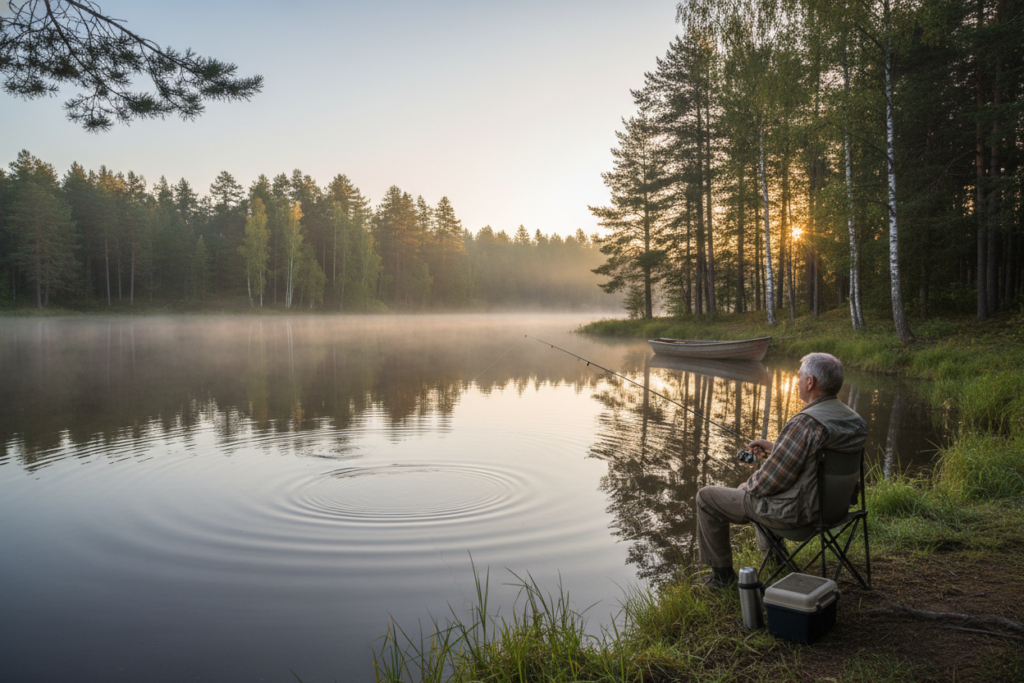
Anglers who learn how the sun, moon, and weather shape fish behavior take a clear edge on the water. This short guide outlines core principles to pick the best time fish and the most productive spots for consistent success.
Understanding light levels, water temperature, and tides helps anglers decide when to cast. Changes in pressure and the new moon phase often trigger strong feeding activity. Learning these patterns makes it easier to read water levels, spot low tides, and target areas where bait and predators concentrate.
Simple rules of thumb include focusing on the first two hours after sunrise and the last two before sunset, checking thermoclines with a thermometer or fish finder, and adjusting bait for species and weather. For practical methods and research-backed tips, see scientific methods to improve success.
Understanding the Importance of Fishing Timing and Location
Knowing when fish move and where they gather is the core skill that lifts results from lucky to consistent. Anglers who study daily patterns find more bites and waste less time.
Water temperature, light levels, and tidal shifts shape feeding windows. Tracking these variables over several days helps anglers pick the best time for their species of interest.
Moon phase and tide influence where bait concentrates and when predators hunt. Small changes in current or levels can shift fish from one area to another.
- Monitor weather charts and short-term forecasts.
- Note sunrise and sunset trends for feeding bursts.
- Log freshwater and saltwater spots to spot patterns.
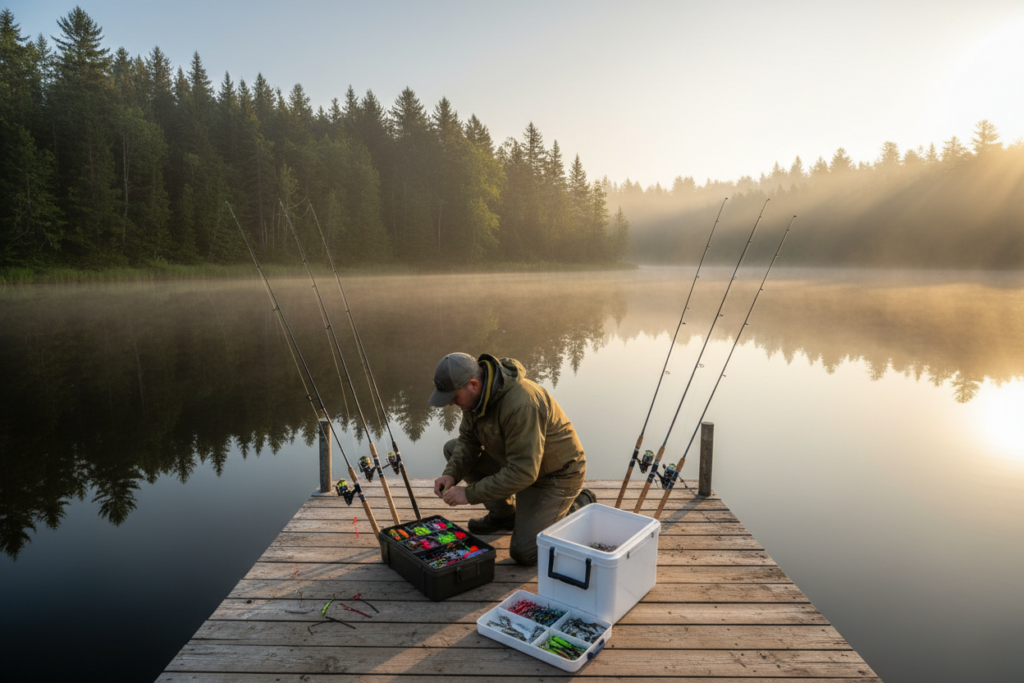
Routine planning pays off: by aligning gear and schedule with predictable feeding times, anglers maximize productive casts and reduce time spent in unproductive periods.
Seasonal Strategies for Targeting Different Species
As seasons shift, fish redistribute by depth and cover. Recognizing those moves helps anglers pick productive days on the water.
Spring and Fall Feeding Patterns
Spring brings rising water temperatures that trigger aggressive feeding as many species prepare to spawn. Fish move into shallows near weed edges where live bait works well.
Fall sees cooling levels and shorter days that push predators to feed heavily. Rocky shorelines and edges become prime areas for pike, musky, and other targets.
Spawning Season Considerations
Spawning windows require care. Regulations often protect nesting fish, so anglers must check local rules before targeting prime spots.
“Dawn and dusk remain prime for topwater blowups,” says Adam Cunningham, Fishing Category Marketing Specialist at Academy Sports + Outdoors.
- Match bait to seasonal feeding: live bait in spring, larger presentations in fall.
- Watch moon phases and tides to refine best fishing times.
- Prioritize areas where bait concentrates; adjust when weather or rain shifts levels.
The Role of Light Levels and Daily Activity Cycles
Daily shifts in sky brightness drive fish from shelter to feeding zones more reliably than many weather cues.
The impact of sunrise and sunset frames much of what anglers observe each day. Low light at dawn and dusk gives predators a stealth advantage.
The Impact of Sunrise and Sunset
Early morning and late evening are often the best time to target topwater strikes. Many predators use dim light to ambush prey, so topwater lures and subtle bait work well.
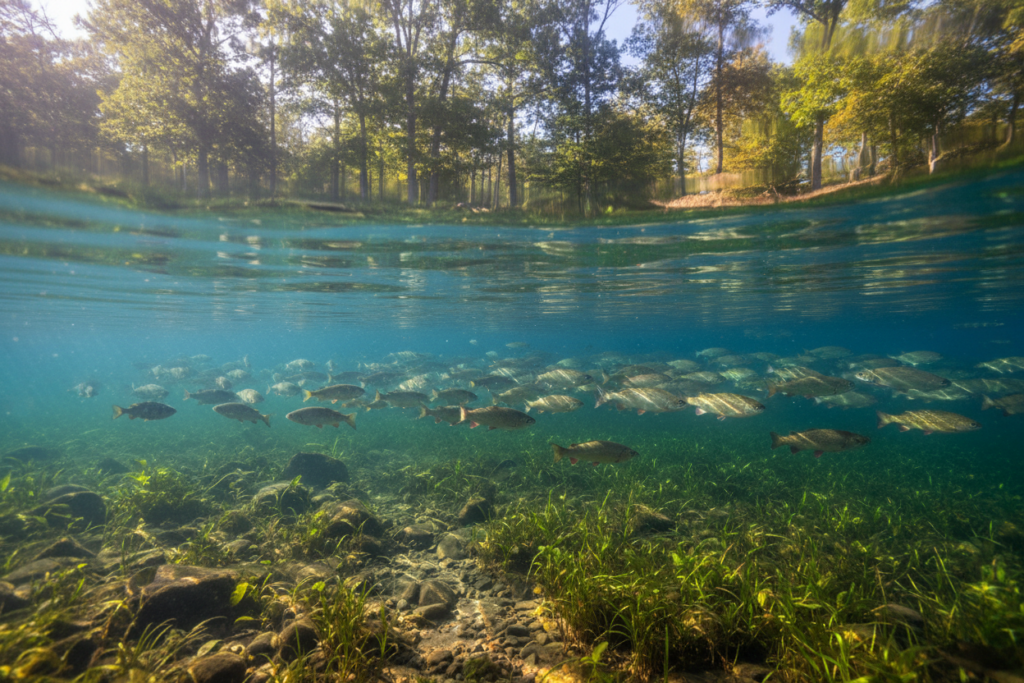
When the sun climbs, light penetrates the water and temperatures rise. Fish tend to move to shaded areas or deeper zones to avoid bright, hot conditions.
- Match lure color to light levels; matte finishes excel in low light.
- Watch the moon phase for small shifts in daily activity cycles.
- Plan trips to be on the water during these key times to catch fish more often.
“Being on the water when light shifts gives the clearest edge for consistent bites.”
How Weather Patterns and Barometric Pressure Influence Bites
Short-term weather shifts and changes in barometric pressure set the pace for when fish move, where they feed, and how aggressive they are. Knowing those trends helps anglers plan trips for the best fishing windows.
Overcast Skies and Rain
Cloud cover and light rain soften light penetration. Fish feel safer near the surface and in shallow areas. This often creates a clear feeding window for several hours.
The Effect of Cold Fronts
When a cold front arrives, water temperature can drop fast. A rise in pressure after the front may make fish sluggish for a few days. Adjust expectations and target deeper, stable zones during that period.
Managing Wind and Water Clarity
Wind pushes bait into productive areas and can mask a boat’s presence. After heavy rain, runoff can reduce clarity and limit visual lures. Watch water levels and clarity to pick the right baits and depths.
- Watch pressure trends: a falling barometer often brings a short, intense feeding period.
- Use wind: position where bait concentrates and focus on structure.
- Adapt after rain: try scented or contrast lures when water is stained.
Mastering Tides and Currents for Saltwater Success
Tide movement and current flow are the unseen engines that dictate coastal bite windows.
High tides can push fish into shallow estuaries that remain closed at other times. For example, a high tide at 03:49 am with a height of 5.41 ft and a coefficient of 96 signals strong water movement and high probability of active feeding.
During low tides, many species concentrate in deeper channels and holes. Those spots hold bait and can offer focused, patient action when water levels drop.
- Moon cycles: the moon is the primary driver of tides; full and new moon phases create spring tides with the biggest highs and lows.
- Currents: moving water brings nutrients and bait, which draws predators like redfish and striped bass.
- Best practice: align trips with incoming or outgoing tide transitions to be on the water when activity peaks.
Plan trips using tide charts and refine spot choices as water levels change. For inshore strategy and practical tips on mastering tides, see mastering tides for inshore success.
Navigating Lake Turnover and Freshwater Dynamics
Seasonal mixing events can flip a lake’s layers, forcing fish to move in search of oxygen and food.
Understanding Lake Mixing Processes
Lake turnover occurs in spring and fall when surface and deep water swap. This redistributes oxygen and nutrients through the water column.
As layers mix, fish often spread out. Some species move toward oxygen-rich pockets near inlets, springs, or shallow shoals.
- Watch dissolved oxygen: find areas with steady readings to locate active fish.
- Rivers respond differently; they shift with flow and sediment rather than classic turnover.
- Monitoring the moon can reveal subtle shifts in water movement during transitions.
Practical tip: adjust depth and presentation to follow fish to higher oxygen zones. Turnover can be harder at first, yet it creates new productive spots for anglers who explore.
Essential Tools and Resources for Modern Anglers
Today’s anglers pair real-time data with on-the-water observation to shorten the search for active fish.
Practical tools include apps such as Fishbrain, Fishidy, Navionics, plus NOAA forecasts for marine weather and tide info. Tracking barometric pressure and moon phases helps identify the best time fishing for specific species.
- Use solunar tables and tide charts as a simple rule thumb for peak periods.
- Combine app data with local notes on water temperature, light levels, and bait activity.
- Apply NOAA alerts before saltwater or freshwater trips to adjust plans when rain or pressure shifts occur.
“Good tools cut guesswork; paired with observation, they turn effort into consistent results.”
Result: anglers spend less time searching spots and more time to catch fish. Tracking the new moon and other lunar events can offer a real edge when targeting specific times fishing.
Conclusion
Success on the water grows when anglers treat each outing as a data point to refine their approach.
Mastering the best time fishing is a process. Observe light, flow, and temperature. Record what works and what does not.
Use modern tools to confirm hunches. Respect natural cycles and local rules. Each trip teaches a lesson that improves future plans.
Stay curious, keep notes, and enjoy the outdoors. With steady effort, results become more consistent and trips more rewarding.