Finding the right spot on a lake starts with reading the water and the bottom. Anglers who study underwater structure and seasonal currents gain a clear edge. This guide shows how to spot likely holds and where to expect movement of fish through the season.
Many experts point to the Rio Grande River between Del Norte and South Fork as one best place for catching fish in June and July. They also advise avoiding crowded parks like Chatfield State Park, Cherry Creek Reservoir, and Boulder Reservoir to find quieter, more fruitful spots.
By linking structure—such as drop-offs, points, and weedlines—with water flow, anglers unlock consistent results. Understanding currents and cover helps them target the best fishing spots in lakes and rivers across Colorado and beyond.
Key takeaways: Learn to read underwater terrain; favor less crowded spots for better fishing opportunities; use seasonal water movement to find great fishing.
Understanding Fish Behavior and Habitat
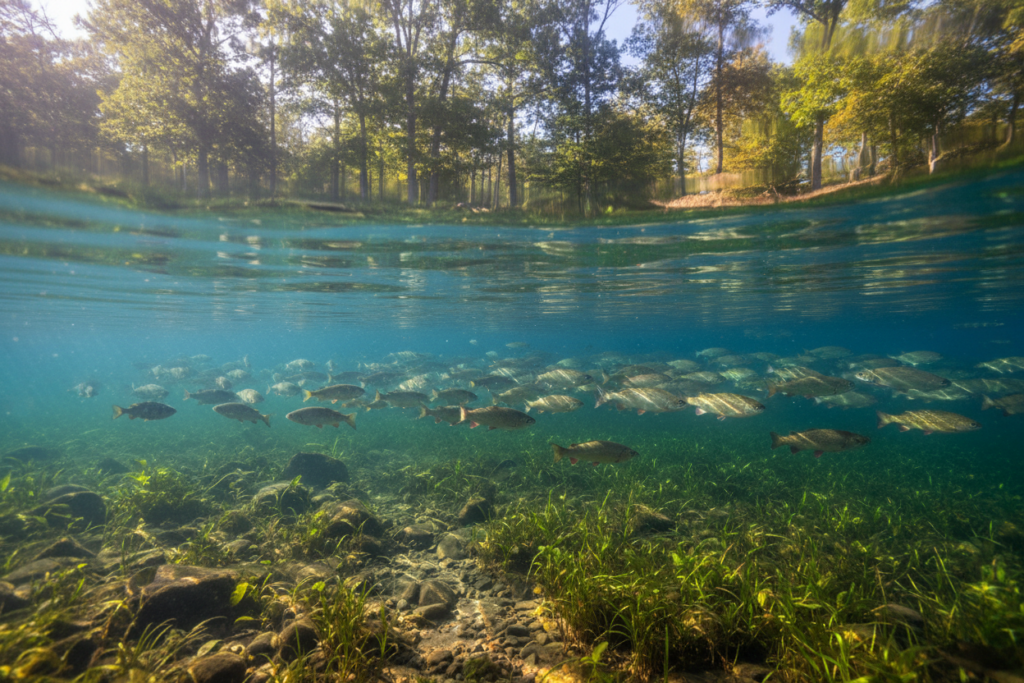
Knowing how fish respond to temperature and cover helps anglers predict where they will feed. Changes in water temperature and oxygen drive daily movement and feeding. Observing shade, depth, and current creates a clear picture of likely habitat.
Water Temperature
Water temperature controls metabolism and activity for most species. As it warms, coldwater fish like trout seek cooler pockets near depth changes or shaded banks.
Warmer water concentrates bait and food sources. Anglers who watch thermoclines and shallow warming zones find fish where feeding is steady.
Oxygen Levels
Oxygen is critical, especially in summer when solubility drops. Low oxygen forces fish to move toward inflows, riffles, or deeper oxygen-rich shelves.
The cutthroat trout, Colorado’s official state fish, needs stable temperature and high oxygen. Monitoring these conditions helps anglers identify target species and the best spots to present offerings.
- Tip: Track temperature shifts and nearby food sources to narrow productive spots.
- Tip: Study habitat features to anticipate where fish species will hold.
Identifying Productive Fishing Areas Through Structure
Rocks, logs, and weedlines create pockets that attract hungry fish. North Delaney Butte Lake illustrates how specific underwater structure supports a healthy trout population.
Anglers should look for submerged logs, rock piles, and weed beds that offer cover for multiple species. Those features hold bait and give predators a place to ambush prey.
Deep-water structure is especially important for lake trout. Good access to ledges and shelves improves the chances of the best fishing during the warm part of the day.
Transition zones where the bottom changes from sand to rock often mark a prime fishing spot. The presence of food near drop-offs and points makes these locations reliable over a season.
- Map underwater features to find consistent spots.
- Scout shorelines and boat-access locations before the day begins.
- Spend time observing where bait collects and predators follow.
Tip: When structure and food intersect, anglers find the most productive results on lakes and in lakes rivers alike.
Analyzing Water Movement and Current Patterns
Reading current lines and eddies reveals where fish choose to save energy and feed. In rivers and streams, subtle shifts in flow mark prime locations for anglers to focus their efforts.
Current breaks form behind boulders, points, and fallen trees. These calmer spots let trout and other fish rest while letting food drift by.
The North Platte River in Colorado is a classic example where understanding flow leads to consistent fishing success. Along the Animas, anglers watch behind large rocks for sheltered water that holds steady concentrations of prey.
Reading surface cues
Watch foam lines, seams, and faster ribbons for the best fishing spot. The Dream Stream section of the South Platte shows how movement controls migration and feeding patterns.
- Observe how food drifts to predict where target species will stage.
- Check water temperature and current speed at different times to adapt tactics.
- Pick locations where the current slows; predators often wait there to ambush.
Timing and careful observation of flow turn a general location into a specific spot that produces results.
Strategies for Locating Fish in Lake Environments
Anglers find more bites when they target edges where shallow and deep water meet. A clear plan saves time and increases the chance of a prime fishing day.
Points and Drop-offs
Points that jut into the lake connect shallow feeding zones to deeper holding water. These transitions concentrate bait and make excellent fishing spots.
Spinney Mountain Reservoir is a good example; many anglers score their best fishing in June by probing points and drop-offs for lake trout and walleyes.
Vegetation Zones
Weedlines and shallow vegetation offer shelter and food for many fish species. During the spring fall shift, fish often move into these zones to feed.
Using a boat or waders gives easy access to remote weedbeds where large bass and trout feed.
Inlets and Outlets
Inlets deliver nutrients and small prey; outlets oxygenate water and draw active predators. Both create high-activity spots where anglers find food-driven opportunities.
- Scout points first for quick results.
- Check vegetation edges at dawn or late day for the best fishing.
- Use simple maps to mark a fishing spot that combines depth change and abundant food.
Navigating River and Stream Dynamics
Small streams often hide big fish where cover, current, and depth come together. Gore Creek, while compact, supports cutthroats, brooks, browns, and rainbow trout in diverse habitat pockets.
On larger systems like the Fryingpan River, anglers can target massive rainbow trout in clear, well-managed waters. Some runs on the Fryingpan produce fish that test advanced fly tactics and persistence.
The Gunnison River through the Black Canyon challenges anglers with steep walls and swift flow. It rewards those who read seams and pick the right spot where food drifts into a natural feeding lane.
- Gore Creek: study small pockets where large trout hide.
- Fryingpan: focus on long runs for rainbow trout.
- Gunnison (Black Canyon): seek seams and sheltered runs for the best fishing spots.
Rivers and streams are living systems. Flow dictates food distribution and where species concentrate. By learning each river’s rhythm, anglers find the single spot that produces consistent results.
Mastering Pond Fishing Techniques
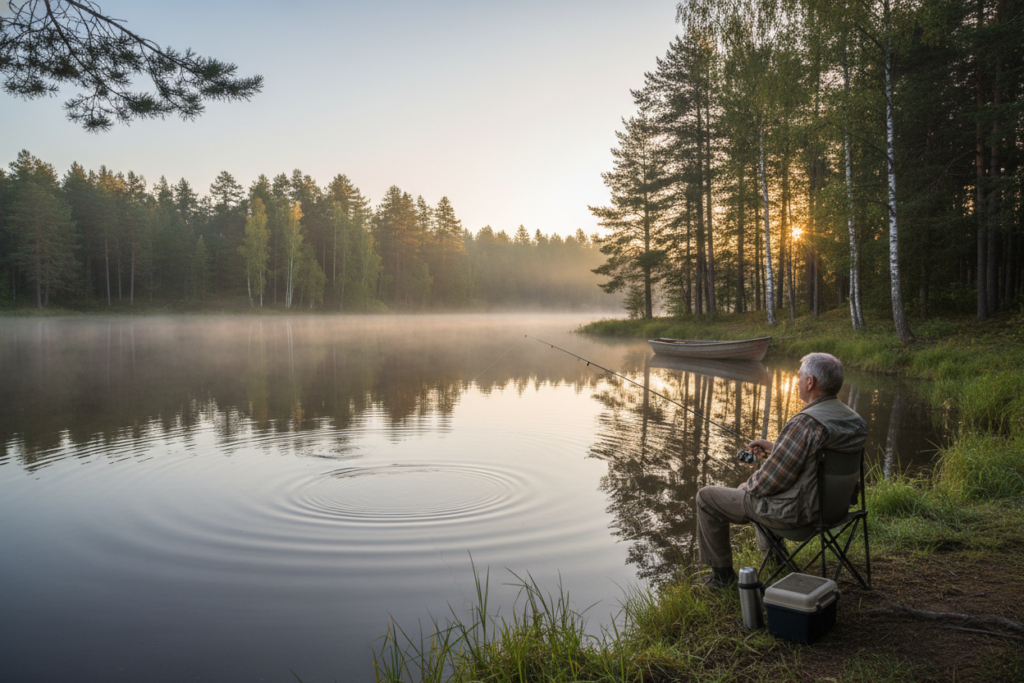
Mastering a pond begins with noticing subtle signs along the bank. Ponds are compact, so a careful scan of shoreline structure yields fast results.
Shoreline Features
Overhanging trees, submerged logs, and thick vegetation create cover where bass and trout hide. Anglers should work the edge methodically to find the specific spot that holds the most fish.
Small ponds offer easy access, making them ideal for a quick trip after work. They also let anglers watch surface cues and bait movement without a boat.
- Start shallow and move along points and drop-offs.
- Use light line and small bait to match confined water conditions.
- Keep noise to a minimum to avoid spooking wary species.
- Systematically test stretches of bank until activity shows the prime fishing location.
Patience and steady observation turn shoreline features into reliable fishing spots. When cover, food, and calm water coincide, anglers find the best fishing on a small lake or pond.
Leveraging Technology for Better Scouting
Digital maps and sonar have reshaped how anglers scout new water before they ever launch. Tools like OnX Maps provide 3D views and custom notes that speed planning for any lake trip.
NOAA bathymetric charts reveal underwater channels, deep shelves, and drop-offs that often hold fish. Modern fish finders and GPS let anglers mark a spot where success happened and return to it precisely.
Scouting from home cuts wasted travel time and helps prioritize likely fishing spots on busy days. Interpreting satellite imagery alongside bathymetry narrows where bait and food will concentrate.
- OnX Maps: virtual 3D planning and access notes for remote scouting.
- NOAA charts: reveal hidden channels and deep structure in large lakes.
- Fish finders/GPS: save time by recording exact marks to revisit.
Consistent use of these tools builds a personal database of quality spots and improves odds of finding fish. For a deeper look at applied tech strategies, see leveraging technology for saltwater success.
Seasonal Considerations for Optimal Success
Seasonal shifts steer fish into predictable zones where anglers can concentrate effort. Water temperature changes drive movement and define the best times to target trout and other species.
In spring, rising flows bring more food and move bait into new corners of a river or lake. Those conditions make spring one of the top times to find active fish near inlets and shallow edges.
During summer, heat pushes most fish into cooler, deeper waters. Anglers should shift tactics and probe drop-offs and shelves to reach the same schools that lived shallower in spring.
In fall, many species feed aggressively in shallows to build reserves. That window often creates the best opportunity for success at specific fishing spots and a single productive spot on a given day.
Timing insect hatches and monitoring local conditions helps anglers be in the right spot at the right time. Those who adapt gear and approach across seasons report the most consistent results.
- Track water and weather changes weekly.
- Plan trips around spring rises and fall feeding windows.
- Adjust depth and presentation as waters warm or cool.
Essential Gear for Diverse Fishing Conditions
Selecting the right gear often determines whether a day on the water succeeds or ends in frustration. In Colorado, waders make many river stretches accessible when shore access is limited.
A versatile range of rods and reels helps anglers shift between trout in streams and walleyes in plains reservoirs. Choosing the correct line keeps the angler connected when a big bass or trout strikes.
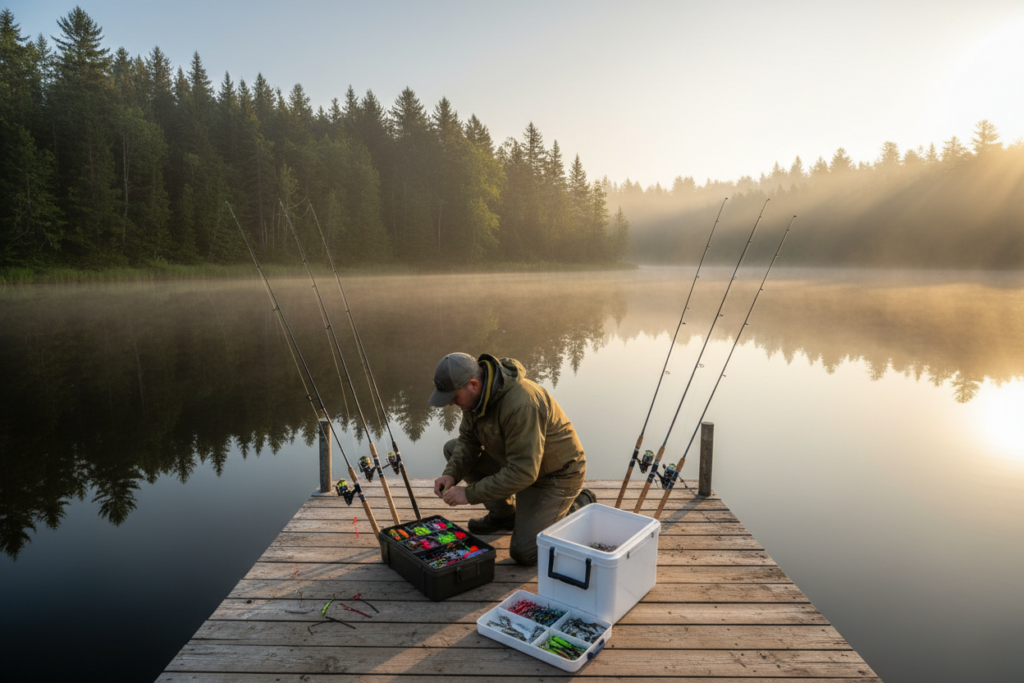
Pack a well-stocked tackle box with varied lures and jigs to match changing conditions. Proper clothing, a padded cushion, and storage systems make long days more comfortable and productive.
- Durable waders: essential for river access and cold-water sections.
- Range of rods/reels: cover light stream work to heavier reservoir casts.
- Quality line and maintenance: the most important link to landing fish.
- Prepared tackle: ensures fast responses to sudden opportunities.
Investing in reliable gear and matching equipment to target fish species improves results across varied spots and conditions. Regular maintenance keeps the kit ready when the best opportunities arise.
Conclusion
Closing a successful day involves noting what worked and when to repeat it on future trips. He or she should mark a clear spot on a map and jot a few quick notes about conditions.
, By focusing on structure and water movement, anglers can find the best fishing spots and the single spot that pays off most often. Use observations on currents and cover to target great fishing at the best times.
Plan around seasonal cues like spring shifts and other key times. Stay adaptable and protect favorite spots to help preserve quality for others. With practice, they will sharpen the eye for reading spots and enjoy the thrill of catching fish.