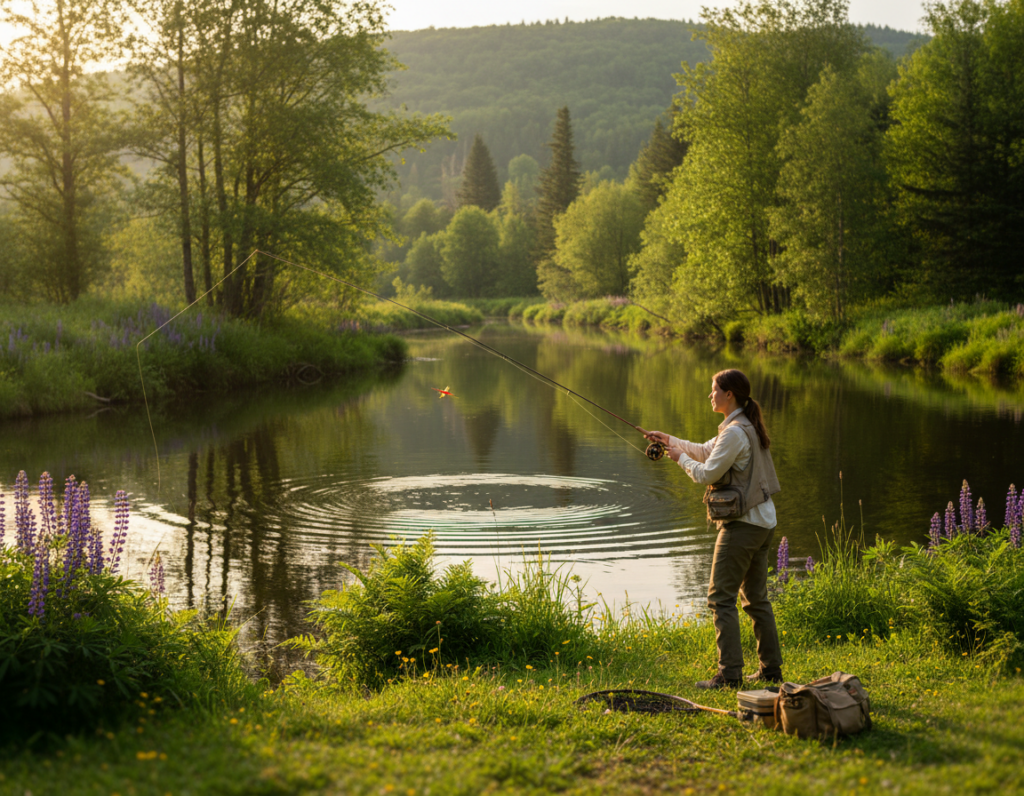
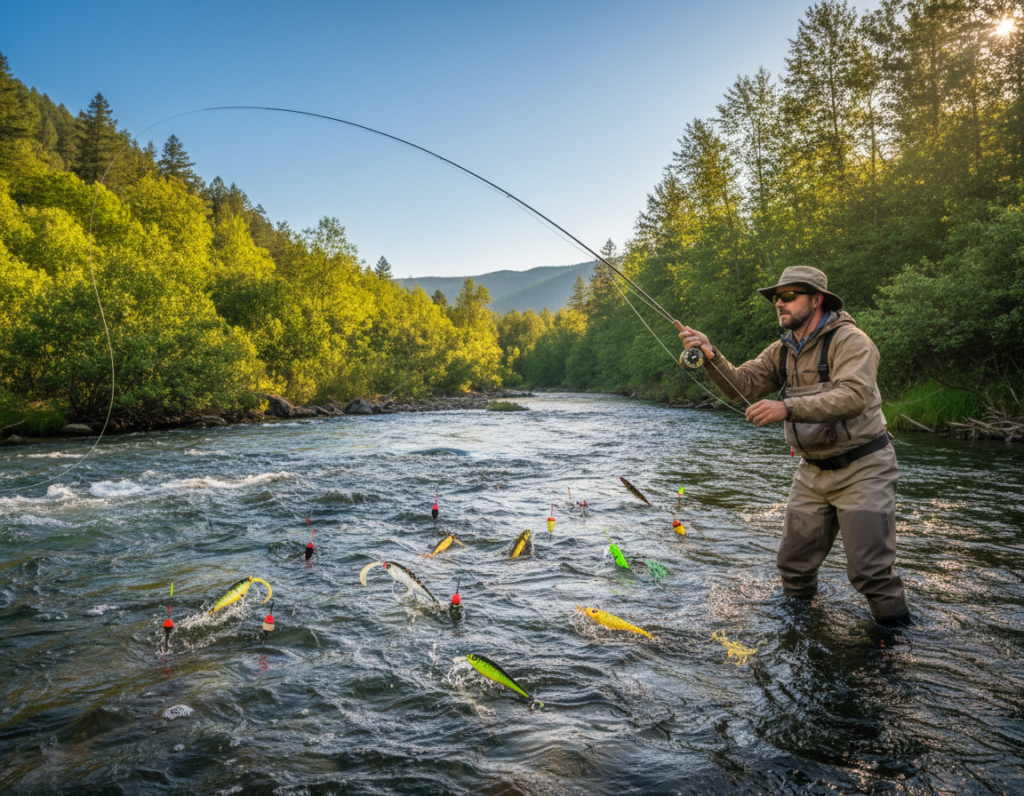
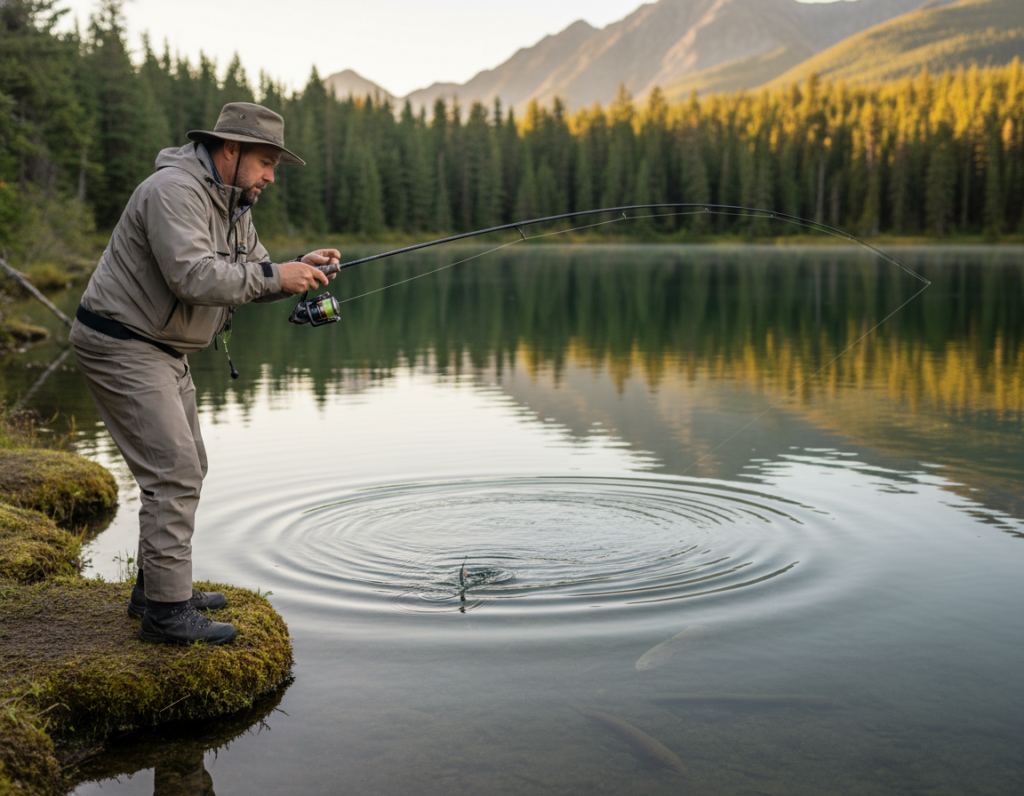
Float fishing strategies have guided anglers for centuries and remain a reliable way to catch fish in calm waters. Rod Toth of Bent Rods Guiding notes that this style dates back hundreds of years and adapts well from rivers to small lakes and ponds.
Understanding the specific type of water you face is the first step. Watch surface activity to find where fish feed and present bait at the right depth.
Beginners find the float an easy visual cue, while experienced anglers refine presentation to target holding fish. With proper prep and a bit of time, anyone in the United States can improve results using these proven methods for slow-moving water.
Essential Gear for Float Fishing Success
Start with dependable equipment to ensure consistent presentation and better hookups. Choose a rod that matches your targeted species and water. Rod Toth recommends a 9′ to 12′ blank for balance and control on small lakes and ponds.
Rod and Reel Selection
Rod action affects casting and the hookset. Graphite feels light but can break if you muscle a big fish. Check warranties—lifetime coverage can save money over time.
Center pin reels give ultra-smooth line feed and are a luxury purchase in the $200–$500 range. Level-wind reels are versatile and budget-friendly for many anglers.
Choosing Quality Line
Match the amount of line on your reel to the species you expect to catch. A top-tier reel and the correct line capacity make precise casting easier when you must place your float near structure.
- Balance every piece of tackle—rod tip, reel handle, and hook—to reduce fatigue.
- Never skimp on the hook; terminal tackle quality matters most at the moment of the strike.
- Avoid oversized setups that rob the experience of fishing in quiet water.
“A properly matched rod and reel lets you present bait where fish are holding.”
Selecting the Right Floats for Quiet Water
Picking the right float will improve bite detection and reduce spooked fish in still water. Sensitivity matters: Drennan style floats are clear plastic and designed to be subtle in shallow areas.
The Drennan Glowtip Antenna size 1 is a top choice for many anglers on ponds and small lakes. It takes three #4 shot to set properly and keeps the tip visible so you spot the smallest movement.
Practical rig tips:
- Use a straight waggler for versatile presentation in still or slow water.
- Attach the float at the bottom end so it folds against the line and cuts down tangles on the cast.
- Balance your rig so the float sits correctly and the bait reaches the intended depth.
For carp, consider the Drennan Crystal Dibber — it can work well when conditions get a bit choppy. Test a few types and one setup at a time to find what suits your rod and the local fish.
Effective Float Fishing Strategies for Small Lakes
In quiet waters, gentle movement and correct depth matter more than heavy gear. Keep your bait at least one foot off the bottom to avoid snags and foul hooking fish. That also protects the lake bed and reduces lost tackle.
Professional guides often advise keeping your line high and off the water. This reduces drag and helps the bait move at a natural speed. Rod Toth emphasizes this approach to improve presentation and hookup rates.
“Keep your line off the surface; it creates a cleaner drift and more takes.”
Practical tips:
- Adjust depth until you start catching fish; patience and observation pay off.
- Use artificial baits like Jensen eggs or rubber worms when fish hold deeper.
- Balance your rig to maintain a steady drift and subtle action that quiet-water fish prefer.
For more detailed setups and recommended gear, review this short guide on float fishing tactics. Always stay ready for subtle bites; a slight dip at the float can be the strike.
Mastering Terminal Tackle and Rigging
Careful kit choice at the business end of your setup makes the difference between a lost bite and a landed catch.
Hook Selection and Sharpness
Use razor‑sharp hooks sized from #2 to 3/0 to match the species and water clarity. Sharp hooks improve hookup rates and reduce missed takes.
Weighting Your Rig
Position small split shot or a piece of pencil lead inside rubber tubing to hold weight steady. This keeps the bait at the intended depth without slipping past the swivel.
Leader Length and Strength
Keep leaders between 10 inches and 2 feet as Rod Toth recommends. A leader that is 2–5 lb lighter than the mainline helps protect the tackle during a fight.
- Match every piece—include the recommended #8 swivel—so no weak link fails.
- Fine‑tune buoyancy so the float sits upright and shows subtle bites.
- Check leaders for nicks after landing a fish; damaged line is a common cause of loss.
“Using top quality, razor‑sharpened hooks is the most important thing you can do to ensure you land the fish you hook.”
Understanding Depth and Water Conditions
A clear method to locate the bottom saves time and stops guesswork on where to set your rig.
To find the bottom, squeeze a large shot onto your hook and cast out. If the float sinks, you are too shallow. When the float sits upright, mark that depth on your rod for future casts.
Adjusting your shotting pattern lets you fish the entire water column. Space small shots evenly so bait falls naturally. A steady flow changes how your rig drifts, so move weight to keep the bait moving naturally with the current.
- Move the bottom shot closer to the hook to increase sensitivity if you miss bites.
- Fish on the drop to watch for takes as bait sinks toward the bottom.
- If fish take near the surface, tighten your shot spacing to help baits sink faster.
Keep the tip of the float visible so you can react quickly when conditions change. Pay attention to the time of day; fish often shift depth with light and temperature. A well‑set rig lets you cover shallow to deep water without constant re‑rigging.
Advanced Surface Fishing Tactics
Top‑water work needs precise casts and quick reactions to secure takes.
Controller floats are built to suspend your line on the skin of the water so the hooklink sits flat and tempting. A heavy controller float helps self‑hook at long range, which matters when you can’t strike fast enough.
Using Controller Floats
For serious distance, a Diaflash 3lb rod allows casts of 100+ yards. That distance puts bait over distant shoals and tight groups of feeding fish.
- Use a 6‑foot hooklink for carp to give room for clean hookholds.
- Fit a baitrunner reel to manage line when a fast surface take occurs.
- When wind is a problem, upsize the controller float to keep the rig steady.
Keep the rod tip high to lift line off the water and reduce drag. In a flow, change your casting angle so the bait drifts naturally over fish. Always watch the tip for sudden bites; surface takes can be explosive and brief.
“Surface methods reward control of drift, distance, and timing.”
Managing Bird Life and Environmental Factors
When birds arrive, a few deliberate steps let you regain control of the swim.
Use bait smartly. Pre‑feed with about 5kg of bait to occupy a large flock. Once birds are full, you get quiet time to work the line and target fish with your rig.
Feed swans at the water’s edge with a small piece of bread to keep them away from your main area. This simple move helps protect your baits and keeps the bottom undisturbed near your hook.
Tools matter. A spomb delivers bait where you want it and can draw birds toward a separate spot. Use depth control so bait sits at the right level while birds feed elsewhere.
- Use enough amount of bait to satisfy birds but avoid overfeeding the carp.
- Watch bird behavior; it often shows where fish are feeding in the water column.
- Treat birds as an environmental challenge—adapt your time, bait, and rig accordingly.
“Managing wildlife is part of successful float fishing in small waters.”
Conclusion
Small changes deliver big results. This article gives a clear, practical overview of how to improve your fishing on ponds and small lakes. Apply the gear tips, depth checks, and wildlife measures to see faster gains.
Practice and patience matter. Use tested rigs and try slight variations in depth or presentation until you find what works. For carp or surface work, the right float setup and timing make a real difference.
Stay curious, keep records of what works, and respect local rules and the environment. These steps will help you catch more fish and enjoy safer, more sustainable days on the bank.