Freshwater outings offer a low-barrier way to start an outdoor hobby. Many anglers find success from small ponds to large destinations like Lake of the Woods, where a 20-inch walleye, a 35-inch northern pike, or a 50-inch muskie highlight what is possible.
Understanding the rhythm of the water and local species is the first step toward building confidence. Short practice sessions help new anglers read currents, shoreline structure, and productive areas in lakes and rivers.
A good guide, such as those at Duck Bay Lodge, can shorten the learning curve. They teach how to match gear and technique to the place, increasing the chance to catch bass, walleye, or pike during a single day on the water.
Small goals and simple gear turn a casual trip into a rewarding experience. With clear tips and a patient guide, anyone can gain the skills needed to enjoy time on the shore and reel in their first fish.
Understanding the Basics of Freshwater Fishing
Freshwater outings invite people to slow down and enjoy time near quiet lakes and streams. This calm setting makes learning to fish approachable for families, small groups, or those who prefer solo time on the water.
The Appeal of Freshwater Fishing
The charm of freshwater is its simplicity. Anglers can enjoy open scenery without needing a big boat or complex gear. Common species like bass, walleye, panfish, and perch respond well to basic techniques and patience.
Setting Realistic Expectations
New participants should focus on easy-to-find targets. Panfish often feed eagerly and teach the rhythms of casting and reeling.
- The best spots are near food and shelter such as weed edges, logs, and drop-offs.
- Every trip to the water is an opportunity to learn, even if the catch is small.
- By managing expectations, anglers enjoy steady progress instead of chasing size alone.
“A calm morning on a lake can teach more about fish behavior than a single big catch.”
Essential Beginner Fishing Strategies for Success
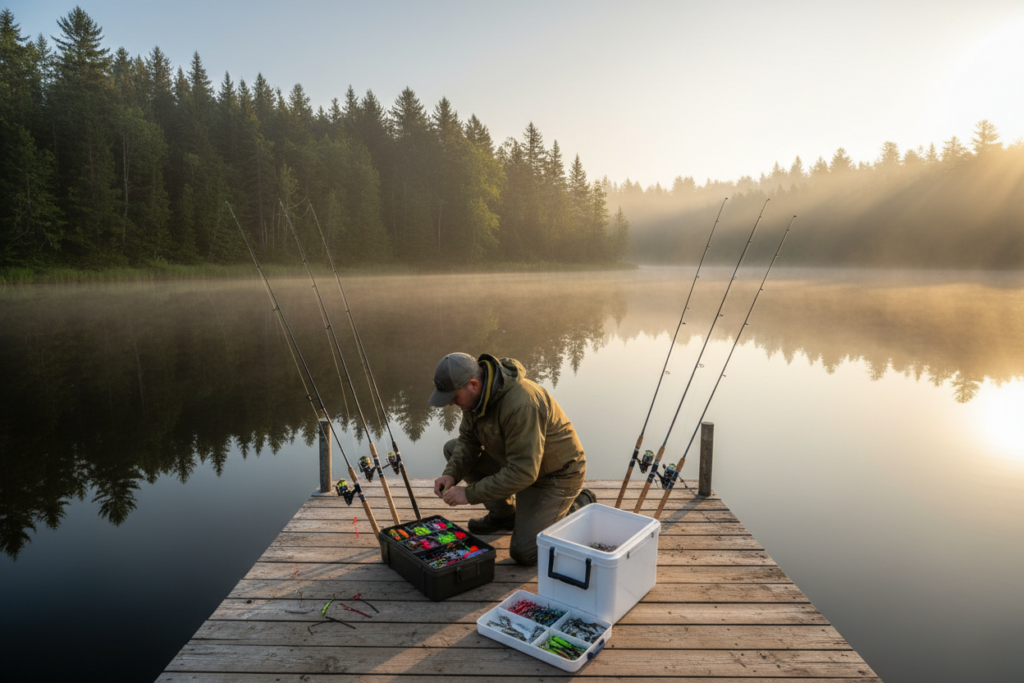
Careful preparation and steady patience form the backbone of a successful outing. He checks weather, packs tackle, and sets simple goals before leaving the dock.
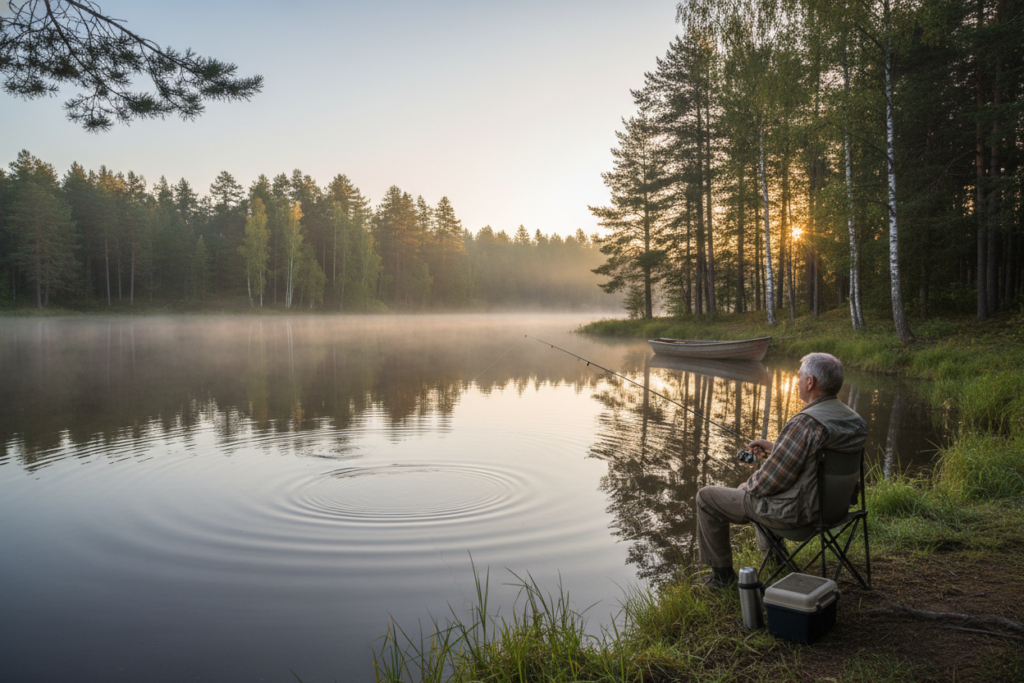
On the water, quiet movement matters. Staying still and watching currents helps him spot where fish gather. Time spent observing often yields more rewards than hurried casting.
Following practical tips from a local guide speeds learning. They show how to read ripples, recognize structure, and make adjustments that lead to a better catch.
- Prepare gear and confirm tackle is ready before each trip.
- Work with a qualified guide to learn how to read the water and locate fish.
- Cultivate patience: waiting for the right moment improves the overall experience.
- Practice basic techniques to build confidence and catch more consistently.
“Preparation and patience turn a casual day on the lake into something truly memorable.”
Over time, a consistent routine creates steady progress. Each outing adds experience and brings anglers closer to dependable results.
Navigating Licensing and Legal Requirements
Before casting a line, anglers should confirm they hold the proper license for the specific lake or area they plan to visit. Every lake has its own rules, and a valid permit keeps time on the water lawful and enjoyable.
Understanding Local Regulations
Local regulations protect fish populations and the balance of aquatic habitats. In Ontario, for example, rules are in place to keep places like Lake of the Woods healthy for future visits.
- Understanding local regulations is mandatory; these rules protect fish and promote sustainable use of the water.
- Check size and bag limits for the species you plan to target before arriving in a new area.
- A trusted guide can often help with licensing paperwork so anglers can focus on the trip.
- Complying with laws helps conserve habitat and keeps lakes productive for all users.
- Failure to follow regulations can result in fines; keep current guidelines from the state or provincial wildlife office.
“Game wardens may ask to see a license and photo ID, so keep documents accessible while on the water.”
Selecting the Ideal Fishing Location
Choosing where to cast affects every aspect of a successful day on the water. Fish often gather along transitions: weed lines, rock shelves, and submerged logs. These features offer shelter and food, so they are natural hotspots for anglers.
When fishing from the shore, aim near edges where shade, weeds, and open water meet. Casting into these seams gives the best chance to find active fish quickly.
Areas where rivers enter lakes are also productive. Current brings food and attracts a variety of species. Accessibility matters too; a clear path to the shore makes a long day more enjoyable.
- Research local spots online or ask at a bait shop to learn where the fish are biting.
- Watch the water for surface rises or baitfish movement to pick the best area to cast your tackle.
- Guides, such as those at Duck Bay Lodge, track seasonal moves across the lake to find the most productive zones.
“Observing the water for signs of activity often reveals the best place to set up.”
For more detailed location tips, see the best spots for fishing guide.
Assembling Your First Tackle Box
Packing the right tools into a compact tackle box sets the stage for a productive day on the water. A small, organized kit keeps focus on casting and landing fish instead of hunting for parts.
Choosing a Rod and Reel
Pick a 6–7 foot medium-action spinning rod with a balanced reel. This combo handles most freshwater species and keeps casting simple.
An eight-pound test monofilament line is a solid choice for versatility and durability.
Selecting Hooks and Weights
Include a variety of hook sizes and styles; Aberdeen hooks work well for panfish and trout.
Use split shot weights and attach them with pliers for safety. Avoid using teeth to pinch weights.
The Importance of Quality Line
Line matters. A reliable eight-pound test resists abrasions and gives a light feel when a fish takes the bait.
- Keep live bait like worms or minnows cool and shaded to stay lively.
- Store extra lures, a line cutter, and pliers for quick hook removals.
- A tidy box with essential gear saves time when targeting different species.
Mastering Casting and Retrieval Techniques
Casting well depends more on timing and rhythm than on raw strength. Letting the rod load on the backswing and releasing smoothly creates a quiet, accurate entry to the water.
With a spinning rod and reel, focus on the timing of the release so the line travels with minimal slack. Practice in a backyard using a practice plug to build the muscle memory for accurate casts near structure.
Accuracy matters more than distance when placing a lure by weed edges or logs. Short, consistent sessions improve aim and reduce snags.
Set the drag by feel. A good rule is about 25% less than the pound test of the line. This setting helps control a large fish without breaking line or losing the catch.
- Practice release timing with a spinning setup to sharpen casts.
- Use stop-and-go retrievals to mimic injured prey and tempt predatory fish.
- Spend regular time practicing; confident anglers handle gear better in varied water conditions.
“Consistent practice makes precision natural and keeps more lures in play near prime structure.”
Reading Water Features and Fish Habitats
Knowing where structure meets current often points directly to active fish. Observing the water first saves time and improves results with a rod or line.
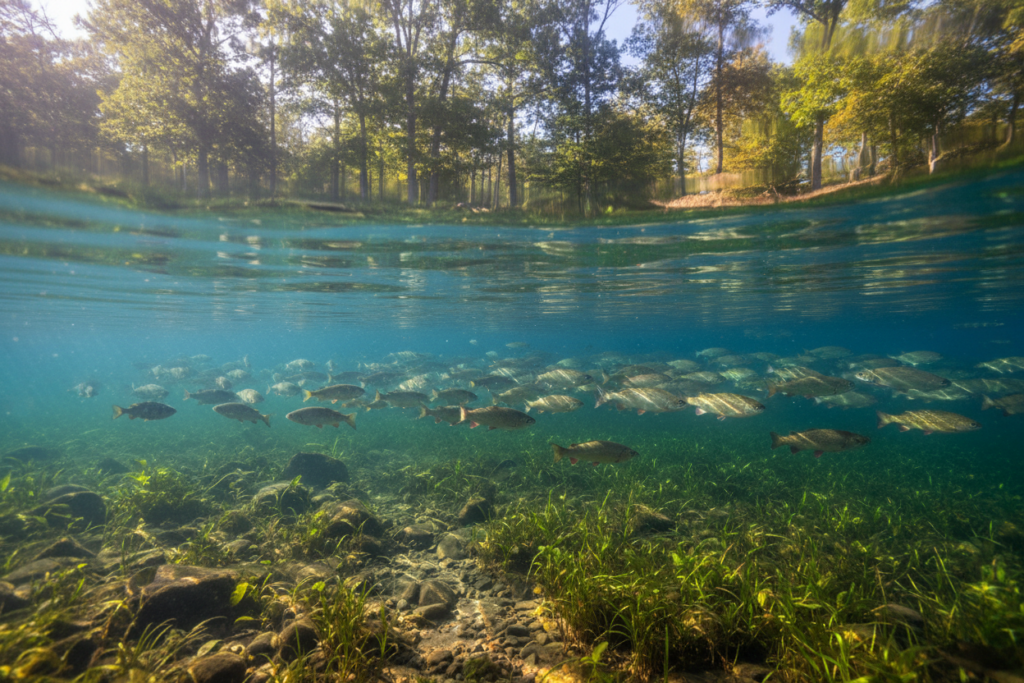
Fish favor cover such as weed lines, rock shelves, and submerged logs. They often move into shallows to feed in the early morning and late evening.
A small wind ripple can help hide the line in clear water. That makes wary fish less likely to spot your bait or lures.
- Look for bridge pilings, rock piles, and points where structure concentrates food and shelter.
- Note light conditions: when the sun is high, fish may move deeper and out of the bright shore area.
- In rivers, target seams where fast water meets slow water; fish rest there and wait for food.
- The windward side of a lake often gathers food and attracts predatory species toward the shore.
“Observing the environment helps anglers choose the best spots and adjust bait or lures for the moment.”
Choosing the Right Bait and Lures
Matching bait to the local forage often turns an ordinary day on the water into a productive one. They should note what prey species are present and mimic that choice with live bait or artificial options.
Walleye often prefer live minnows or leeches, while smallmouth bass respond to spinners and crankbaits that flash and vibrate through the strike zone.
Artificial jigs and soft plastics give versatility. They let anglers imitate a range of prey by changing retrieve speed and depth.
- Start with worms or minnows in the box for reliable results across species.
- Carry a few crankbaits and spinners to attract predators with movement and flash.
- Match hook size to the bait so the target fish takes the bait without hesitation.
Variety in tackle helps them adapt as light, wind, or water clarity change. Experimenting with color and style reveals what local fish prefer in each season.
“Match what the fish eat; it often makes the difference between action and silence.”
For a deeper look at choosing bait and lures, consult this bait and lures guide.
Proper Handling and Release Practices
Quick, calm actions when landing and releasing a fish reduce stress and improve survival. Proper care protects the fish and keeps the water productive for everyone who enjoys time on the lake or shore.
Using a landing net helps minimize the time a fish spends out of the water. A soft-rim net supports the fish and lowers the chance of scale or slime damage.
Net and hook management
Keep the catch in the water while unhooking when possible. If a fish is deeply hooked, cut the line close to the hook instead of forcing removal.
Safe handling techniques
Always wet hands before touching a fish to protect its slime coat. Use needle-nose pliers for quick hook removal and to ease pressure on the fish and gear.
- Treat every species with care; quick releases help populations thrive.
- Follow local regulations on catch-and-release and size limits.
- Minimize handling time and return the fish to the water promptly.
“Handling with care ensures more healthy fish and better days on the water.”
Avoiding Common Beginner Mistakes
Simple mistakes—like the wrong hook or too many lures—turn a calm day on the lake into frustration. Pairing the right bait and hooks with the target species matters for more bites and less lost time.
Simplify gear. Stick to one trusted rod and reel, a few effective lures, and basic live bait such as minnows or worms in the box. An organized tackle box keeps swaps quick and stress low.
Watch the line and set drag before a fight. Using the proper line size avoids break-offs and protects the fish. Keep pliers handy for fast, safe hook removal.
- Use the correct hook size to match bait and target fish.
- Practicing patience yields more than frantic casting; stillness often invites bites.
- Respect local regulations and limits to protect species and the water.
- Keep equipment simple and practice with a spinning setup to build confidence.
“Every trip, caught or not, is practice that improves choice and timing on the water.”
Conclusion
,Each trip to a large lake teaches clear lessons about gear, timing, and care. A few calm outings build confidence with the rod and line and make the whole experience more rewarding.
Lake of the Woods—with its many islands—and Duck Bay Lodge on Hay Island offer an ideal place to practice. They give anglers a safe setting to learn, relax, and enjoy freshwater time on the water.
Keep gear simple, respect the fish and the rules, and plan the next trip with patience. With steady practice and a helpful guide, each cast can lead to a better catch and a deeper love for the sport.