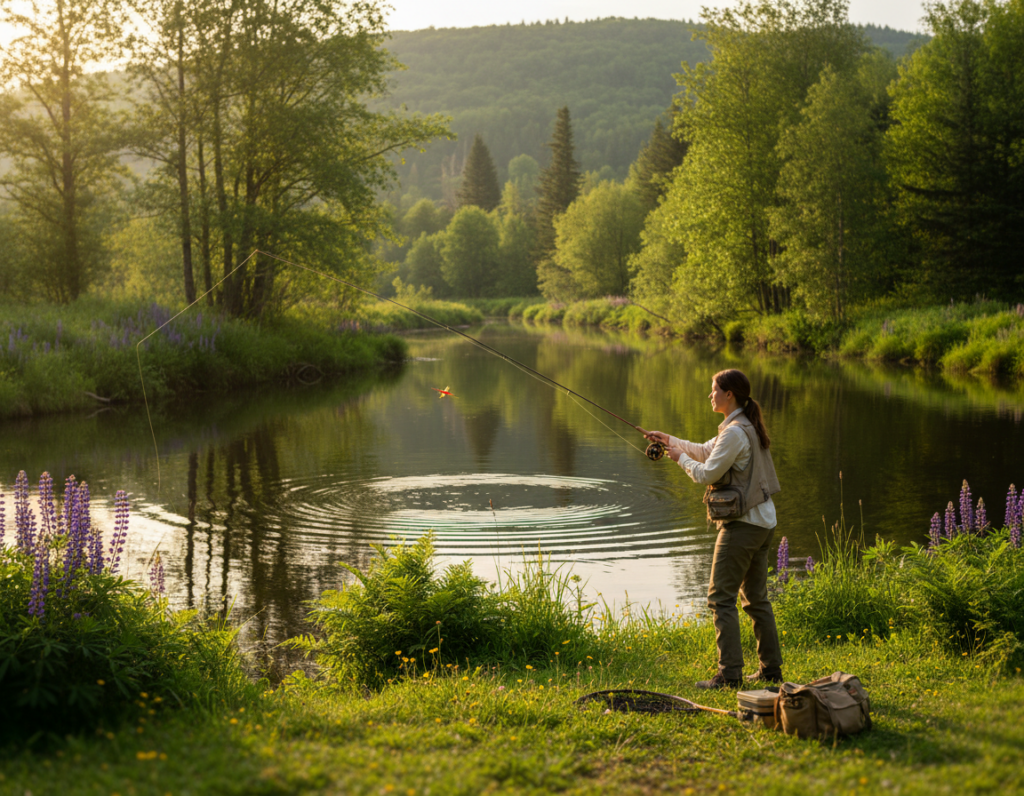
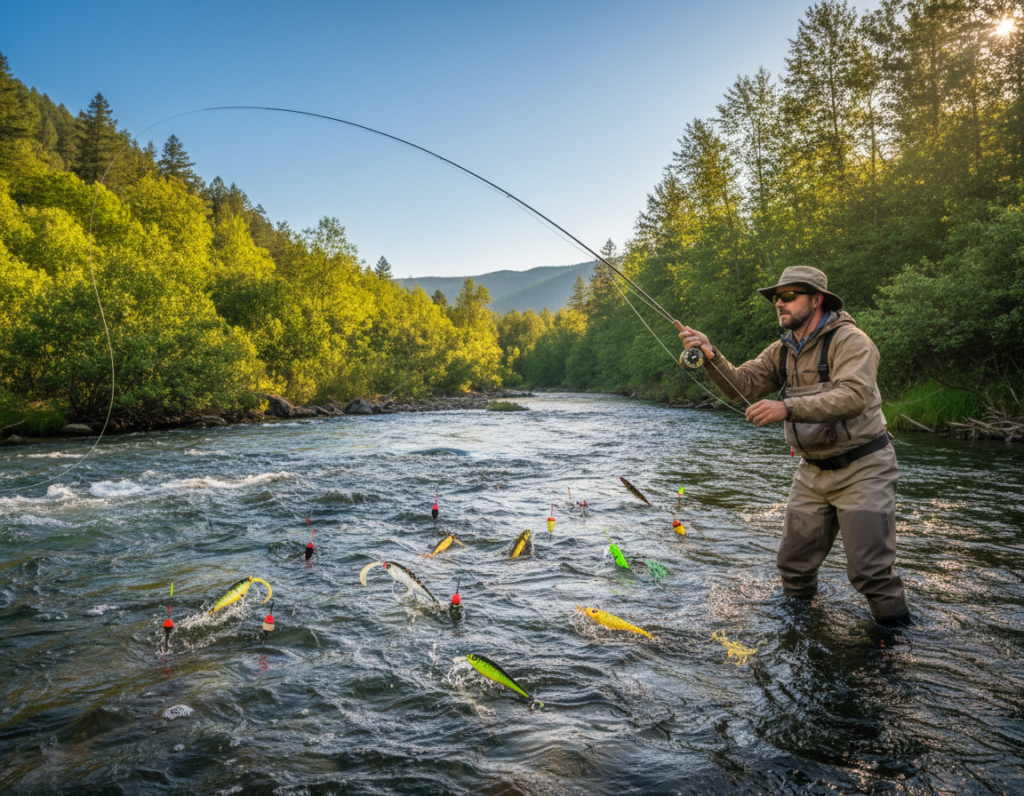
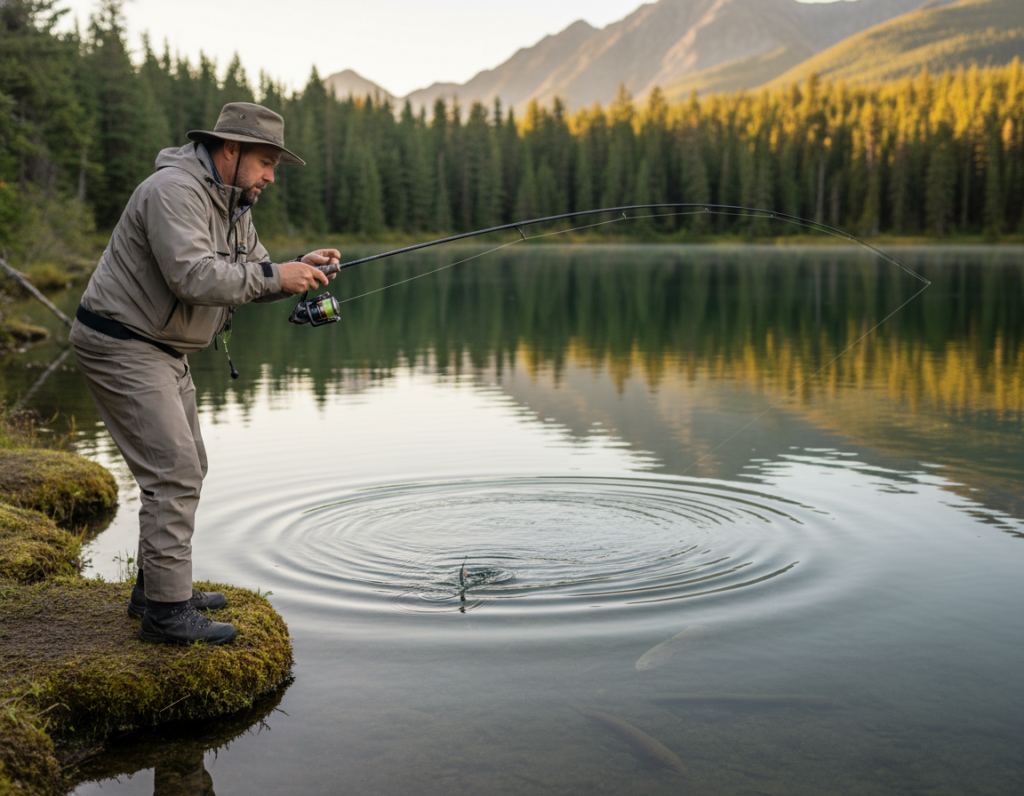
Bank anglers can find big rewards without buying a boat. Subdivision ponds, quarries, golf course water hazards, marinas, and bridge approaches often hold quality fish close to the bank.
Success starts with watching the water. Look for baitfish activity and surface signs; these clues point to predator locations before you cast.
Learn local habits and the structure of each spot. Move quietly, vary your line and bait presentation, and test edges, drop-offs, and current seams for bites.
Whether you chase bass in a quarry or try saltwater spots from land, small adjustments yield more catches. Use proven tips to maximize time on the bank and improve your odds this season.
Essential Shoreline Fishing Methods for Success
Start by learning how tides, wind and visible bait activity shape where fish feed along the shore. Watch for breaking waves, current seams and fleeing bait; these clues point to feeding zones where a big striped bass might take your bait.
Beginners often land surprising catches — a 30 to 40-pound striped bass from the surf is possible on a first outing. Before you cast, check state regulations and secure any required license.
Practical tips matter: wear polarized sunglasses to cut glare and spot fish in shallow water. Scout several access points to compare structure and pick the best spot before committing a full session.
- Keep natural bait like squid or shrimp cold in a cooler to preserve scent and effectiveness.
- While a boat gives range, shore anglers gain detailed knowledge of a single body of water over time.
- Learn proper line setup and carry basic tackle to adapt as conditions change.
For more field-tested saltwater shore tips, see this helpful guide: saltwater shore tips.
Scouting Productive Water Bodies
Walk the bank at low tide to map hidden contours that concentrate fish when the water returns. This quick reconnaissance shows channels, deep holes, and bottom changes you can target later.
Identifying Structure
Look for vegetation, fallen trees, and docks that give cover for bait and game. Rock jetties attract crustaceans and small fish, which in turn draw larger predators.
Locating Deep Holes
During low tide you can spot pits and ledges that stay deep as the tide rises. Mark these zones mentally or with a GPS pin before you return to cast.
- Scan backwater areas for flounder and spotted trout in inshore waters.
- Vary your line depth on casts to find the feeding level where most fish are active.
- Create a simple mental layout of the shore so you focus on the most productive areas.
Tip: A short scouting walk saves time and helps you choose the right bait and tackle for the day.
Stealth Tactics for Bank Anglers
A low profile and careful movement on the bank often mean the difference between a hookup and a spooked cast.
Because many shore spots lack cover, your shadow or silhouette will warn nearby fish before you cast. Stand beside a tree or clump of grass to break your outline and keep your shadow off the water.
Remain slow and deliberate. Move with short, quiet steps. Drop your body and keep your rod low when you approach the edge.
“Stealth is just as important for the bank angler as it is for someone on a boat.”
- Keep noise down and avoid sudden movements that scare bait and game.
- Cast from shaded angles and keep your line low to reduce visible disturbance.
- In bright sun, watch your shadow—fish often flee from overhead shapes.
By staying low, quiet, and mindful of light, you increase your odds of a strike from wary fish. These small habits help whether you target bass in fresh water or try saltwater fishing from the bank.
Mastering Casting Techniques
Maximizing time in the strike zone starts with how and where you cast, not how far. Accurate casts keep your presentation near cover and along drop-offs where game gathers. Small adjustments to angle and force make the difference between a pass and a strike.
Parallel Casting Strategies
Rather than sending the bait straight out to open water, cast parallel to the bank. Most game fish and panfish hug the edge or sit on the first major drop-off. A parallel cast keeps your bait in front of them longer.
Practice accuracy: place your bait next to docks, laydowns, and rock seams. Quartering casts away from the bank help you cover more water while keeping the presentation in the productive zone.
- Cast along structure to keep the bait in the strike zone.
- Use short, controlled feeds of line so the bait stays natural.
- If you fish from a boat, you can cover ground; from the shore, precision wins.
“A well-placed cast is often worth more than a long, uncontrolled lob.”
Focus on your line control and timing. With steady practice your hookups will climb and you will spot how fish react to different baits and angles while bank or shore fishing.
Selecting the Right Gear and Tackle
Choosing the right kit lets you spend more time catching fish and less time wrestling gear. Pick gear that matches the species, place, and expected conditions. Keep setups simple so you can adapt quickly when water or wind changes.
Rod and Reel Selection
Match rod length to target species. For smaller species like spotted seatrout, use a 7–9 foot medium‑heavy rod for sensitivity and power. For large striped bass, choose a 12–15 foot surf rod paired with a heavy saltwater spinning reel.
Use 20–25 lb test line on heavy‑duty reels when you expect big runs off the bottom or in strong current.
Essential Terminal Tackle
Keep terminal gear functional and minimal. Carry 7/0–8/0 circle hooks for big bass, pyramid sinkers for strong current, and a selection of lures and soft bait options.
Packing Light for Mobility
Bank anglers benefit from a single multi‑purpose rod/reel combo and a small backpack. Add PVC sand spikes to secure your rod on the beach while you prep bait or handle a catch.
- Organize a compact tackle box with hooks, sinkers, and a spare reel spool.
- Choose one versatile rod and one quality reel to cover most areas.
- Bring line and lures matched to target species to avoid gear swaps.
Understanding Tidal and Weather Patterns
Reading tide cycles and daily weather changes helps you put bait where fish feed most. Rising and falling tides move bait and concentrate game near bars, rips, and drop-offs.
Surf and shore anglers get the best results during tide change, especially in the early morning or late afternoon. These times combine active water with lower light.
Winter anglers: days before a cold front often produce a heavy bite. Monitor forecasts and plan trips on favorable days.
- Check tide charts before you go; moving water largely controls when fish feed.
- Use the right rig — fishfinder or bottom — and present bait at the depth fish are holding.
- Watch wind and surf conditions during the day; changes can switch the bite on or off.
“Timing and conditions matter more than fancy gear — put your rod in the right place at the right time.”
For a deeper primer on reading tides for saltwater fishing, see how to read tides.
Choosing Effective Natural and Artificial Baits
Start every session by testing one live bait and one lure to see what the water prefers. A quick trial reveals whether game wants natural scent or a flashy presentation.
Matching the Hatch
Matching the hatch means using baits that look and move like the prey in that spot. In small ponds, downsized plastics work best: try 4–5 inch soft worms and lighter spinnerbaits.
For saltwater, carry shrimp, mullet, and squid as reliable natural options. Gold metal spoons and white bucktail jigs serve as versatile artificial lures when live bait is scarce.
- Downsize plastics in small waters—4–5 inches increases hookups.
- Use 1/4 or 1/8 ounce spinnerbaits to match weight and action.
- Experiment daily with live bait and artificial baits to learn what the fish want.
“Match the bait to the prey and the bite will often follow.”
Tip: Vary line length and rig weight to keep the presentation natural near structure and surface activity.
Safety Protocols for Shoreline Anglers
Always prioritize personal safety on the bank before you worry about the next cast. A short safety routine protects you, the fish, and your gear.
Wear an elastic wading belt when using chest waders to stop water from flowing inside if you fall. Use breathable saltwater waders when the water is 65°F or warmer.
- Carry essential tools: pliers, scissors, and a hook remover make handling fish and removing hooks safer.
- Protect your gear and line: use heavier leader near rocky areas or pier pilings to avoid breaks on structure.
- Plan for emergencies: in deep-sea or remote areas bring navigation charts, a GPS, and a VHF radio.
Dress for conditions — neoprene gloves and a waterproof hat keep you safe in cold weather. Use a net or gaff for catch-and-release to reduce harm to the fish and speed up the process.
“A quick safety check before you fish saves time and keeps you on the water longer.”
Conclusion
Ultimately, smart scouting and steady line control unlock more success from the bank. Mastering shore fishing lets anglers enjoy fishing without a boat and find chances close to home.
Focus on stealth, match the hatch, and keep gear tuned. These habits help you catch more fish and spend less time guessing.
Prioritize safety: maintain tackle, check conditions, and carry basic tools so your time on the water stays productive and safe for years.
Whether you chase bass in a pond or try saltwater and saltwater fishing from the surf, the fundamentals remain the same. Use this guide as a checklist and get out there to land more fish.