Practical tips help anglers make the most of every outing. This guide shows how simple choices in gear and timing boost comfort and catch rates.
Good equipment selection means each rod, reel, and lure serves a clear purpose. Proper setup reduces wasted time and increases the odds of landing more fish.
Mastering casting from the bank takes patience. With focused practice, anglers place lures where fish feed and hold, improving overall success.
Whether a novice or a pro, understanding location and the best time of day makes trips more rewarding. High-quality lures and reliable gear form the foundation of any productive session.
This introduction sets the stage for practical advice that will turn the next outing into a comfortable, more successful experience on the water.
The Appeal of Shore Fishing
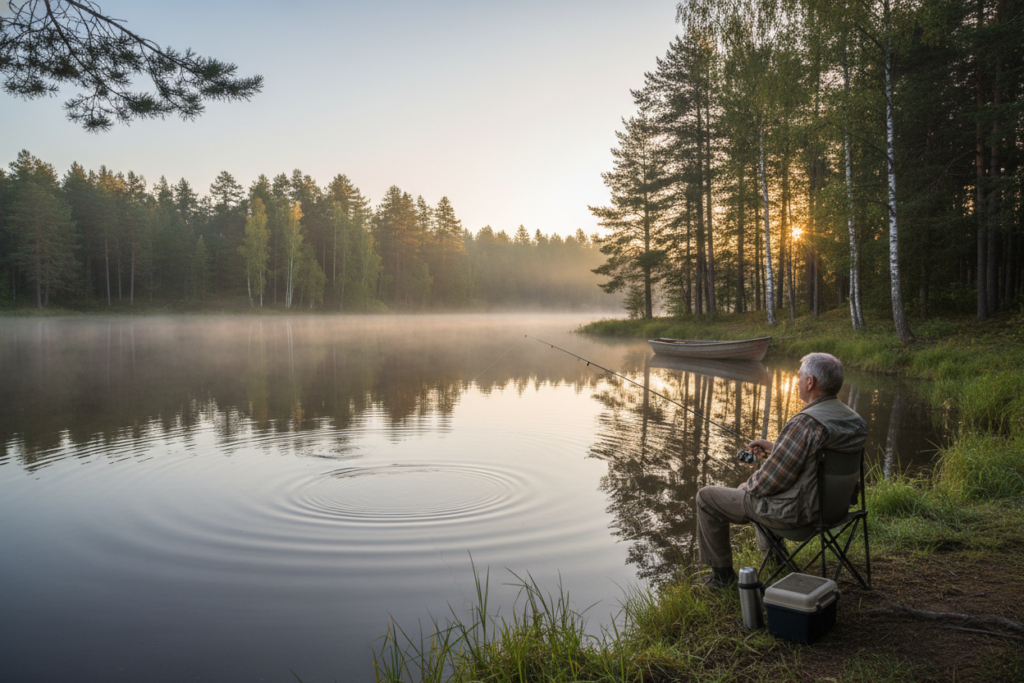
Bank-based angling offers an immediate, low-cost way to connect with lakes, rivers, and coasts. It removes the expense and upkeep of owning a motorized boat, making the sport more accessible to many people.
Many anglers appreciate that fishing from land gives direct access to diverse spots. Quiet pockets in a lake, riffles in rivers, and coastal edges all yield different opportunities to catch fish.
The main advantage is freedom. One can target bass or trout without specialized watercraft. Anglers also discover hidden gems that larger boats cannot reach.
- Low cost and easy access for beginners.
- Stable platform on the bank for casting and landing fish.
- Chance to explore varied habitats and seasonal hotspots.
Choosing this way to pursue the sport ensures anyone can enjoy time outdoors. That accessibility explains why many prefer the traditional method of fishing shore and bank casting.
Essential Shore Fishing Practices for Success
Reading water and animal behavior is the foundation of consistent success from the bank. A short study of movement, depth, and cover helps anglers pick where to cast and what to present.
Understanding Species Habits
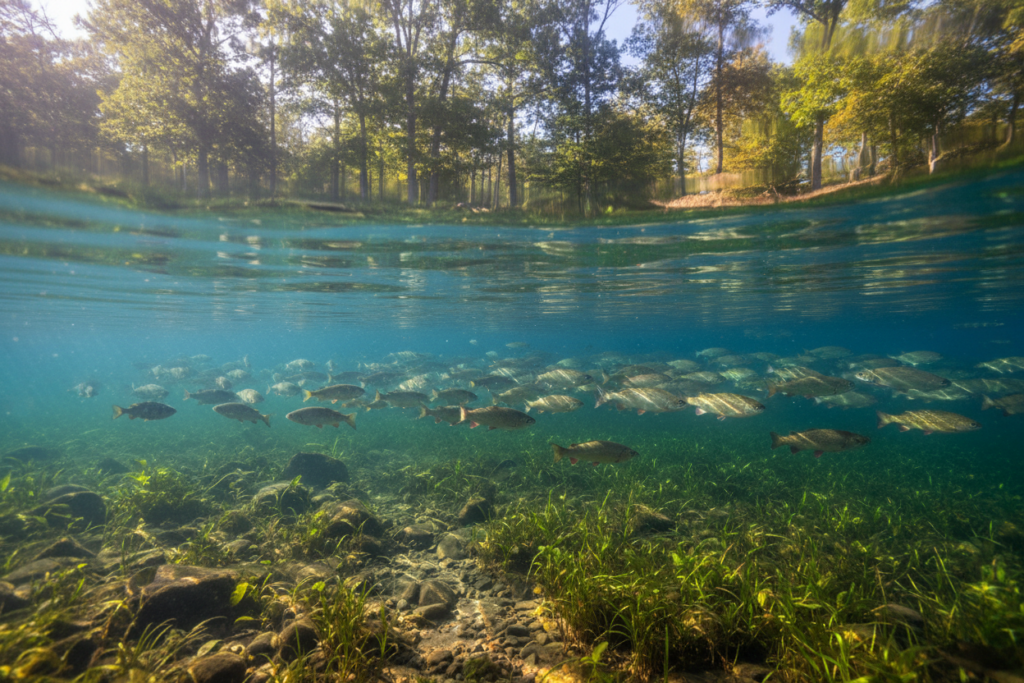
Different fish show distinct patterns through the year. Some move to deeper water in cold months while others feed in shallow zones during warm spells.
Learn local areas where forage gathers. That often means the best bait and the most productive bank fishing spots.
Timing Your Outings
Time of day matters. Early morning and late evening usually bring the most activity, especially for wary fish in pressured waters.
Keep a tight line to feel subtle takes. A firm connection lets an angler detect light bites in clear, shallow water.
- Study seasons: adjust depth and presentation as water and weather change.
- Watch the bank: surface disturbances reveal feeding zones and the best area to focus on.
- Match bait: use lures or natural bait that imitate local prey for consistent results.
Scouting the Best Locations
Knowing where water changes and concentrates life is the quickest way to find productive spots. A quick walk along the bank and a look from the top often reveal the features that hold the most fish.
Identifying Productive Structure
Search for submerged rocks, fallen trees, and vegetation edges. These structures give cover and ambush points for bass and other species.
Look for depth breaks — a drop from 1 to 3 meters often holds walleye and similar game fish. Casting lures near these transitions beats blind casts over open water.
The Value of Inflows
Where streams or drains enter a lake or river, baitfish gather. That current brings oxygen and nutrients, which in turn draw predators.
Target inflow edges during the warm part of the day to find active feeding zones and better bites.
Man-Made Fishing Spots
Bridges, docks, and piers are reliable. They create shade and structure, making them prime areas for bank fishing when boat traffic is low.
Map potential spots before the trip. A short scouting plan saves time and keeps casting focused on the most promising shallow water zones.
Selecting the Right Gear
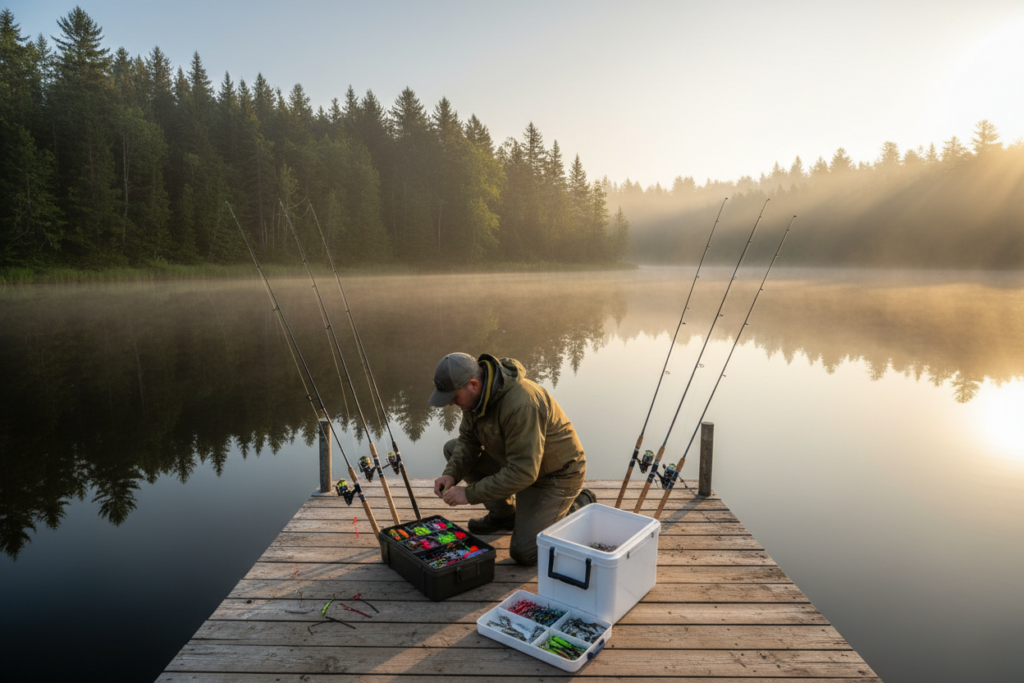
Choosing the right tackle makes every bank session more productive and far less frustrating. Anglers should start with a versatile rod and reel combo that balances sensitivity and power. A medium-action rod paired with a reliable spinning reel handles light lures and larger live bait alike.
Use the proper lure weights: 1/4 or 1/8 ounce spinnerbaits work well for most bank casts and add enticing action in current or wind. Smaller spinnerbaits help when fish are wary and water is clear.
When targeting bass, downsizing helps. 4-5 inch worms often trigger more strikes than bulky plastics. Live bait—kept fresh in a ventilated container—can be a game-changer on pressured waters.
“A small, well-chosen kit beats a heavy pack of unused tackle every time.”
Minimal, essential kit:
- One versatile rod and reel for mobility.
- A selection of quality lures and a few live bait options.
- Pliers for safe hook removal and quick gear fixes.
Investing in dependable rods and reels saves time and prevents lost catches. For quick setup ideas and compact rigs, see recommended tackle setups that fit a mobile angler’s needs.
Mastering Casting Techniques
Precise casts unlock tight targets where larger, clumsy pitches simply won’t reach.
Good casting skills expand where an angler can place a lure from the bank. Small adjustments in wrist and stance improve accuracy and save time on the water.
Sidearm Casting for Tight Spaces
Sidearm casts are ideal when overhanging trees or brush block an overhead motion. The low arc keeps the line under branches and moves the bait into narrow pockets.
Key tips:
- Turn the hips and lead with the elbow for a smooth release.
- Keep the rod tip low to reduce line slap and improve placement.
- Practice short, controlled repeats to build repeatable accuracy.
The Pendulum Cast
The pendulum cast uses a roughly 30 cm swing before release. This motion lets the rod build momentum and drop a lure into tight gaps near lily pads or dock pilings.
Many anglers cast parallel to the bank to keep bait in the strike zone longer. That approach often triggers bites from bass and other fish.
Quick checklist:
- Check lines and knots after casting near rocks or structure.
- Vary release points to change range and angle.
- Refine accuracy to increase lure time in productive water.
The Importance of Stealth and Observation
Watching water closely gives clues no map or chart can provide. A slow approach helps an angler spot surface movement and subtle ripples that show where fish feed.
Before the first cast, they should scan for bait activity and pockets of disturbed water. Quiet steps and a low profile reduce chances of spooking nearby fish.
- Choose your area: pause and pick the best spot where structure and surface activity overlap.
- Cast parallel: a parallel retrieve keeps a lure in the strike zone while limiting shadow and splash.
- Stay patient: waiting a minute or two after locating a feed can lead to better, cleaner hookups.
Mindful anglers watch their shadow and keep movements deliberate. By combining careful observation with quiet bank behavior, they increase the odds of a productive session without disturbing the water.
Utilizing Float Fishing Methods
Float setups give fine control over depth and movement in varied water. They let an angler hold a bait in a narrow band where fish feed without constant adjustment.
Depth Control and Rigging
Set the float so the bait rides about 15–30 cm above the bottom. That position often sits in the feeding zone near rocks and submerged structure.
Use a slip float rig for deeper spots. It makes casting easier and lets anglers change depth quickly from shore without retying.
- Attach a light weight to stabilize the float and keep the live bait lively.
- Check the line for twists and tangles before every cast to keep presentation natural.
- Be patient: wait for steady float movement before setting the hook to avoid missed takes.
Live bait like worms or small leeches outperforms many lures when kept at the correct depth. For trout and similar species, this method improves hookups and keeps time on productive water.
Adapting to Wind and Weather Conditions
A change in wind direction often reshapes the water and reveals unexpected feeding lanes. Anglers who read that movement find where bait and fish collect along the bank.
Wind-driven edges push surface life toward the windward shore, creating rich zones to target. Casting into the wind can be harder, but those spots often hold more fish because fewer casual anglers bother them.
Weather also affects depth and mood. Sharp temperature shifts or falling barometric pressure make fish move through the water column. Monitoring forecasts helps anglers pick depth and presentation quickly.
“The most uncomfortable conditions often bring the best results when an angler is prepared.”
- Adjust lures and line to match wind and current.
- Dress for changing weather so you can stay on the shore longer.
- Use heavier weights or wind knots to improve casting into gusts.
- Expect aggressive feeding when wind stirs the surface; be ready to strike.
Being adaptable keeps a session productive. With the right gear and mindset, challenging conditions often lead to the best fishing.
Night Fishing Strategies
Dark hours create an edge advantage as fish push into nearshore structure. Many predators move into shallow water after sunset, so the first benefit is timing: anglers reach productive spots when others head home.
Safety and visibility come first. It takes about 20 minutes for eyes to adjust to night, so bring a red light to preserve night vision. Wear sturdy shoes with good grip to avoid slips on rocks and uneven bank areas.
Organize tackle and gear before dark. Simple rigs—like a jig and minnow or a slip float—reduce fumbling and lost time when setting a hook. Keep pliers and a light within easy reach.
Stay aware of surroundings and secure your catch, especially in areas with wildlife. Use steady lines and moderate depth to present live bait or lures near structure where bass and other species hunt.
“Preparation for low light turns potential hazards into a clear advantage.”
- Plan a safe path to your spot before sunset.
- Keep a backup light and spare batteries.
- Limit gear to essentials for quick casting and retrieval.
Maintaining Proper Bank Etiquette
Respecting the bank and other anglers preserves great spots year after year. Good behavior keeps access open and protects habitat so all can enjoy the area.
Always leave at least 30 meters between other anglers on rivers. This distance reduces tangled lines and gives each angler room to cast rods and manage tackle without interference.
Discarded line is dangerous. Monofilament can take up to 600 years to decompose and can seriously harm wildlife. Pack out all lines, leaders, and extras.
Ask permission before crossing private land to reach a spot. Courtesy builds positive relationships and preserves public access for the long term.
Avoid blocking boat launches or occupying excessive space on public docks. These shared areas must remain usable for boats and other users.
- Keep noise low; many anglers prefer quiet to watch for subtle line movement.
- Clean up bait containers, hook packages, and any trash before leaving.
- Be mindful when handling fish: use barbless hooks or proper tools to reduce harm.
“Good manners at the water’s edge are the best way to guarantee continued access to favorite spots.”
For more on proper technique and courteous behavior on the bank, see this concise bank fishing guide.
Conclusion
Each trip offers a chance to refine technique and learn local water behavior. With careful planning and calm observation, anglers make the most of their time on the bank.
Shore fishing is a rewarding and accessible way to enjoy the outdoors while honing skills and pursuing the sport. By applying the guidance in this guide, an angler can boost the odds of consistent success.
Every outing is a learning moment. Stay observant, adapt to change, and build confidence with each cast. These tips aim to improve the overall experience and encourage exploration of new spots.
Always place safety and etiquette first to keep access open and the activity enjoyable for everyone. Happy casting and wise stewardship of favorite waters.