Volunteers who join the Great Canadian Shoreline Cleanup gain vital support from the Vancouver Aquarium Marine Science Centre. This program offers clear information for people who work along the coast and helps them plan tasks around tides and weather.
Working near the water on uneven ground calls for simple, practical steps. Teams are urged to watch changing conditions, check tide charts, and use firm footwear. These moves cut risk and help people focus on removing litter that harms aquatic life.
Understanding the ocean’s hazards is a core part of every cleanup. Proper briefings ensure each participant knows how to move on slopes, manage low visibility, and stay aware of sudden changes. This planning keeps volunteers confident and effective when protecting coastlines.
Essential Shoreline Safety Practices for Outdoor Exploration
Newly reshaped sandbars and shifting terrain mean visitors should approach each visit with fresh awareness. The recent sand replenishment at Solana Beach created the widest beach in North County and altered the shore. This change can hide new hazards near the water, so teams should scout their chosen area and set a clear exit plan before activities begin.
Required Gear and Protective Supplies
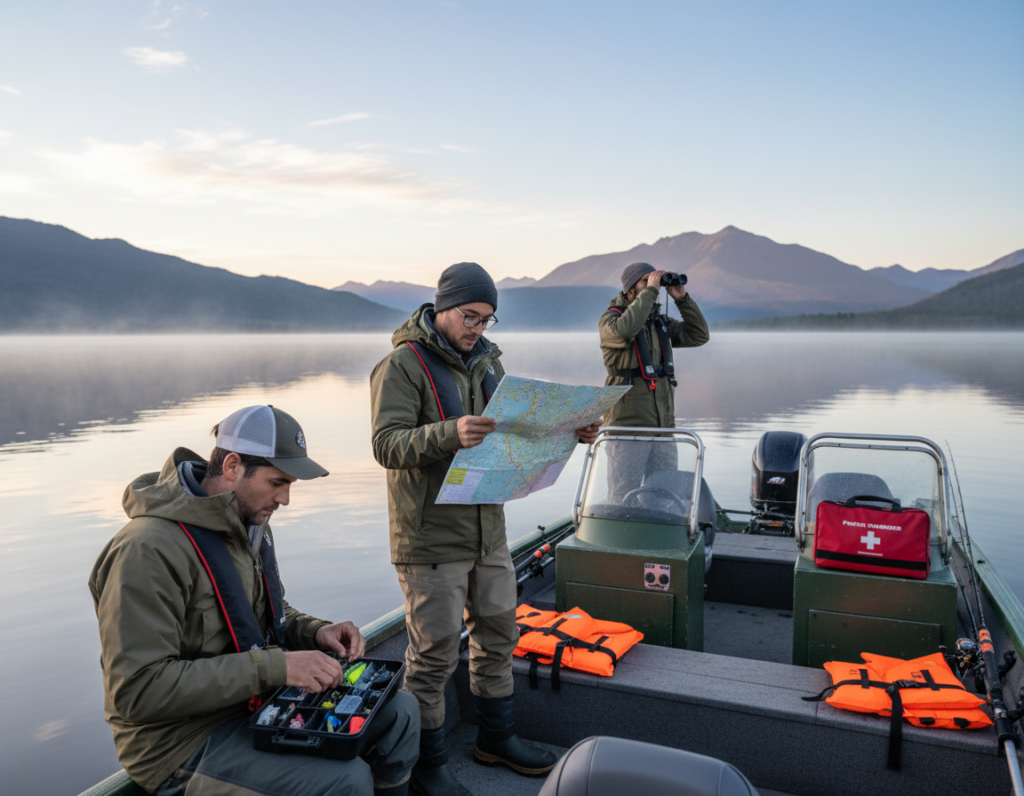
Sturdy footwear and layered clothing protect feet and legs from sharp objects and cold water. A basic first-aid kit and a whistle help in low-visibility conditions.
Communication and Emergency Planning
Consult local lifeguards to identify safe areas for swimming and recreation. If there are questions about a location, they can offer quick guidance.
- The Marine Safety Department can provide up-to-date information; contact them at (858) 720-4444.
- Spring often brings large waves that can break onto the shore. Allow enough time to survey surf and currents.
- Establish a clear communication plan for spots with limited cell service and agree on a meet-up point.
For more detailed guidance on water behavior and individual gear choices, see the snorkeling safety tips resource.
Navigating Uneven Terrain and Unstable Ground
Moving along unstable coastal terrain tests balance and calls for simple gear choices. Volunteers should gather basic information about tides and local access before they go. A clear plan reduces surprises near the water.
Techniques for Slippery and Steep Surfaces
On muddy banks or loose rock, move slowly and test each step. Use a walking stick for added stability during the spring thaw. Scout the area in daylight to spot hidden holes and weak sections of the shore.
- Keep three points of contact on steep slopes to limit falls.
- Know personal limits; the terrain can be tiring and lead to exhaustion.
- Keep a first-aid kit in the vehicle for minor cuts or sprains.
“Share your route and expected return time with a friend; it adds a valuable layer of protection.”
Be aware that the ocean can change fast. Watch for rising water and choose firm ground routes through tricky areas.
Managing Low Visibility and Environmental Hazards
Fog, sudden rain, or dusk can quickly reduce visibility and make coastal travel risky. Volunteers should pause and reassess the route when light or weather changes obscure landmarks.
When the water is cold, avoid wading into the ocean. Cold immersion can cause shock and rapid hypothermia. If large waves or rip currents appear, move well back from the shore and alert local authorities if anyone is in danger.
Carry a flashlight and a whistle for low-visibility exits after sunset. These tools help rescuers locate a person faster and improve communication across wet, noisy areas.
Scan for debris and never pick up sharp objects with bare hands. Wear gloves and use a grabber to remove broken glass, metal, or fishing gear. Maintain situational awareness to spot loose rocks or unstable ground before stepping into an area.
“Always check weather and tide forecasts before heading out; sudden changes turn calm trips into hazardous ones.”
- Watch for increased wildlife activity in spring and give animals space.
- If visibility worsens, regroup and head to a pre-planned meeting point.
- Report dangerous waves or hazards to local beach services immediately.
Conclusion
Taking a moment to confirm plans and share key information ensures each visit helps people and the environment. This small step makes time on the coast more productive and reduces avoidable incidents.
For help or to report concerns, contact the Shoreline Cleanup staff at 1-877-427-2422. Organizations such as WWF-Canada assist in restoring coastal areas, and volunteer cooperation supports that work.
Keep emergency contact details handy when near the ocean or in wet areas. If anyone has lingering questions about local rules or protocols, reach out to conservation authorities for clear guidance.