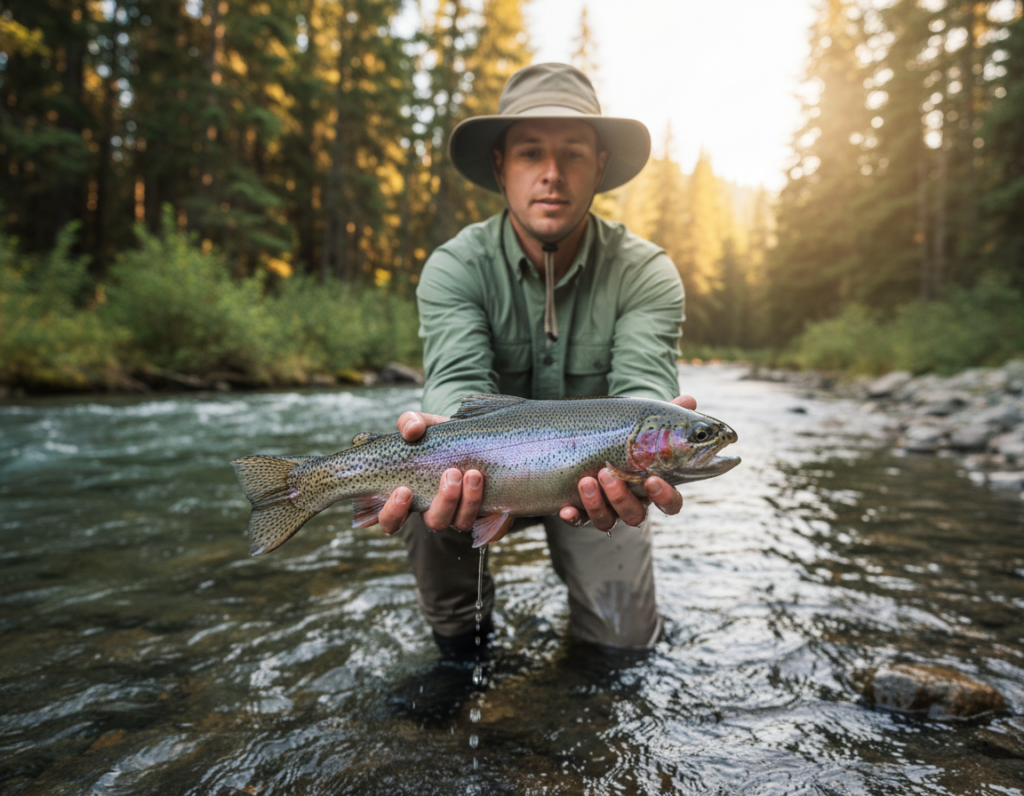
Kenneth Reaves, an outdoor expert and longtime blogger at perfectcaptain.com, reminds anglers that time on the water is a welcome escape from the chaos of life. He says simple preparation and steady observation turn a good trip into a safe one.
Preparation starts before you leave the shore. Anglers should make sure their family knows where they will be and carry basic safety gear. Even seasoned outdoorspeople can face unexpected dangers, so a proactive mindset matters.
By studying the habits of experienced anglers, readers can learn how to plan a day that prioritizes safety and a calm return home. Proper planning is the foundation that keeps outings enjoyable and secure for both individuals and family members.
Essential Preparation for Preventing Fishing Accidents
A careful pre-trip routine reduces risk and sets the tone for a safe day on the water.
Make sure the boat carries a well-stocked first aid kit. It should include disinfectant, gauze, and bandages so minor wounds and a fish hook injury can receive quick care.
Wear non-slip shoes and consider anti-slip rubber mats on deck. These simple measures lower the chance of slips and falls and protect against fractures from wet surfaces.
If someone else falls and is injured, keep them as still as possible until emergency responders arrive. For serious injury, stop the trip and seek professional help right away.
- Maintain equipment to avoid gear failures that raise risk.
- Keep clear communication about who will call for emergency support if needed.
- Carry basic supplies and review a short plan with everyone before leaving shore.
Navigating Environmental Hazards and Weather Risks
Strong awareness of changing seas and skies helps anglers react before conditions become dangerous. Sudden storms and rogue waves can flip a small vessel or wash someone overboard. Staying alert to the horizon and forecasts reduces that chance.
Managing rough waters
Harsh weather and rough water demand quick, calm decisions. A captain should slow, secure loose lines, and point the bow into waves when possible to lower the risk of capsizing a boat.
According to the CDC, commercial fishing has a fatality rate 29 times higher than the national average for all occupations.
Preventing slips and falls
Keep the deck tidy and dry. Clutter and wet surfaces raise the chance of slips, which often lead to serious accidents.
- Inspect and maintain all equipment before leaving shore.
- Use non-slip footwear and stow gear in labeled bins.
- Assign a lookout when seas turn rough so crew stay safe.
Consistent checks and sensible prep improve overall safety and help crews return home. Vigilance, good gear, and clear roles make the next trip safer.
Managing Gear and Equipment Safety
Simple checks and clear signals make operating equipment far safer for everyone aboard. Gear issues often lead to the two most common equipment problems: fishhook injuries and propeller-related trauma. A short routine reduces those risks.
Handling hooks and propellers
Always treat a hook as sharp and dangerous. Pay attention when casting to avoid the hook embedding in ears, lips, or eyelids. If a hook lodges in muscle, clean around the site and wrap it with gauze from the first aid kit to limit infection.
To lower propeller harm, make sure the engine is off before anyone enters the water. Place warning stickers near the rotating parts so others notice when someone else is operating the boat.
- Inspect reels, lines, and winches before use to catch defects.
- Manage gear so movements are predictable when you are fishing with others.
- Label roles and call out actions to keep crew aware of each other’s position.
“A simple check before departure can be the difference between a safe trip and a severe injury.”
Good equipment habits are the clearest way to improve on-water safety.
Addressing Human Factors and Fatigue
Long shifts and small margins for error make human fatigue a top concern on any boat and during a long day on the water.
The National Safety Council notes that fatigue can be as dangerous as alcohol when operating equipment. Tired crew members show slower reactions and poorer judgment.
Commercial crews often face 12-hour shifts. That extended time raises the risk of mistakes that cause injuries or gear failure.
- Rotate duties and schedule regular rest to reduce human error.
- Employers should track hours and enforce breaks to protect everyone on board.
- Teach crews to spot signs of exhaustion and to stop work if visibility, weather, or equipment performance drops.
Recognizing that fatigue equals impairment helps crews protect lives and lowers the chance of serious accidents. Simple policies on rest, lookout duties, and clear handoffs improve overall safety while handling fish and heavy equipment.
Emergency Protocols for Life-Threatening Situations
When a life-threatening scenario unfolds on the water, rapid, practiced responses save lives. Crews should follow a clear plan and use the right gear to reduce risk until help arrives.
Water rescue techniques
Conserve energy and keep the victim supported. If someone is thrown from a boat, they should let go of any line immediately to avoid entanglement.
Always wear a personal flotation device — it is the most effective way to stay alive in the water. Rescue steps must be calm and rehearsed by the crew.
First aid kit essentials
A well-stocked kit helps manage injury until professionals arrive. Include disinfectant, gauze, and bandages to control bleeding from a hook or other wound.
Train regularly on how to use these supplies so care is fast and competent in an emergency case.
Signaling for help
Carry multiple signaling tools: whistle, flares, and an emergency position-indicating radio beacon (EPIRB). Use a whistle or flare to attract attention if you cannot return to the boat.
- Use a whistle or flare to call for help when tired or separated from the vessel.
- Activate EPIRB or VHF radio to alert rescuers to your location.
- Practice hook-injury response and boat-ejection drills so the crew acts quickly.
Understanding Legal Rights and Maritime Protections
Understanding maritime law helps crew members know when they can seek compensation after a serious on-board injury.
The Jones Act gives injured seamen a legal path to pursue damages from an employer when negligence plays a role.
If someone is hurt on a fishing boat, consulting a maritime attorney is essential. A lawyer who knows the Jones Act and sea law can explain options and filing deadlines.
Preserving evidence and documenting the scene after a fish-related incident or hook injury strengthens a case. Photographs, witness names, and medical records help prove liability.
Act quickly. Maritime claims often have shorter deadlines than other injury suits. Seeking immediate medical care protects health and creates records for lost wages or disability claims.
- Seek legal advice that understands the maritime industry and family needs.
- Document the event, gather witnesses, and keep medical notes for every visit.
- Consider firms that represent crews aggressively, such as BoatLaw, LLP, when evaluating options.
“Douglas R. Williams brings practical maritime experience to help families after serious boat incidents.”
Conclusion
Keeping safety central starts with simple habits: check gear, watch the sky, and brief everyone before casting off. Small routines build confidence and cut risk for all aboard.
An emergency can come quickly, so keep a well-stocked kit and practice response steps until they feel natural. Crew roles and calm communication help teams act fast when seconds matter.
Professional guidance and knowing maritime rights support anglers and their families if serious harm occurs. Above all, protect your life by never skipping training or proper gear.