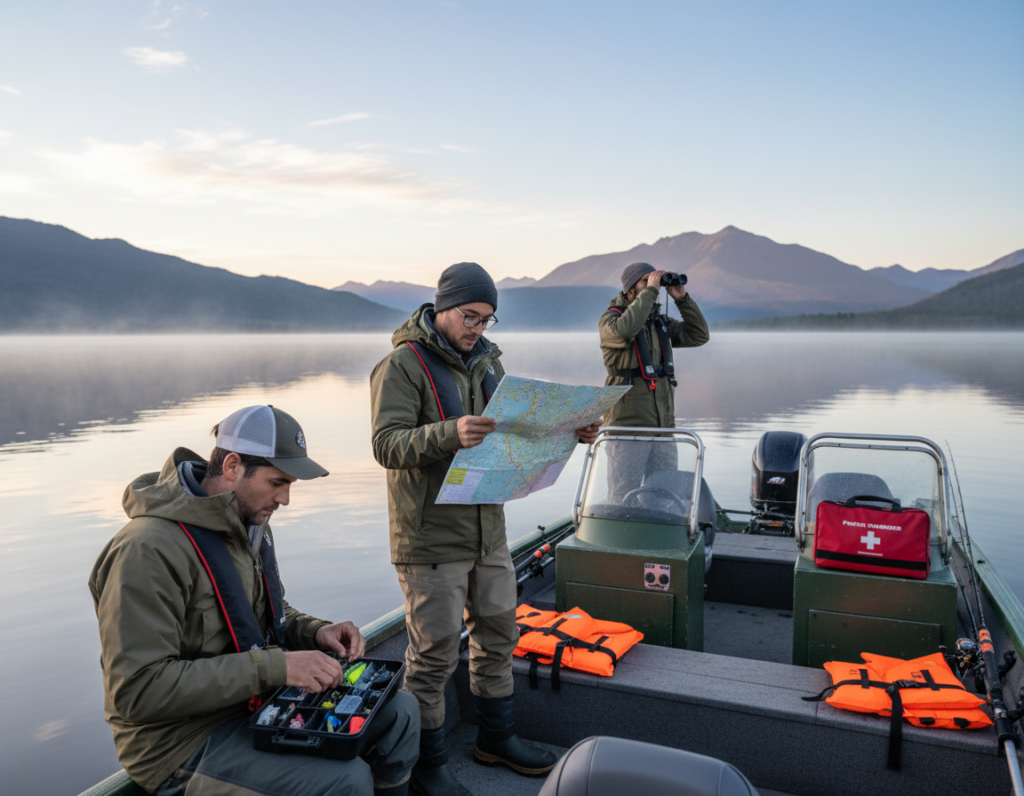
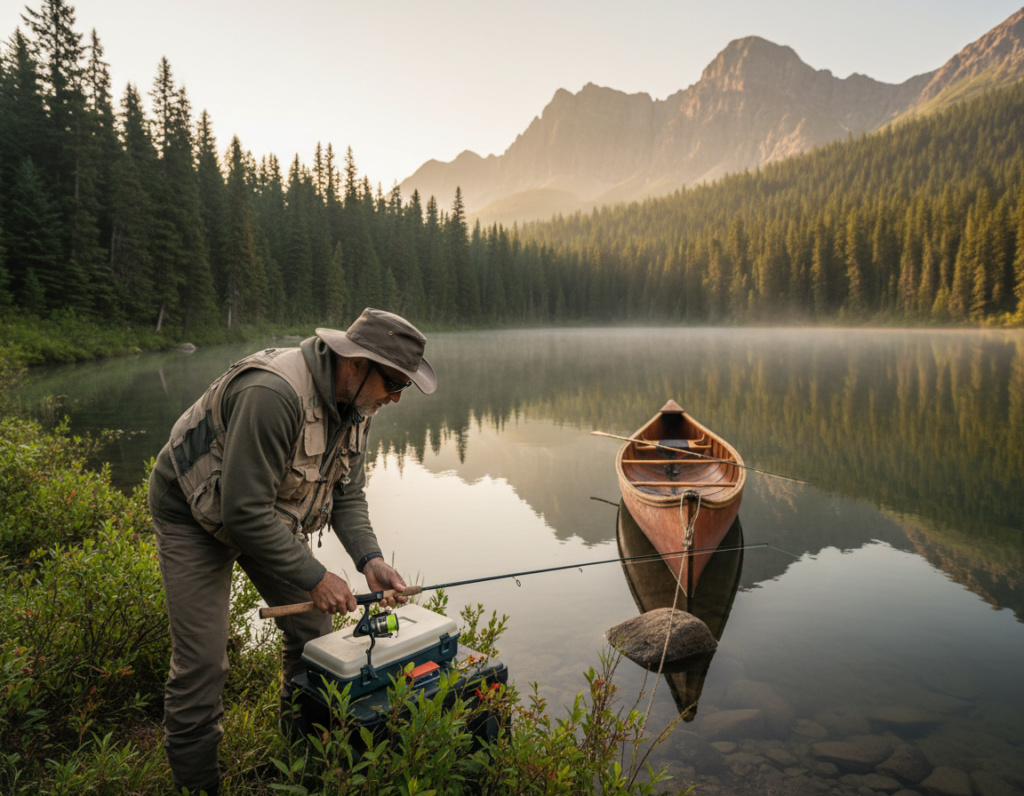
Responsible catch and release matters for anglers who want wild fish to thrive in local lakes and streams.
Scientific data shows the stakes. A Canadian study found rainbow trout held out of the water for 30 seconds had more than double the mortality of those kept submerged. When left for 60 seconds, mortality rose sixfold.
These findings prove that quick, careful handling affects survival. Many assume a fish that swims away is safe. In truth, delayed mortality is common when handling is poor.
Anglers who focus on gentle handling and fast return to the water help protect spawning populations. This guide explores simple steps for catch release fishing and release fishing techniques that keep fish healthy.
By prioritizing survival, anglers support long-term fishing opportunities and the health of diverse fish in American waters.
Understanding the Risks of Catch and Release Fishing
Hooking injuries and fight stress can silently reduce a fish’s chance of survival long after it swims away. Many outcomes depend on where the hook struck and how long the struggle lasted.
The Reality of Hooking Mortality
Fish hooked in the gills or gut face severe hemorrhaging and infection. These injuries drastically lower chances of survival compared with mouth-hooked fish.
“Studies show circle hooks cut deep hooking rates — for king salmon, about one in 20 are gill or gut hooked when circle hooks are used.”
Factors Contributing to Exhaustion
Exhaustion is another major risk. A prolonged fight on ultra-light tackle forces lactic acid buildup and muscle damage.
- Avoid ultra-light tackle for large species to reduce fight time and increase recovery chances.
- When a fish is gut hooked, cutting the line close to the hook often causes less harm than extracting it.
- Water temperature matters: fishing during hot parts of the day raises stress and lowers survival.
Anglers should also note that simple tools and local rules help protect fish populations. A modest state fishing license — often under $25 per year — funds management that benefits many species.
Essential Gear for Responsible Catch and Release
A short fight and fast, gentle handling start with proper tackle and a soft landing net.
Select heavier line and the right tackle so anglers can land fish quickly and lower stress. Heavier line shortens the fight, which helps fish recover faster in the water.
Use barbless hooks to reduce the size of any puncture. Barbless hooks make hook removal faster and safer, cutting handling time and lowering injury risk.
Choose a landing net with a large frame and soft, knotless mesh. That design keeps the fish mostly submerged while the angler prepares tools for removal.
- Prefer artificial lures or flies to avoid deep swallowing and protect fish species.
- Keep pliers or a hook-out device ready for quick hook removal.
- If extraction is difficult, cut the line close to the hook to minimize further harm.
For more technique and policy guidance, see catch-and-release best practices.
Best Practices for Handling and Releasing Fish
Simple handling steps can cut stress and improve a fish’s odds after release. Anglers should aim to keep handling brief and gentle to preserve survival chances.
Minimizing Air Exposure
Keep the fish in the water whenever possible. Even short air time raises stress and lowers survival.
Avoid lifting the fish for photos. If a quick picture is essential, keep the fish water-bound and limit time out of water to under two minutes.
Protecting the Protective Slime Layer
Always use wet hands or moist gloves; that preserves the fish’s protective mucus layer. This layer fights infection and helps healing.
Use a knotless mesh net and keep the fish submerged while preparing tools. Do not squeeze the midsection or hold by the gills.
Proper Resuscitation Techniques
If a fish seems exhausted, hold it gently facing upstream so oxygenated water flows over the gills. This often restores breathing and strength.
For deep hooks, cut the line close to the hook instead of prolonged removal attempts. Use a Fish Hook Extractor or pliers for quick, safe hook removal when possible.
- Keep handling under two minutes to reduce stress and injury.
- Prefer barbless hooks and short fights with proper tackle to boost survival.
- When measuring, keep the fish water-bound to protect the mucus layer.
Conclusion: Sustaining Aquatic Ecosystems for the Future
Simple habits while handling a fish can multiply its chances of long-term survival. Applying clear catch release steps makes a big difference for fish populations and local fishing.
Minimizing stress during the time at the water helps fish recover and swim away with higher odds. When anglers use quick, gentle methods while releasing fish, the balance of back water habitats and species stays stronger.
Collective commitment keeps fish species abundant for future trips. Use these tips every time on the water to support healthy fish populations and better fishing for years to come.