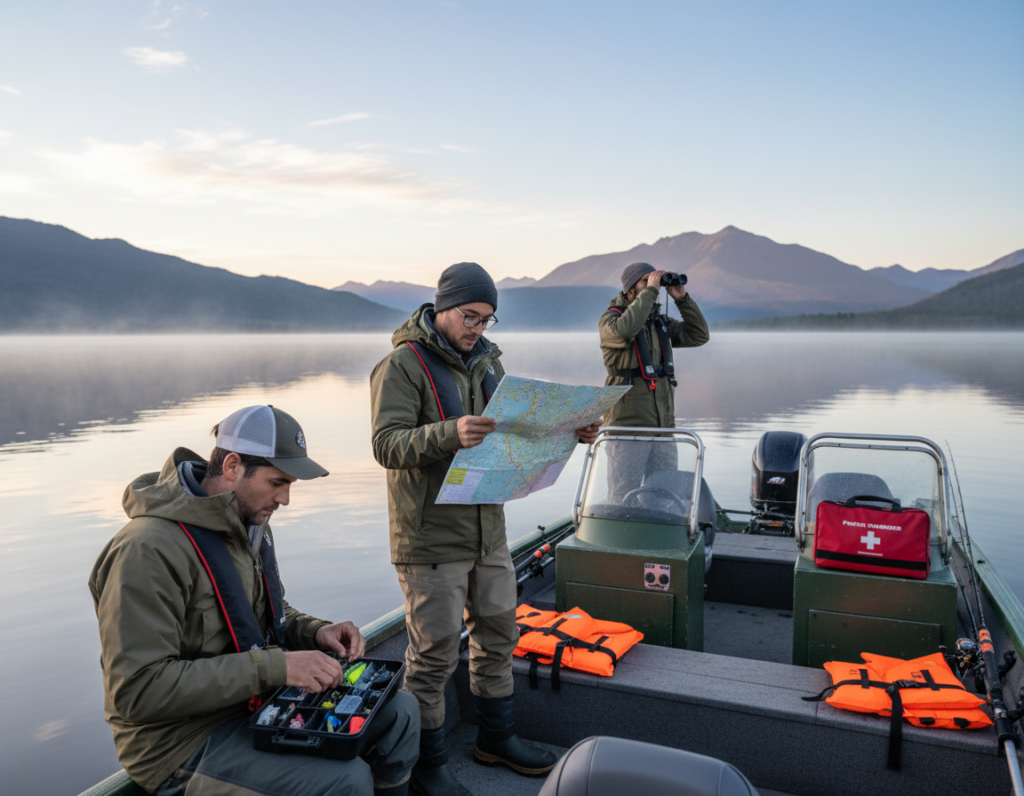
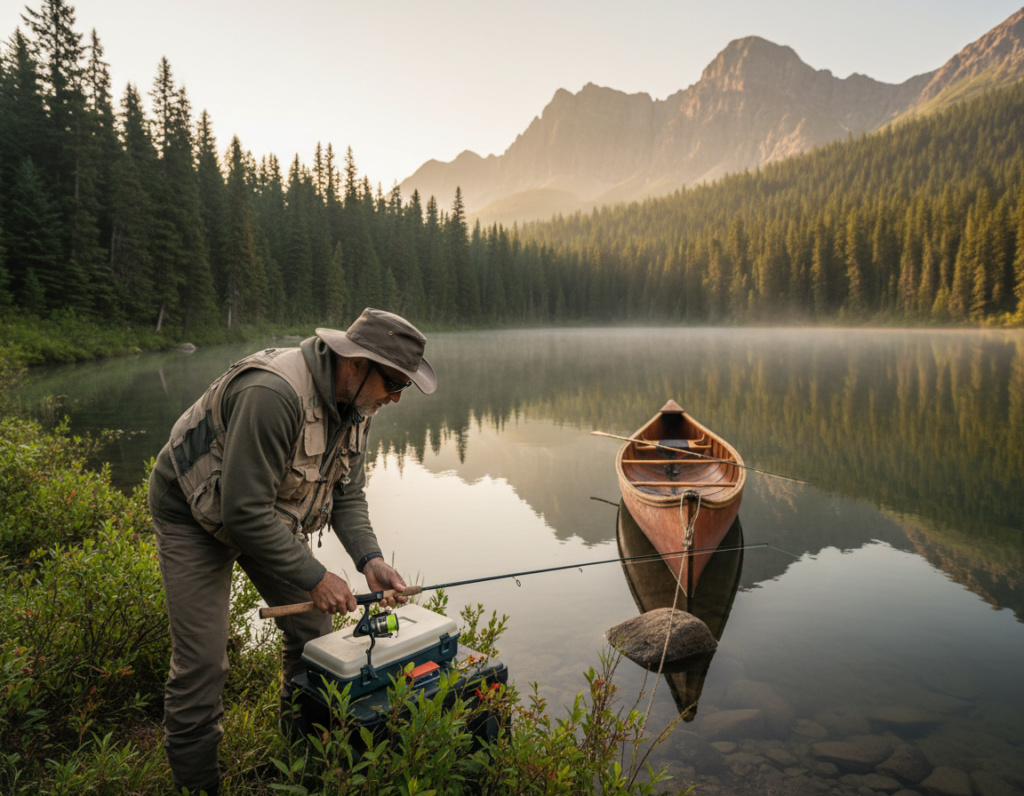
Quartz Lake in Glacier National Park is a clear example of a remote spot where anglers must plan ahead. They should treat every outing as a trip that needs care and simple preparation.
Always have a U.S. Coast Guard approved life jacket on board or at hand when on or near water. A person who does not wear life protection faces a serious risk if they fall water, because putting on a jacket after submersion is nearly impossible.
Apply sunscreen, wear sun protection, and assign a watch person for children or non-swimmers. These small steps keep the mind clear and let anglers enjoy the day instead of worrying about preventable accidents.
For practical guidance and park-specific rules, consult this NPS guide on safe practices before heading out: fishing safety tips and trip planning.
– Wear a U.S. Coast Guard approved life jacket when on or near water.
– Use sunscreen and designate a watcher for vulnerable people.
– Plan trips to remote lakes like Quartz Lake and review park guidance.
Essential Fishing Safety Habits for Anglers
Developing reliable routines on the water keeps outings predictable and more enjoyable. A compact checklist before launch sets expectations and reduces stress for everyone in the group.
Make key tasks non-negotiable:
- Confirm life jackets and signal devices are accessible.
- Share a simple float plan with someone on shore.
- Inspect lines, knots, and boat fittings before casting off.
Many anglers focus on gear and overlook basic protocols. Yet these small steps are as important as choosing the right lure.
Prioritizing routine builds a safer baseline: it helps the group respond faster when conditions change. In remote areas, consistent checks of fuel, communication tools, and first-aid supplies prevent small problems from becoming emergencies.
Make preparedness part of every outing and you lower the chance of accidents. This practical approach protects both individuals and the whole party, and it helps trips run smoothly from launch to landing.
Preparing Your Gear and Trip Plan
Good trip planning begins long before the boat pushes off the ramp. A short checklist helps anglers pack the right equipment and set clear expectations for the day.
Assembling a Safety Bag
Make sure the safety bag holds basic first aid, waterproof rain gear, spare jackets, and a headlamp. Add a whistle, a map, and a charged personal locator or VHF radio.
Keep hooks in a sealed container and include basic repair tools and extra line. For family outings, pack child-sized life jackets and brief age-appropriate guidance on safe behavior near the water.
Communicating Your Float Plan
Always share a simple float plan with someone else on shore or via the park website form if available. Include launch and return times, the area you will fish, and contact information.
Checking weather and conditions before launch keeps the group’s mind on the facts. Clear communication and the right gear can turn a minor aid need into a quick fix instead of a crisis.
Managing Water Hazards and Currents
Hidden currents and submerged obstacles make remote waterways unpredictable and demand vigilant navigation.
Navigating Swift Water and Tides
Assess the area before launching. Natural water often hides submerged trees, steep drop-offs, and swift channels that can catch a boat off guard.
When moving through swift water, make sure to scan for rocks and other obstacles that could cause you to fall water or capsize. Wear a sturdy life jacket and keep essential equipment within reach.
- Check local tide tables and the park website for up-to-date information on tidal behavior and how it affects your boat.
- If an incoming tide traps the group, seek higher ground immediately and call for help.
- Be alert: sudden weather shifts can raise levels and create new hazards during your time on the water.
When wading, watch for sharp rocks and discarded hooks. Understanding these risks helps anglers and boaters navigate the area without becoming a victim.
Protecting Yourself from Sun and Heat
Direct sun and reflected rays from the surface create a higher UV burden than people expect. This raises the risk of skin damage and eye strain during a long day on the water.
Sunscreen and UV Protection
Apply sunscreen at least 15 minutes before the trip and reapply every two hours. UV damage can begin in as little as 15 minutes, so frequent application is essential.
Note: Clouds only block about 20% of UV rays, so use sunscreen even on overcast days.
Choosing Polarized Sunglasses
Polarized sunglasses are key equipment for any angler. They block harmful UV rays and make it easier to see fish and submerged structure beneath surface glare.
Pick lenses rated for full UV protection and pair them with a wide-brim hat for extra face and neck protection.
Staying Hydrated
Heat and sun increase dehydration risk. Bring plenty of water for time spent on the boat and drink before feeling thirsty.
- Limit outdoor exposure between 10 a.m. and 4 p.m. when sun rays are strongest.
- Carry a reusable water bottle and monitor crew for signs of heat-related illness.
- Keep a basic sun kit with sunscreen, sunglasses, and a hat in easy reach.
Preventing Hook Injuries and Wildlife Encounters
Remote shorelines demand quick thinking when hooks and wildlife are nearby. Simple checks and clear actions cut risk for everyone on the shore or in the boat.
Always look around before casting to make sure no one, especially children, is near the arc of the line. Keep barbless hooks or a hook guard handy to reduce injury when handling fish or rigging gear.
Responding to Severe Weather and Emergencies
Be prepared: carry a compact first aid kit and know basic wound care for punctures and lacerations. If a hook embeds near an eye or a wound bleeds heavily, seek immediate medical help.
- Dispose of fish remains away from camps and use sealed bags to avoid attracting bears or other animals.
- Wear sturdy shoes to protect feet from sharp rocks and hidden hooks in the area.
- Check the park website for wildlife guidance and keep a charged radio or phone for aid if conditions worsen.
“Be prepared; small precautions save lives.”
If someone should fall water, they must stay calm and use life protection gear until help arrives or they can reach shore. Quick action and clear information reduce the chance of escalation.
Responding to Severe Weather and Emergencies
Sudden storms can turn a calm day on the water into an urgent rescue situation. Anglers should treat changing conditions as a cue to act immediately and protect the crew and the boat.
Recognizing Hypothermia Symptoms
Hypothermia can begin in water as warm as 80°F. Early signs include shivering, slowed speech, and loss of coordination.
Normal body temperature is 98.6°F, and shivering often starts near 96.5°F. If someone shows confusion or heavy shivering after cold immersion, give first aid and rewarm them gently.
- If thunder is heard, stop fishing and seek shelter; lightning is a major risk on open water.
- Always wear a life jacket and make sure family members know how to respond to a fall water emergency.
- If someone else is in distress, shout for help and use a rope, paddle, or cooler to reach them—avoid entering the water when possible.
“Check the forecast before your fishing trip and use the park website to find shelter locations during storms.”
Conclusion
Conclusion
A brief final review before leaving the water reduces risk and sets the group up for a smooth return.
Prioritizing core precautions ensures each fishing trip stays enjoyable and memorable. They should pack a reliable first aid kit, check weather, and inspect the boat and gear before launch.
Wear a life jacket and stay alert to hazards in the area; these steps protect life and lower risk. Make sure everyone on board knows the plan and emergency contacts.
For a practical checklist and gear tips, consult this gear and trip checklist. Following these guidelines keeps the group safe and lets them enjoy the outdoors with confidence.