Solo fishing demands a focused safety mindset. The Divers Alert Network (DAN) provides resources that help ensure every outing ends with the angler returning home safe.
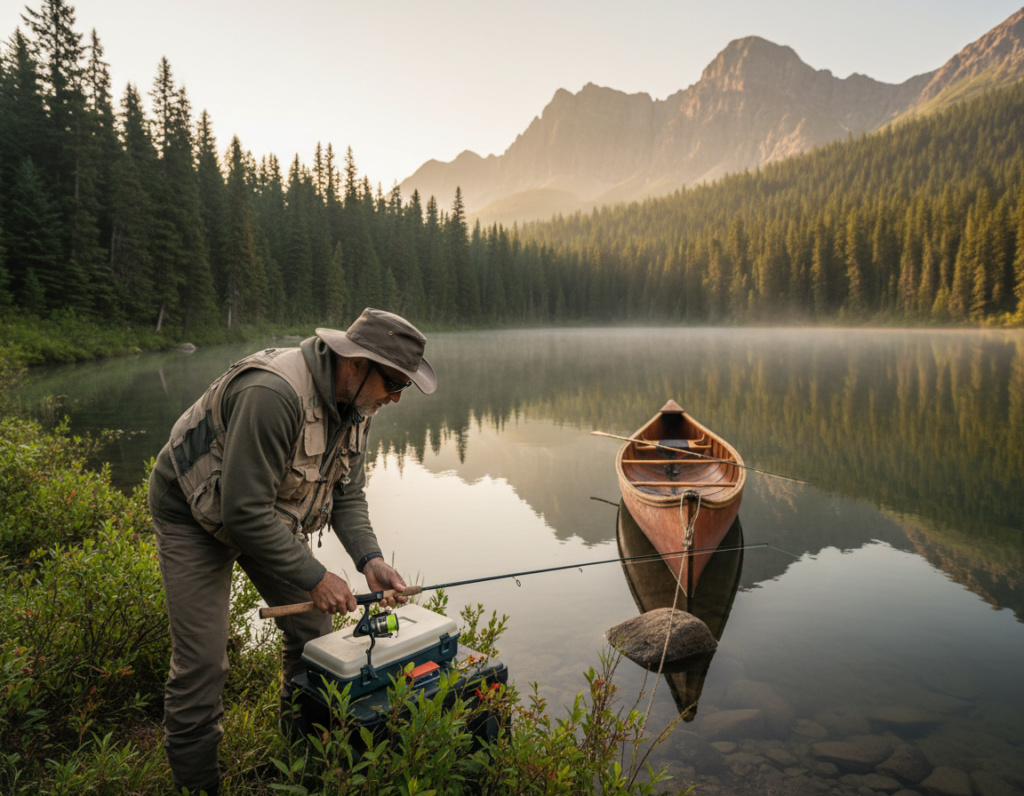
When one person handles a trip, the boat becomes a lifeline. A reliable vessel, basic gear checks, and a clear plan reduce risk and build confidence on the water.
Solo anglers must prepare to solve tackle or fish issues without help. Taking time to learn simple protocols and practicing responses makes a real difference in outcomes.
Professional anglers treat preparation as routine. They schedule gear checks, confirm communication devices, and respect weather and location limits to protect their life and time on the water.
With attention to vessel upkeep, skill development, and DAN guidance, a lone angler can enjoy fishing while minimizing hazards and staying ready for the unexpected.
Assessing Risks for Independent Anglers
A lone angler must size up hazards early to stay safe on the water. The Divers Alert Network (DAN) notes that poor fitness, anxiety, inexperience, and neglected gear often lead to serious incidents.
DAN reports that teams dispatch over 2,500 calls annually, many tied to preventable accidents. Checking the weather and local water conditions before launching a boat is the best way to reduce those risks.
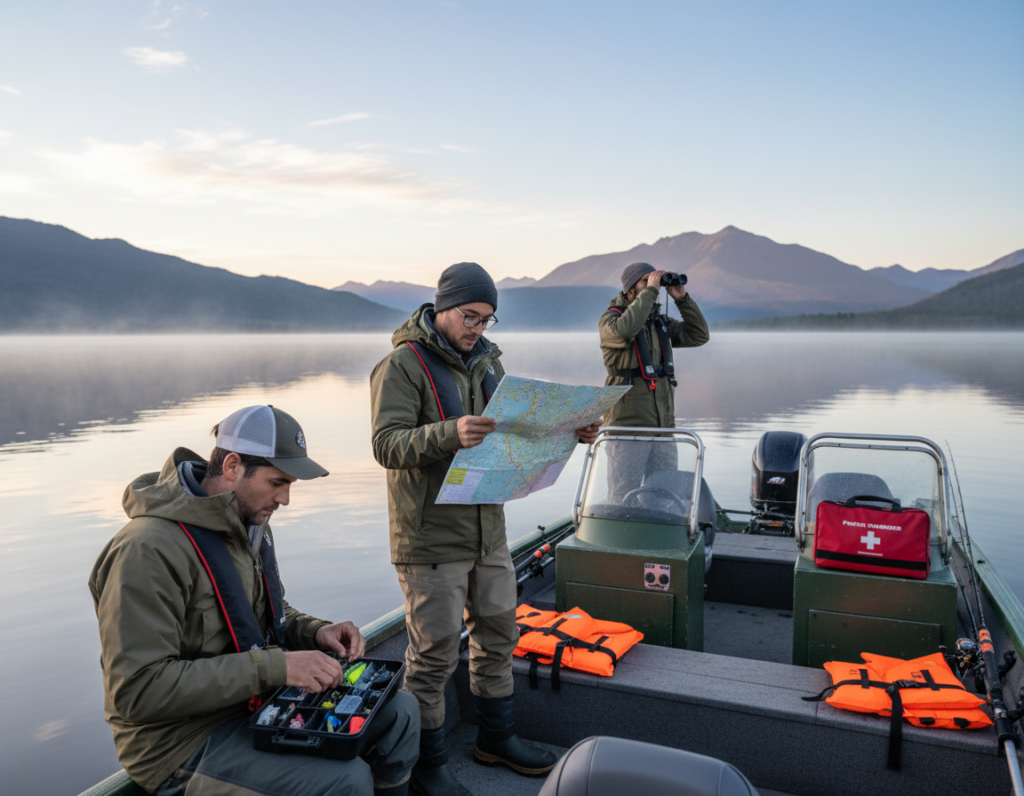
He or she should inspect the hull, bilge, and engine for wear that could fail while trying to land a fish. A working radio and backups of communication tools matter in case help is needed miles from shore.
If someone is not in good physical shape, they should avoid risky maneuvers or rough conditions. Prioritizing safety over one more catch is a simple habit that prevents many accidents.
- Confirm fitness and skill match the planned trip.
- Verify radio and signaling gear function before departure.
- Check weather, tide, and local water conditions near the launch.
For detailed regulatory guidance, review the Fishing Safety Management Code.
Essential Emergency Planning for Anglers
A concise, written response guide can save vital minutes when something goes wrong on the water.
Developing a Comprehensive Action Plan
Create a short, clear action sheet that lists who to contact, nearest hospital, and search and rescue resources in the area.
Keep a hard copy on the boat and one copy with people on land. That way, a bystander can follow steps and contact authorities to get help.
- Write contact numbers and the vessel description.
- Include simple steps for breathing, bleeding, and moving an injured person.
- Review and update the sheet when weather or target fish changes.
Identifying Potential Medical Scenarios
Imagine common medical situations: a cardiac event, a fall, or severe laceration. Note the best immediate action for each type of incident.
An effective EAP should be easy to read so an untrained person can act during a crisis. Periodic drills save time and reduce errors when minutes matter.
“A clear, written action plan lets a single person focus on survival and getting assistance fast.”
Equipping Your Vessel for Safety
Keeping the boat mission-ready is a daily habit that reduces risk on the water. A well-maintained vessel, checked bilge system, and reliable safety equipment let a single operator act quickly when things go wrong.
Maintaining Vital Gear and First Aid Kits
He or she should inspect the bilge pump, battery connections, and navigation lights before launch. Small faults can escalate fast, so catch issues early.
A complete first aid kit must include non-expired medications, sterile dressings, a splint, and tools to remove fish hooks safely. The operator should know how to use every device inside the kit.
- Test your radio and a backup communication device that works beyond cellular range.
- Keep safety equipment organized and replace worn lines, life jackets, and flares promptly.
- Schedule brief drills to learn gear use and to reduce response time during an emergency.
“Investing time in equipment upkeep is investing in survival.”
High-quality gear and a maintained bilge system protect the boat and the person aboard whether chasing a big fish or enjoying a calm day on the water.
Establishing Communication and Response Protocols
Reliable contact methods and a repeatable response sequence keep a single person safe when conditions on the water change. A short, practiced approach reduces hesitation and speeds access to help.
Sharing Your Float Plan
Share a float plan with a trusted person on land before departure. Include launch time, target area, boat description, and expected return time.
That contact becomes the person who will call authorities if the angler is late. Clear details shorten search time and improve outcomes.
Activating Emergency Medical Services
The Divers Alert Network advises that he or she should activate EMS before performing complex aid when alone. Calling first ensures professional responders are en route.
When providing CPR, use barrier devices like pocket masks to protect the rescuer. Document the type of injury, exact time, and any depth or duration details to help medical staff.
Managing Onboard Crises
Prioritize personal safety and secure the boat before treating others. Keep the first aid kit and key equipment within reach at all times.
- Test the radio and backup devices in varied weather.
- Use the radio to contact the nearest station and give the exact area where the person is fishing.
- Have a clear action protocol for fires, medical events, and mechanical failures.
“Activate EMS first, then provide aid if safe and trained.” — Divers Alert Network guidance
Conclusion
Good habits on the water reduce risk and help ensure a safe return each time. He or she should treat routine checks and short drills as essential tasks before leaving the launch.
Prioritizing emergency readiness is the most effective way to protect life while enjoying the trip. A concise plan that lists contacts, gear, and steps to take speeds response and cuts confusion.
Consistent gear updates and practiced response protocols create a culture of safety that benefits every person on the water. They should stay informed about new techniques and equipment to keep pace with best practices.
Preparation is the foundation of successful outings; a clear, well-maintained plan is the best defense against the unexpected.