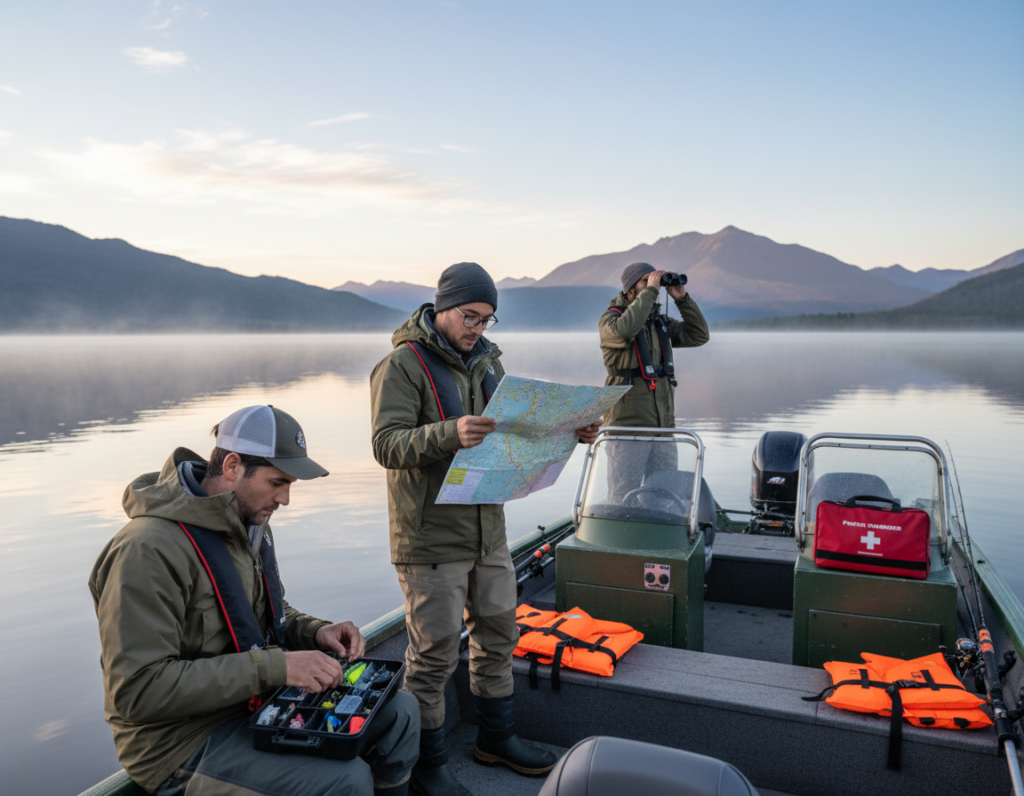
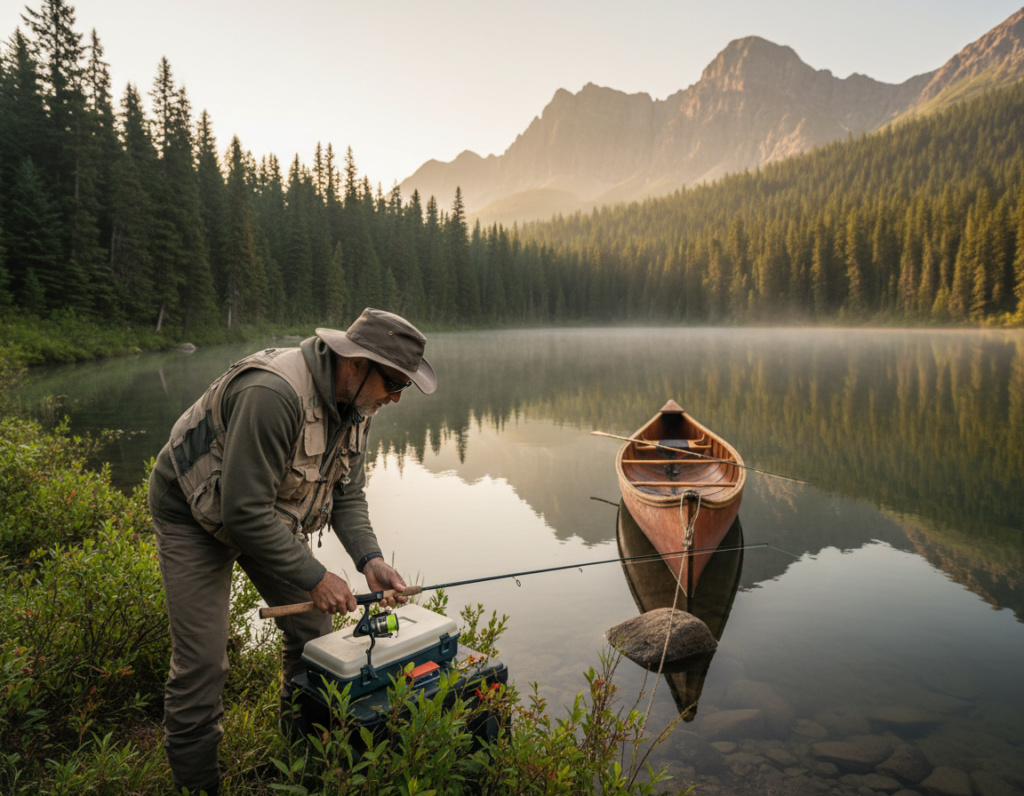
Every angler should start with clear rules to make a trip safe, legal, and enjoyable. Good preparation helps protect fish and keeps the outdoors open for everyone.
The Federal Aid in Sport Fish Restoration program began in 1950 after Congressmen Dingell and Johnson set it up to fund habitat work and youth clinics. Money from license sales feeds that program and, in many states, goes directly to the agency that manages the work for future years.
The Florida Fish and Wildlife Conservation Commission manages fish resources for public benefit, and the Florida Wildlife Code is the final authority on local law. Anglers are urged to check the latest information, follow fishing regulations, and purchase licenses when possible to support conservation and sustain healthy waters.
The Importance of Understanding Freshwater Fishing Regulations
Knowing the rules protects fish and the places they live. Anglers who learn state limits, seasons, and gear rules help prevent overharvest and habitat damage.
The Wallop-Breaux amendment of 1984 added fuel and tackle taxes that boosted conservation funding. Those dollars support habitat restoration, stocking, and youth programs that connect young people to nature.
The Florida Fish and Wildlife Conservation Commission applies scientific data to manage fish populations for long-term sustainability. This approach keeps species balanced and supports the state’s reputation as a top bass destination.
Following clear rules also safeguards family outings and community access to healthy waters. Accurate information reduces accidental violations and helps anglers give back to the resource.
- Protects stocks: Limits and seasons reduce depletion.
- Supports youth: Recreational angling introduces kids to the outdoors.
- Ensures continuity: Compliance keeps fish available for future years.
Navigating Statewide Versus Site Specific Rules
Understanding whether a rule is statewide or tied to a specific water can prevent costly possession errors. Anglers should confirm which rules apply before they enter any area.
Statewide rules set the baseline for all waters not listed in the site-specific guide. If a species is not named in the site list, the angler must follow the state code.
Site specific exceptions
Site rules cover the water area itself, not the county lines. Impoundment boundaries are often defined by a dam or outfall location. Large rivers that run through many counties are labeled “Multiple” to clarify coverage.
- Check bulletin boards at the site for emergency changes that take effect immediately.
- If a fish is caught in a protected area, it must be released immediately to avoid violations.
- Use digital maps to verify dates, length limits, and harvest limits for the exact water you plan to use.
Defining Key Terminology for Anglers
Before heading out, every angler should know the terms used in the official guide. Clear definitions turn complex rules into simple actions on the water.
Minimum Length Limit means any fish below the stated length must be released immediately. This protects juveniles so they can grow and reproduce.
Protected Slot Length Limit requires releasing fish that fall inside a specific length range. Managers use slots to protect breeding-size fish and larger spawners.
Daily Harvest Limit sets the maximum number of fish an angler may take in one day. Some listings use aggregate totals, which count all listed species together rather than by species.
- Site-specific codes clarify special restrictions shown in numbered parentheses in the guide.
- Understanding these terms helps anglers follow state law and avoid penalties.
- The Florida Fish and Wildlife Conservation Commission and other agencies publish clear information so anglers can comply and support conservation.
Mastering this vocabulary lets an angler make quick, legal decisions about which fish to keep and which to release.
Essential Gear and Equipment Restrictions
What equipment an angler may use on a given day directly affects legal possession and conservation outcomes. Understanding limits keeps people lawful and protects fish populations across state waters.
Pole and Line Limits
Sport anglers may use no more than two poles at one time. Each pole may have up to two hooks or lures attached.
This rule prevents overharvest and helps officers confirm possession limits quickly on small lakes, ponds, and rivers.
Hook Restrictions
All live bait greater than eight inches in total length must be rigged with a quick set rig. That rig may include up to two treble hooks to meet minimum safety and handling standards.
Anglers should check hook size and leader length before they start to ensure compliance with site rules.
Prohibited Devices
Alabama rigs are strictly prohibited in these waters to protect species and ensure fair play. Certain traps and complex multi-hook devices are also banned.
- Cast nets, shad scoops, and minnow seines may be used to obtain bait, provided the bait is not sold.
- Bullfrogs may be taken by hand, gig, pitchfork, spear, landing net, and hook and line during the designated season dates.
- Always confirm area-specific limits and minimum length standards for any water before you begin.
Good gear choices matter: using approved nets and correct hooks reduces harm and helps anglers stay within the law.
Understanding Daily Harvest Limits and Aggregate Totals
Anglers must count all species listed under a rule when calculating what they may keep each day. This simple step prevents accidental overage and protects the fish stocks that support future use.
How aggregate totals work: If a regulation sets a 3-fish daily harvest limit for Largemouth or Smallmouth Bass, an angler may taken only three fish total. That could be three Largemouth, three Smallmouth, or any combination that adds to three.
Understanding Protected Slot Limits
Protected slots require release of fish that fall inside a specific length range. Managers use slot and minimum length tools together to protect breeding-size fish and maintain healthy populations.
- Daily harvest limits control how many fish may taken from a water each day.
- Aggregate rules apply across listed species and across lakes, rivers, and ponds in the state.
- Always verify the published limit for a species before you begin to avoid violations.
Minimum Length Limits and Protected Slot Regulations
Minimum length standards and slot rules are vital tools managers use to shape healthy fish populations. These measures give young fish a chance to grow and reproduce before they are taken.
A minimum length limit means any fish shorter than the stated length must be released immediately back into the water. This simple rule helps maintain breeding stocks and supports long-term use of lakes and rivers.
Understanding protected slot limits
A protected slot length requires release of fish that fall inside a defined length range. Managers use slots to protect prime breeders and to foster trophy growth in select waters.
- Measure carefully: anglers should use a ruler or board to confirm length before claiming possession.
- Examples matter: a 48-inch total length limit for pure muskellunge applies on some bodies of water to promote trophy fish.
- Follow area rules: specific lakes such as Evergreen Lake and Kinkaid Lake may have unique limits to support local stocks.
These rules are science-based and strictly enforced. By heeding minimum length and slot limits, anglers help sustain healthy species and ensure waters remain productive for future seasons.
Catch and Release Best Practices
Catch and release fishing only means every fish must be returned alive and in good condition. Anglers should treat this rule seriously to protect local species and keep waters productive for the next season.
Proper handling improves a released fish’s survival. Wet hands before touching a fish to protect its slime coat. Minimize time out of the water and work quickly.
Avoid touching the gills or eyes. Those areas are sensitive and easy to injure. If a fish is deeply hooked, cut the line close to the hook rather than forcing removal.
“Quick, gentle handling gives the fish the best chance to swim away strong.”
- Use barbless hooks to reduce injury and speed up hook removal.
- Keep the fish in the water while unhooking whenever possible.
- If using a net, choose one with knotless material and support the fish’s body gently.
- Check that the fish swims away before letting go; if it is lethargic, revive it by moving it slowly in the current or water.
Following these tips helps sustain healthy populations and lets other anglers enjoy the same quality fish and waters in future seasons.
Seasonal Closures and Possession Prohibitions
Closed seasons and possession bans are tools managers use to shield vulnerable fish during critical life stages. These time-based measures help populations recover and ensure long-term use of lakes and rivers.
Trout Season Restrictions
It is illegal to possess trout caught between October 1 and 5 a.m. on the third Saturday in October.
It is also illegal to possess trout taken between March 15 and 5 a.m. on the first Saturday in April.
These closed dates protect trout during peak spawning activity and early life stages.
Yellow Perch Closures
The daily harvest limit for yellow perch is strictly set at 15 fish in the combined waters of Lake Michigan and the Chicago River.
Yellow perch harvest is closed from May 1 through June 15 in the Illinois portion of Lake Michigan to allow successful spawning.
- Seasonal closures focus on protecting trout and yellow perch during vulnerable periods.
- Possession prohibitions on the listed dates are enforced to prevent illegal take.
- Anglers should verify current dates and area limits before they use a boat or line.
“Respecting seasonal closures keeps populations healthy and preserves quality angling for future years.”
Bait Collection and Usage Guidelines
Not all waters allow bait collection; anglers must confirm site-specific limits before they gather bait.
Sport anglers may not use minnow seines, minnow traps, cast nets, or shad scoops in designated tailwater areas. These restrictions apply to places such as the Charleston Lower Channel Lake tailwaters and the Clinton Lake tailwaters, and to stretches like the Embarras River.
In Cook County Forest Preserve District waters, bait collection is prohibited except on the Des Plaines River. All live bait over 8 inches must be rigged with a quick set rig to reduce injury to the fish.
Use of bait must follow state law to limit invasive species and disease spread. Anglers should check bulletin boards at the site for emergency changes before they start.
- Verify if bait collection is permitted at the site you plan to use that day.
- Follow minimum length and possession limits for any bait removed from lakes, rivers, or ponds.
- When nets are allowed, handle bait carefully and return non-target species promptly.
“Proper bait management helps maintain healthy fish populations and preserves access for future seasons.”
Special Provisions for Large Rivers and Streams
Large river systems often require special rules to manage fish across long stretches and changing jurisdictions.
Managing broad river jurisdictions means the official guide may label a waterway “Multiple” to show uniform coverage. This helps anglers know that one set of rules applies along the river’s length, even when it crosses many counties.
Managing Large River Jurisdictions
Special provisions may applied to tailwaters and areas near a dam to protect migrating or spawning fish. Limits and minimum length rules often change in these spots to reduce stress on populations.
Different rules can apply to the main channel versus tributary streams. Anglers should confirm which area they are in before they keep or release any fish to avoid improper possession.
- Check the official guide for the exact area boundaries and current regulations.
- Verify season and limit details if you move between rivers, streams, lakes, or ponds.
- Always confirm whether devices such as nets or specific line setups may used at a site.
“Confirming the water’s boundaries prevents accidental violations and protects the resource.”
Waterfowl Hunting Area Restrictions
Designated waterfowl hunting areas close to public access points change how anglers may use nearby lakes and marshes. It is unlawful to enter these areas during the days immediately preceding the regular duck season.
During the regular duck season, fishing is prohibited inside waterfowl hunting areas unless an entry sign specifically posts the area as open. Waterfowl rest areas and refuges are closed to all entry from two weeks before the season until the season ends.
These closures protect birds and reduce conflict between hunters and anglers. They also help ensure public safety around blinds, decoys, and active hunting lanes.
- Check site postings: verify whether your planned spot is a posted waterfowl area before you go.
- Plan alternate sites: move to an open lake or pond to avoid unlawful entry and disruption.
- Comply or face penalties: fines and loss of privileges may result from noncompliance.
“Respecting closures helps conserve resting birds and keeps outdoor spaces safe for all users.”
Utilizing Digital Resources for Real Time Updates
Location-aware apps let users pull up site-specific limits, seasons, and length rules in seconds. This instant access helps anglers confirm daily limit and minimum length details before they keep or release any fish.
The Fishbrain App now includes updated freshwater fishing regulations for many areas across the country. By enabling location services, an angler sees the exact site rules for the area where they stand.
The Florida Fish and Wildlife Conservation Commission offers an online guide and the Wildlife Code (see Chapter 68) for official text. Those sources remain the final authority for any dispute.
- Use apps to get real-time changes that print guides miss.
- Save a PDF or screenshot of the local rules and carry it with your licenses and measuring board.
- Check apps before moving between lakes, near a dam, or into special areas to avoid accidental possession violations.
“Digital tools make compliance easier and help protect fish and habitats.”
The Role of License Fees in Conservation
Every dollar from a license directly supports work that keeps fish populations strong and public access intact. State agencies use those funds for habitat restoration, stocking, and youth clinics that introduce kids to fishing and nature.
The Federal Aid in Sport Fish Restoration program returns excise taxes on tackle back to states. In Florida, fifteen percent of SFR funds go to boating access for ramps and courtesy docks.
- Fees fund habitat repairs and targeted stocking to bolster local fish.
- Money supports access projects, like ramps and docks, so more people can enjoy waters.
- The user-pays, public-benefits model keeps funds dedicated to resource uses.
“Buying a license is a direct investment in healthy fish, reliable access, and the next generation of anglers.”
Even those exempt are encouraged to buy licenses. That voluntary support protects fisheries for years and keeps the sport thriving for everyone.
Safety Protocols for Jug Fishing and Live Bait
Jug gear and live-bait rigs demand clear, consistent safety steps. All jugs set in a body of water must remain under the immediate supervision of the angler at all times.
Immediate supervision means the fisherman is on the water and readily available to identify jugs to law enforcement. This rule helps prevent lost gear and ensures quick resolution if questions arise.
Live bait longer than 8 inches must be rigged with a quick set rig. Quick set rigs may used with up to two treble hooks; single hooks are prohibited for this setup to protect the fish from excess injury.
- Keep jugs attended: be ready to show ownership and move gear if needed.
- Rig live bait correctly: use the required quick set rig for baits over 8 inches.
- Protect the catch: rigs built to the rule reduce harm and help fish survive release.
“Proper supervision and rigging reduce gear loss and protect fish populations.”
Anglers who follow these protocols reduce conflicts with officers and help keep public waters safe and productive. They also make sure any take may taken lawfully and with minimal impact.
Ethical Considerations for Responsible Angling
Responsible anglers know their actions shape the future health of rivers, lakes, and the fish within them.
Ethical angling means more than obeying the law; it requires care for habitat, for the catch, and for other people on the water.
Handle every fish gently and minimize air exposure. Wet hands, support the body, and release fish quickly so they swim away strong. For larger fish, use a measuring board to confirm length; for example, note if a fish is under an inch guideline or meets a site limit.
- Leave the area cleaner: pick up trash and packing to protect the habitat for future anglers.
- Practice quick release: use barbless hooks and limit handling time to help fish survive.
- Respect others: give space on crowded shorelines and honor private property near access points.
- Be ecosystem-aware: avoid moving live bait or gear between waters to reduce disease or invasive spread.
- Set a good example: ethical behavior helps protect trout, bass, and other species and preserves the sport.
“Treat the water and its inhabitants with care; stewardship keeps fisheries healthy for generations.”
Conclusion
Knowing where to find accurate, up-to-date information makes every outing more lawful and enjoyable. Anglers who review site guidance and confirm limits before they go protect fish and keep access open for others.
By following freshwater fishing regulations and current fishing regulations, they help preserve stocks and support conservation funding paid through licenses.
Use official digital sources and carry a copy of your license and rules. Measure carefully with a board when an inch matters, follow safety steps, and practice ethical angling.
With the right information and responsible behavior, every trip can be rewarding and sustainable for future generations.