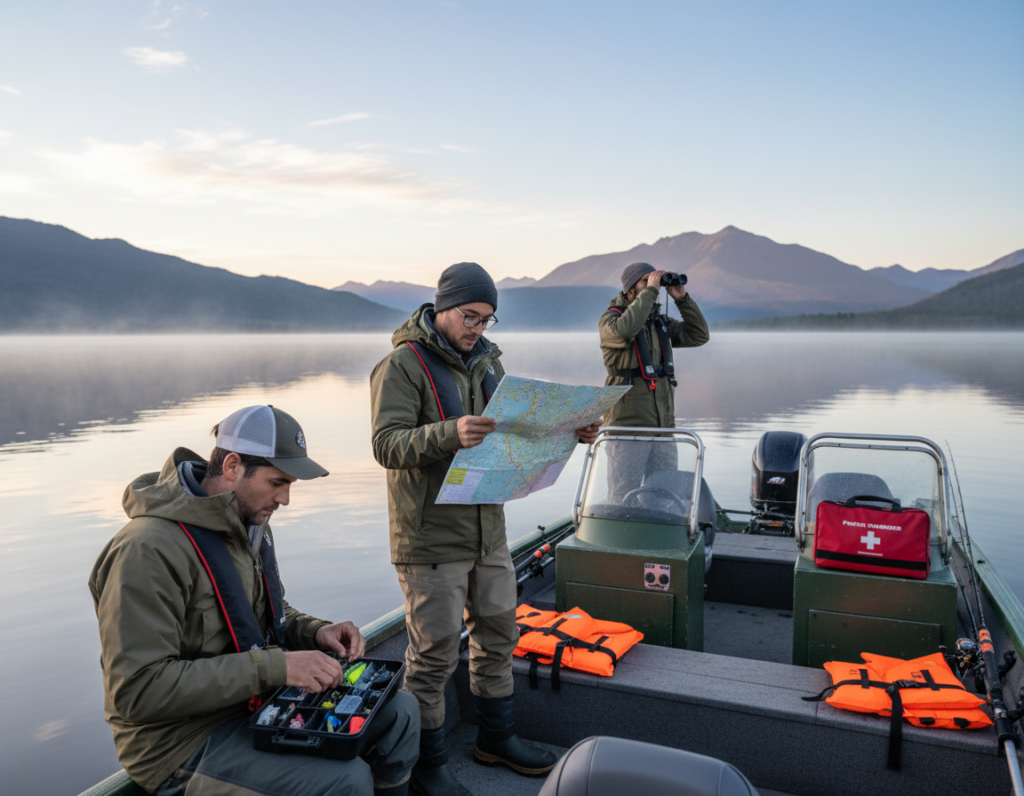
Solo anglers heading into remote areas need a clear plan before they leave the shore. This short guide stresses simple, practical steps so each person can enjoy the day and handle unexpected situations.
They should check gear, pack a first aid kit, and review weather forecasts. Professional guides note that solo fishing skills grow with time and practice.
When researching, if you hit a page blocked extension or a blocked extension error, try disabling extensions or try disabling browser features to access key resources. For a concise overview and planning checklist, readers can consult a sample guide on best practice planning.
By preparing equipment, knowing the water, and managing the line, anglers reduce risk and get more from their trips. This section sets the tone for a practical, professional approach to solo outings.
The Importance of Fishing Alone Safety
Wearing a PFD is as essential on a kayak as a seatbelt is in a car. For kayak anglers, this single choice greatly reduces harm if they end up in the water. A PFD gives buoyancy and time to respond after a fall.
Prioritizing fishing alone safety extends a person’s ability to enjoy the sport over many years. It also lowers the chance of preventable incidents.
Vigilance increases when one is the only person on a boat. Anglers should watch for other traffic, changing conditions, and obstacles that affect navigation.
- Choose waters that match current skill and comfort levels.
- Wear a properly fitted personal flotation device at all times.
- Review basic emergency steps before each trip and refresh them often.
Even experienced anglers benefit from regular reviews of protocols. Staying focused on the environment and following expert tips reduces risk and helps ensure outings remain enjoyable.
Pre-Trip Planning and Float Plans
A clear float plan is the single best step an angler can take before launching into remote waters. It creates a timeline and specific locations so helpers know where to begin if a return is late.
Sharing Your Itinerary
Sharing Your Itinerary
Before a fishing trip, the angler should share a detailed itinerary with someone on the shore. Include launch point, expected return time, alternate landing spots, and the general location of intended fish-bearing areas.
Digital tools enhance this. The Paddle Logger app and its PaddleLIVE service can send automatic location alerts to contacts if an emergency occurs. That reduces response time and improves outcomes.
Scouting Potential Hazards
Scouting Potential Hazards
Research the route and spend plenty of time checking for strong currents, shallow bars, and slippery rocks. Note weather trends and how tides or river flow change at different times of day.
“A simple, shared plan often makes the difference between a recoverable delay and a full-scale search.”
- Float plan must include: launch point, ETA, and alternates.
- Notify a shore contact and make sure they can track progress.
- Scout hazards and match gear to conditions before launch.
Essential Gear for Solo Anglers
Carrying a dedicated dry bag filled with essentials keeps critical items dry and within reach when conditions change. A waterproof dry bag should house a first aid kit, fire-starting tools, and a compact repair kit.
Every angler should organize the bag so first aid supplies are easy to grab. In a stressful moment, quick access matters more than brand names.
The shopping process can trip people up. If a site shows a page blocked extension, page blocked, or blocked extension error, try a different browser to finish the purchase.
- Carry a dry bag with a dedicated aid kit and basic medical supplies.
- Include fire-starting gear and spare clothing for cold or wet water exposure.
- Stock treatments for hook injuries, fish teeth cuts, and common allergies.
- Invest in durable gear and test the layout before launching.
Well-chosen equipment reduces distractions so the angler can focus on catch and surroundings. Regular checks keep the kit ready for real-world use.
Mastering Self-Rescue Techniques
Practice re-entry drills in calm, warm water so confidence grows before venturing into colder or deeper conditions.
Practicing re-entry skills helps an angler respond quickly if a capsize occurs. Short, regular sessions build the muscle memory needed to act under stress.
Practicing Re-entry Skills
- Use the same boat and gear you plan to take on the trip to make drills realistic.
- Keep sessions short; repeat maneuvers several times across a few days to lock in technique.
- Include drills for floating in currents and re-entering without assistance.
- Practice using a boarding ladder, a throw line, and controlled breaths to conserve energy.
- Time your re-entry attempts so you learn to climb back quickly and reduce time in the water.
Make sure practice happens in a controlled setting. Spending too long in cold water risks exhaustion or hypothermia, even for experienced anglers.
“Regular, realistic drills turn an emergency into a manageable event.”
Navigating Weather and Water Conditions
Weather can shift quickly; constant vigilance is essential to stay safe on the water. A quick sky check and wind read can signal when conditions are about to change.
Before departure, anglers should study the full forecast and note wind speed and direction. Match a plan to the expected conditions and the limits of the boat being used.
If combined air and water temperature totals less than 120 degrees, they must consider specialized apparel such as a dry suit or wetsuit. Dressing for immersion reduces the chance of hypothermia if an unexpected immersion occurs.
Be alert to tidal currents, strong flows, and sudden squalls. Monitor the horizon while underway so one can react faster than a delayed forecast allows.
- Re-check wind and barometer readings before each leg of a trip.
- Choose sheltered routes when gusts or storms appear.
- Know when to stop fishing and head for shore to stay safe.
“A timely decision to pull off the water often prevents a minor problem from becoming a serious incident.”
Strategies for Landing Big Fish Solo
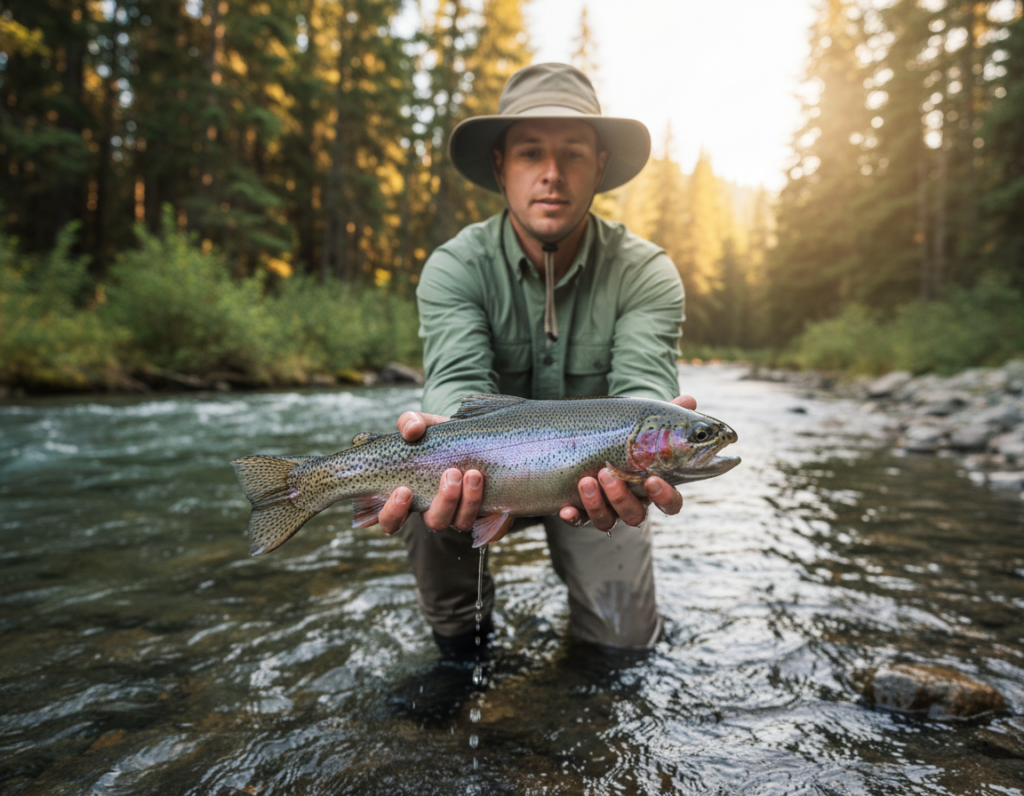
When a big fish takes the bait, calm technique beats brute force. The angler should keep movements deliberate and maintain control of the rod to avoid sudden line bursts.
Proper Netting Techniques
Positioning and Scoop
Bring the net under the fish and scoop upward in one smooth motion. Aim to have the fish near your feet before lifting the rod.
Keeping the fish close to your feet reduces levered pressure on the rod and lowers the chance of a dropped catch.
Managing Line Tension
Strip and Steady
Strip just enough line so the fish sits near your feet when you lift the rod. Too much line lets the fish tangle; too little pulls it hard against the rod tip.
- Maintain steady pressure; avoid jerky reels or sudden runs.
- Use rod angle to guide the fish toward the net, not to force it in.
- Plan where to rest your feet and set gear so you can move quickly.
Practical notes: Have a camera or tripod ready to capture the moment. If you encounter a page blocked extension or similar error, refresh to view the full guide on landing big fish or consult this handy handling and landing tips.
“Practice these moves; repetition builds the calm needed at critical times.”
Communication Tools for Remote Locations
Clear, reliable communication is the linchpin of any remote trip into open water.
When an angler heads out for solo fishing, a phone in a waterproof case is the first line of contact. Keep it on your person so it stays reachable if you fall from the boat.
A satellite radio provides a critical backup where cell service fails. It maintains a link to shore and to rescue services in an emergency.
- Charge devices fully before launch and carry spare power so a dead battery does not end your plan.
- Check coverage for your chosen location and pick gear that works where you will be fishing.
- Use routine check-ins with a shore contact to confirm your status and approximate line of travel.
Choosing the right mix of phone, radio, and spare power depends on distance, terrain, and expected conditions. Proper comms improve response time and multiply the chances of a positive outcome if trouble occurs.
Maintaining Situational Awareness
Remaining alert to the changing scene around a boat gives an angler critical extra seconds to act. A steady habit of scanning sky, water, and shore keeps surprises small and manageable.
Monitoring Wildlife Activity
Keep distance from wildlife and never leave food or bait unattended. Large animals like bears or crocodiles can be drawn to smells and may behave unpredictably.
If fish are active near the bank or in shallow areas, note where wildlife also gathers and give those spots extra clearance.
Watching for Other Boaters
Scan for nearby boats frequently, especially motor vessels that travel fast. Low-profile craft are hard to see, so use bright gear and make your position clear when possible.
Identifying Escape Routes
Before stopping to cast, pick two exit options toward the shore or open ocean. Knowing those routes ahead of time saves time if weather or a threat forces a quick departure.
- Quick checks: monitor weather changes and boat traffic every 10–15 minutes.
- Plan exits: note shallow landings, clear channels, and safe shore points.
- Stay calm: steady observation often prevents a minor issue from becoming serious.
Managing Your First Aid Kit
Keeping a waterproof kit close at hand lets an angler treat small wounds immediately and avoid larger problems later.
A good first aid kit should include bandages, antiseptic wipes, tweezers, and pain relievers to handle common fishing and fish‑related cuts. Store medications and single‑use items in sealed pouches so they stay dry.
Place the kit in an easy‑reach spot on the boat so it can be grabbed in seconds. Add extras for remote trips: a thermal blanket and a simple splint improve outcomes if an injury limits movement.
- Inspect supplies before each trip and replace expired items.
- Take a basic first aid course so you know how to use the tools.
- If a page blocked extension, page blocked, or blocked extension error appears when checking a recommended list online, clear the cache and retry.
Preparation matters. Regular checks of the pack and practice using items reduce panic during an emergency on the water. A well‑maintained kit is essential gear for long‑day outings and remote locations.
Conclusion
Being deliberate about gear, communication, and observation pays off every time. This guide shows practical ways to plan a day on the water and manage common situations while solo fishing.
Preparation and awareness make trips more productive and reduce risk. Review gear, check the weather, and practice key skills before each trip.
If readers have questions about gear choices, contact Bending Branches at 715-755-3405 for expert advice on your next fishing trip. If a page fails to load, try disabling extensions or browser security to access full resources.
With a clear plan and steady habits, solo fishing offers quiet reflection and memorable catches. Remember to review each outing and refine your way forward.