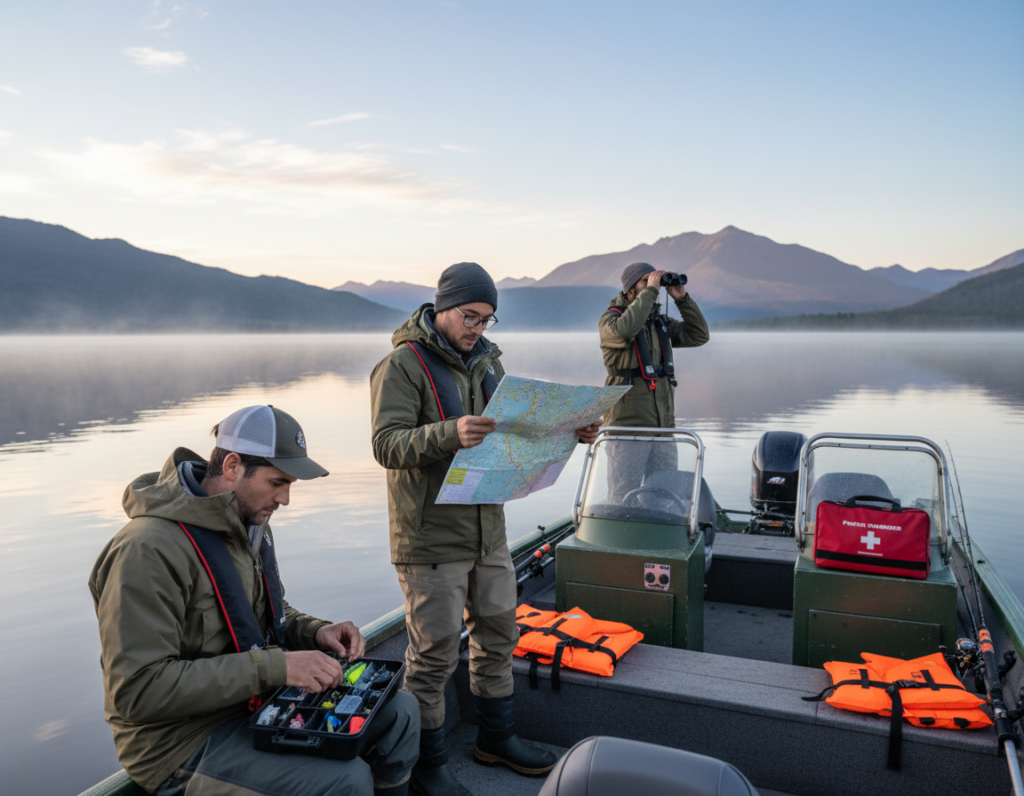
Justrite Safety Group maintains a current commitment to high safety standards in 2026. The organization stresses that implementing safe gear transportation is a vital step to keep invasive species from moving between fishing areas.
The company notes that proper equipment help and clear loading protocols protect local waterways. Every vehicle used for movement gets a thorough inspection to avoid accidental delivery of biological contaminants.
By prioritizing safety in every service, organizations preserve aquatic habitats and meet environmental rules. Routine cleaning of vehicles and careful transport planning are practical defenses that support long-term ecosystem health.
– Implement inspections and cleaning for all vehicles.
– Use proper equipment help and loading procedures.
– Prioritize safety to protect waterways and comply with regulations.
Understanding the Importance of Biosecurity in Fishing
The fishing industry must adopt the rigorous controls found in construction and heavy equipment management to reduce environmental risk. Treating operations this way helps teams spot threats early and keep non-native species from moving between waters.
Applying load planning and weight checks used for heavy equipment improves how crews handle delicate items. This logic supports reliable safety practices and consistent transport decisions. It also reduces liability and protects company reputation.
Clear guidelines for cleaning, handling, and inspection make biosecurity part of daily work. When operators follow these rules, the entire sector benefits from fewer incursions and stronger environmental stewardship.
- Adopt machinery-level checks: use the same pre-move inspections as for heavy equipment.
- Standardize handling: set written protocols for every transport and loading action.
- Build a safety culture: train teams to see biosecurity as a core responsibility.
Essential Preparation for Safe Gear Transportation
Thorough preparation before any haul reduces the chance of contaminating new waters and protects each piece of equipment. Teams should adopt a short checklist that fits routine operations and keeps transport consistent.
Cleaning and Decontamination Protocols
Personnel must clean all items and machinery before the transport process begins. This prevents transfer of invasive matter between fishing sites.
Use approved detergents and drying time to stop hidden organisms. Document the cleaning step as part of the transport record.
Inspecting Trailers and Vehicles
Inspect the trailer, truck, and all tie-down points before loading. Safe Car Hauling applied this routine when moving 10,000+ vehicles across the United States.
- Check brake and wheel components on every vehicle and truck.
- Confirm proper weight distribution on the trailer for cargo protection.
- Secure chains, tie-downs, and attachment points before delivery service begins.
Tip: For extra guidance on heavy equipment checks, consult these heavy equipment transport tips.
Conducting a Comprehensive Risk Assessment
A written risk assessment guides every decision before moving heavy loads between sites. It documents hazards, controls, and the chain of responsibility for each transport process.
Key checks include cargo weight versus vehicle capacity, trailer condition, and the strength of chains and tie-downs. Personnel must verify these items before loading to reduce the risk of accidents during delivery service.
Route review is essential. Teams should evaluate construction zones, time on the road, and potential delays. This analysis helps companies protect machinery and manage damage risk across all 50 states.
Every loading and unloading action must be part of the assessment. Clear ways to handle trucks and items ensure everyone on the job follows the same safety rules.
- Document hazards and mitigation steps for each transport.
- Confirm weight, chains, and tie-down points before departure.
- Assess route construction, time, and delivery service constraints.
- Train personnel on the assessment process and protection measures.
Adopting this proactive approach marks professional companies that prioritize safety and consistent heavy equipment hauling across states.
Best Practices for Loading Equipment onto Trailers
Loading operations must start with a clear plan that protects personnel and equipment at every step. A short pre-load briefing helps the crew follow the same order and reduces risk during the process.
Clearing and Leveling the Loading Site
Clear the site of debris and level the ground before moving any machinery. This keeps the trailer stable and prevents damage to items and the transport vehicle.
Tip: Use compacted surfaces or mats in soft areas to support trailers and trucks.
Managing Personnel and Spotters
Designate a trained spotter to guide the driver and confirm each step. Personnel must maintain a clear line of sight and follow the agreed order of operations.
Most states require at least four tie-down points for loads over 10,000 lbs. The spotter verifies that chains and points meet that rule before departure.
Positioning for Weight Distribution
Place heavy equipment so weight centers over the trailer axle. Proper distribution prevents fishtailing and eases hauling across long distances.
- Inspect chains, brake components, and tie-downs before transport.
- Confirm the driver has clear instructions for delivery and routes.
- Document checks for protection of cargo and compliance with regulations.
Securing Cargo for Safe Gear Transportation
Choosing the right attachment points and hardware makes the transport process reliable and repeatable. This step reduces the chance of load shift and transit damage to equipment and trailers.
Selecting Proper Tie-Down Points and Hardware
Start with anchor integrity. Each tie-down point must match the chain grade and hold capacity of the vehicle and trailer.
Follow the 50 percent rule: the sum of working load limits for all tie-down components must equal at least half the cargo weight. This is a core compliance step to protect heavy equipment and minimize damage.
- Inspect every chain, hook, and buckle before loading to confirm they show no wear or defects.
- Place tie-downs so items cannot roll, tilt, or slide during transport.
- Use high-quality hardware to improve protection for machinery and vehicles on the road.
- Document the process and verify weight distribution across the trailer before departure.
Securing heavy equipment is a critical service that protects the public and preserves expensive items. When operators check each point and component, they lower the risk of in-transit incidents and ensure consistent safety for all loads.
Route Planning and Road Safety Strategies
Effective route planning anticipates obstacles and creates a step-by-step path that keeps the driver and spotter aligned throughout the trip.
Before departure, teams check the truck and trailer for brake and wheel function. They confirm lights, signs, and load marks meet state rules when moving heavy equipment across multiple states.
Personnel coordinate with the driver to avoid construction, low bridges, and weak spans that cannot support the weight. This coordination reduces delays and protects cargo and people.
“A mapped route reduces surprises and keeps the transport vehicle positioned correctly at every critical point.”
- Inspect trucks, trailers, chains, and tie-down points before loading.
- Choose routes that support the weight and size of vehicles and equipment.
- Keep clear communication between the driver and spotter during hauling.
For a detailed approach to routing heavy loads, consult this guide on route planning in heavy hauling. Effective planning protects the public, the personnel, and the cargo while improving delivery time and service quality.
Maintaining Equipment Condition During Transit
Crew members must stay vigilant during transit to keep machinery in original condition. Regular checks and clear reporting help protect each piece of equipment and preserve the delivery timeline.
Monitoring Loads During Travel
Industry standards require the driver to perform a check-in within the first 50 miles. That early review confirms weight distribution and the integrity of tie-down points.
Teams should inspect the cargo at scheduled stops and log findings. These quick checks ensure the transport vehicle and trailer remain reliable for the remainder of the trip.
Managing Environmental Factors
Weather and road conditions can stress fastened components and affect the condition of heavy equipment on the trailer. Drivers must adjust speed and routing to reduce exposure to harmful conditions.
- Perform the first driver check within 50 miles.
- Inspect tie-down points at set intervals and after rough roads or delays.
- Document any adjustments to weight, load, or route for the delivery record.
Consistent monitoring and timely interventions make transport a dependable service and lower the chance of damage to vehicles and equipment.
Procedures for Safely Unloading Fishing Gear
A coordinated team and an orderly site are the first steps to a controlled unloading process. The crew should set a clear perimeter and hold a short briefing that assigns roles to each person.
Personal items are limited to 100 lbs and must fit in one box or suitcase. This rule keeps the loading area clear and reduces delays during the unload.
Before unloading, inspect the trailer, trailer points, and all chains. Confirm the transport vehicle is positioned level and the brakes are engaged.
The driver and spotter work together to move heavy equipment off the vehicle in a steady, controlled way. Release tie-downs in the prescribed order so the cargo cannot shift.
- Verify trailer condition and wheel integrity before any item moves.
- Follow the unloading order to lower risk and prevent damage to equipment.
- Keep communication clear between personnel, driver, and spotter throughout the process.
Proper unloading procedures are the final step in the transport service. When teams inspect, position, and follow the correct order, the machinery arrives ready for use at the new site.
Conclusion
Clear protocols and steady oversight ensure each move protects waterways and equipment. Teams that follow checklists and document each step lower the chance of spreading invasive species.
By applying the guidelines above, companies keep their services reliable and environmentally responsible. Proper planning and steady execution protect personnel and preserve expensive machinery.
Whether moving items across the state or back home, consistent practices form the basis of professional transportation. Use of verified cleaning, secure tie-downs, and routine inspections supports long-term biosecurity.
In this industry, small actions add up. Prioritizing biosecurity and following proven steps helps protect fishing areas and natural resources for future generations.