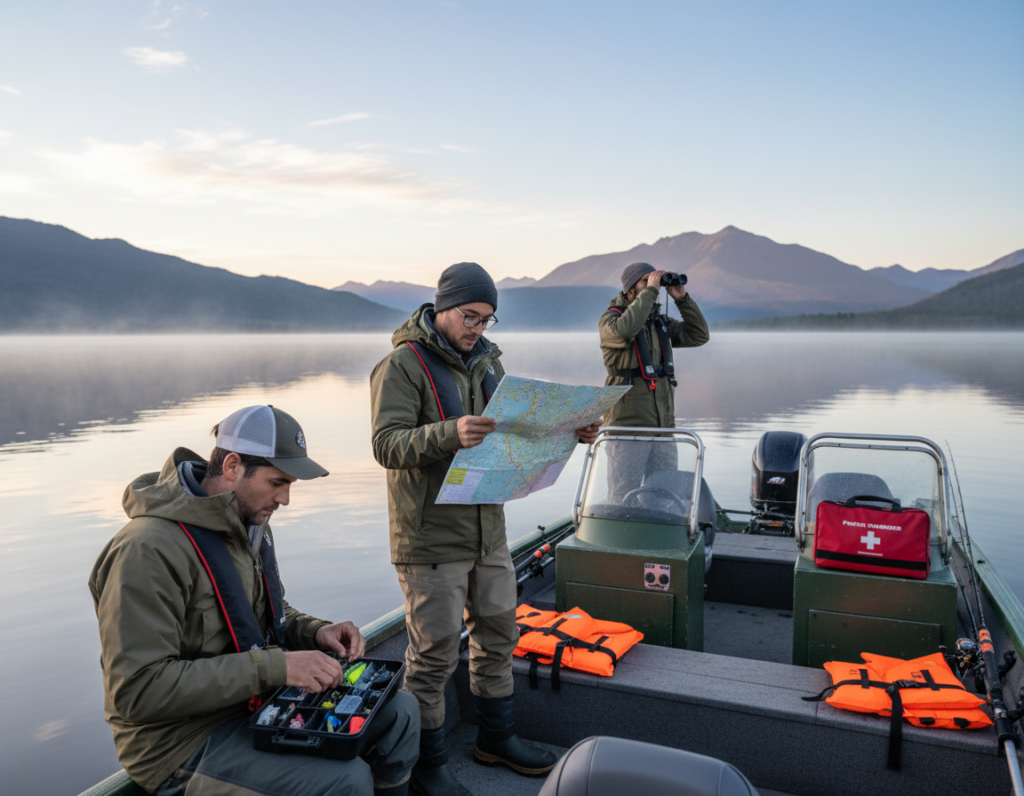
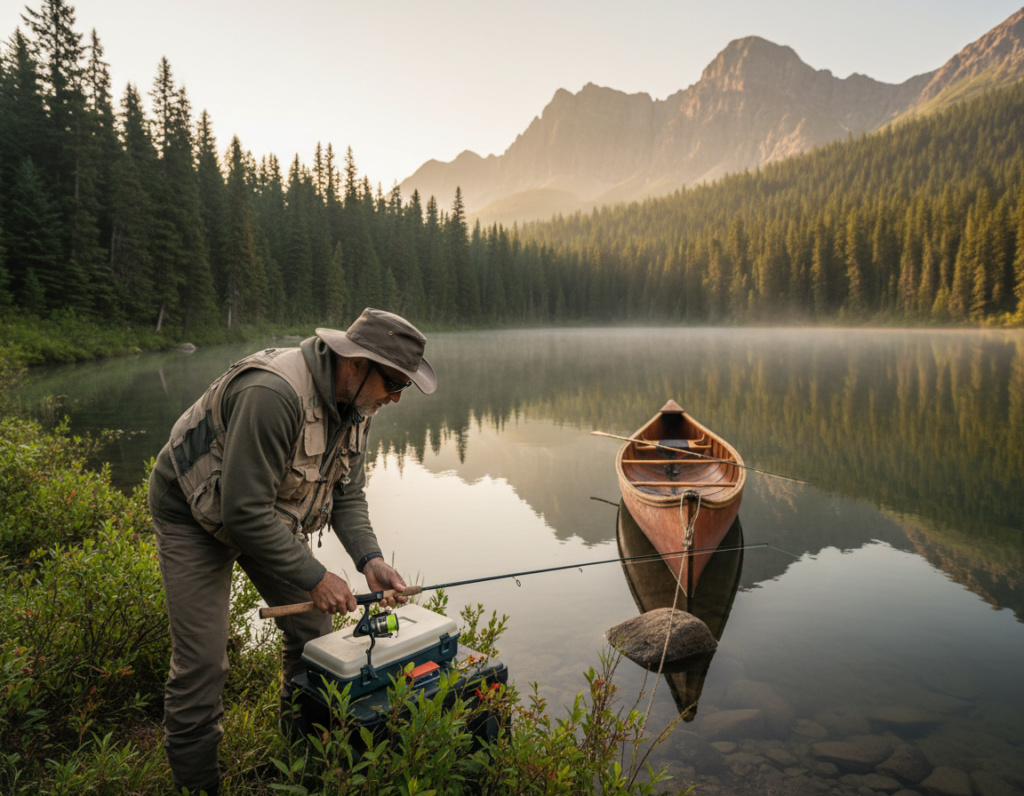
Every angler planning a long trip must prioritize proper gear that meets US Coast Guard standards. The Coast Guard sets clear rules for items carried on boats, and meeting those rules helps reduce risk on the water.
A well-organized ditch bag or dedicated case is a critical piece of gear. It keeps a radio, GPS, whistle, flares, and other communication tools ready for an emergency.
Spending extended time on boats demands reliable design and quick access to rescue aids. Carrying signals and a compact kit increases the chance of timely rescue and protects life during unexpected events.
Experienced anglers keep their bag within reach and review contents before each day on the water. This simple habit supports good boating practice and improves response when seconds matter.
The Importance of Preparedness for Long Fishing Sessions
Preparedness for extended trips starts with a custom boat kit and a simple emergency plan. Industry experts stress that a tailored kit protects life and keeps response times short.
Organizing gear before departure helps the captain and crew stay focused on the day. It reduces distractions and lets everyone enjoy the fishing experience with confidence.
“Whether seasoned or new, a custom-made boat kit is essential for any vessel in case an emergency happens.”
A proactive approach matters. Regular checks and clear roles for crew members make a real difference when conditions change.
- Pack a tailored kit that matches trip length and passenger needs.
- Review simple procedures so everyone knows their role.
- Maintain and inspect gear to ensure reliable function when called on.
Essential Fishing Safety Equipment for Every Angler
On extended outings, a waterproof first-aid pack plus an organized ditch bag can make the difference in a rescue. These items form the core of any long-trip kit and help reduce response time in an emergency.
First Aid Kits for Anglers
Keep a waterproof first-aid kit stocked for cuts, punctures, and common marine injuries. The Future Fisherman Foundation recommends specific supplies for treating wounds and preventing infection.
Make sure bandages, antiseptic, tweezers, and adhesive wound closures are easy to reach. Replace expired items before each trip to maintain readiness.
The Role of the Ditch Bag
A dedicated ditch bag holds distress signals, flares, whistles, and signal mirrors in one waterproof pack. This keeps critical items available for a quick rescue and simplifies crew roles during an emergency.
“Life jackets and their options are non-negotiable for a safe trip.”
- Stock US Coast Guard–approved life jackets for every person onboard.
- Store whistles, mirrors, and flares in a waterproof bag for fast access.
- Review kit contents before leaving the dock to preserve peace of mind and experience on the water.
Selecting the Right Personal Floatation Devices
Choosing the right personal floatation device starts with matching its rating to the expected conditions on the water. Picking an appropriate PFD reduces risk and improves response in an emergency.
Understanding Coast Guard Ratings
The U.S. Coast Guard classifies PFDs into five types. Type I offers the most buoyancy for rough waters and offshore use. Type IV refers to throwable devices meant to assist a person already in the water.
Choosing for Comfort and Mobility
Many anglers favor Type III life jackets because they balance flotation with freedom of movement. These jackets suit day trips and activities that need reach and agility on a boat.
Inflatable Options for Specialized Use
Type V and inflatable designs serve specific uses. Hybrids and inflatables give a low-profile design and high mobility for those who prioritize movement.
“Select a PFD that matches the boat, waters, and the likely rescue scenarios.”
- Always check that a life jacket is serviceable and that users know how to operate it.
- Match device choice to boating plans to ensure effective rescue options.
- Keep a throwable Type IV onboard for quick response to a person overboard.
Advanced Signaling and Communication Gear
Modern distress tools let boaters call for help from anywhere, even beyond VHF range.
Satellite personal locator beacons are a vital piece of safety gear. Devices like the ResQLink AIS use the Cospas‑Sarsat network and can deliver location data with about 10 meters of accuracy. This boosts the chance of a fast rescue in remote areas.
Satellite Communication Devices
Electronic flares such as the ResQFlare PRO meet US Coast Guard requirements and replace pyrotechnics. They offer high‑intensity LED light and 360‑degree visibility for miles.
- A personal locator beacon alerts rescue teams via satellite when an emergency happens.
- The ResQLink AIS can also transmit a distress signal to nearby boats as an added aid.
- Carry a radio and a whistle so there are several ways to send a signal during a long day on the water.
“Investing in modern signaling tools is a smart way to improve response and protect lives.”
Tip: For a complete pack, pair advanced comms with a compact essential safety kit that includes a case, GPS‑capable radio, and backup signals.
Protecting Yourself from Environmental Hazards
Environmental hazards on the water can escalate quickly. Simple precautions reduce risk and help ensure a timely rescue if an emergency occurs.
Sun protection is fundamental. Use sunscreen with at least SPF-15 and reapply every two hours or after heavy perspiration. A wide-brim hat adds extra coverage for the face and neck.
Polarized sunglasses cut glare and help spot obstacles just below the surface. They protect eyes from UVA/UVB rays and improve visual clarity when navigating or casting.
Rainwear matters. Pick a jacket with a full hood and storm flaps to keep wind-driven spray and sudden downpours out. Staying dry preserves body heat and reduces the chance of hypothermia on long trips.
- Check the weather forecast before leaving the dock to avoid dangerous boating conditions.
- Pack layered clothing so crew can adapt to changing temperatures.
- Keep a small kit of personal items—sunscreen, sunglasses, and a waterproof jacket—in reach at all times.
Prioritizing these measures lets anglers focus on the day without compromising health or fishing safety.
Best Practices for Handling Gear and Hooks
Safe management of hooks and tackle starts with thoughtful routines aboard. Clear rules reduce trips, cuts, and stress during a long day on the water.
Safe Hook Handling Techniques
Keep hooks covered and secured when not in use. Loose hooks on the deck cause punctures and tripping hazards.
Use barbless hooks or crimp down barbs to make removals easier. Lenny Rudow also advises swapping treble hooks for single hooks to cut the number of sharp points when landing fish.
- Store sharp tools in a dedicated case or pouch to avoid accidental contact.
- Wet hands before handling fish to protect their slime layer and reduce handling time.
- Carry a well-stocked first aid kit and know basic wound care for hook injuries.
Teaching Kids Safety on the Water
Model calm, predictable habits and use kid-friendly gear like short rods. Always have children wear a properly fitted life jacket whenever they are near the boat or water.
“Proper communication and clear signals between crew members prevent accidents with lines and gaffs.”
Boat renters should note that providers like Boatsetter offer liability coverage, so following these practices supports a safer trip and faster rescue if an emergency occurs.
For handling specifics and best practices for fish care, see fish handling guidance.
Conclusion
Smart packing and clear roles aboard help crews act quickly if trouble arises. Carrying reliable items like life jackets, first aid kits, and signaling devices means most incidents can be handled before they escalate.
Respect the water and maintain careful hook handling. Teach younger anglers basic habits so they grow confident and responsible on every trip.
Stay current with US Coast Guard rules and local laws to protect people and the environment. With proper preparation and a commitment to using the right fishing safety equipment, crews can enjoy longer outings with greater confidence and peace of mind.