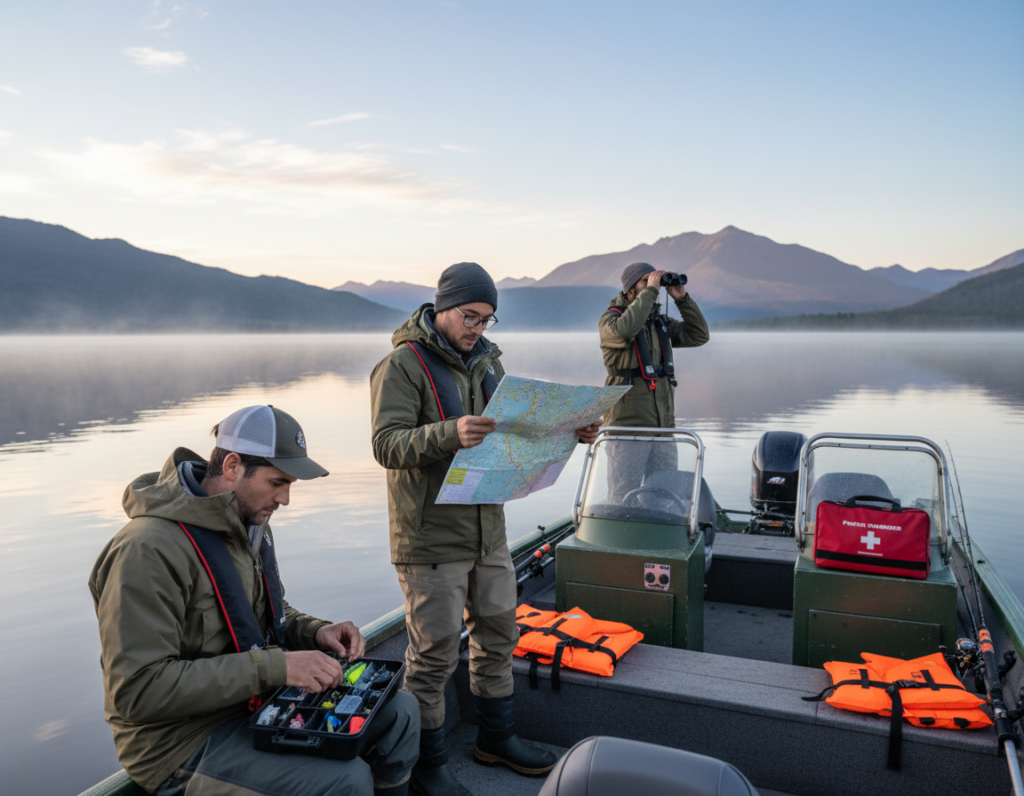
Healthy oceans start with smart choices. Communities, fishers, and regulators share a role in protecting habitats and keeping fish populations stable. Choosing the right seafood and methods today makes food and livelihoods viable tomorrow.
The MSC blue label helps shoppers spot seafood from certified fisheries that use sustainable fishing methods. Such labeling supports fisheries that monitor stocks, limit catch, and reduce bycatch.
Data-driven management and selective gear cut harm to species and ecosystems. When fishers follow clear rules and smart systems, the world gains resilient stocks and healthier marine life.
Reducing overfishing and improving gear matters. Better methods balance demand for protein with long-term health of the ocean, so people and nature both benefit.
The Vital Role of Healthy Aquatic Ecosystems
Aquatic habitats form the backbone of food security and the livelihoods of coastal communities.
More than 38 million people work in wild capture fisheries worldwide, so healthy ecosystems matter for jobs and daily food.
Healthy waters keep fish populations stable and support diverse species that sustain marine life and climate regulation.
- Food and protein: Many people rely on seafood as an essential protein source.
- Livelihoods: Fisheries and fishers depend on robust habitats for long-term economic stability.
- Balance: Good management systems preserve predator–prey balance and prevent stock collapse.
Supporting sustainable fishing and strong management helps protect habitats and resources. That ensures the ocean stays a reliable source of nutrition and life for future generations.
Understanding the Impact of Overfishing on Marine Life
When catch rates outpace reproduction, whole marine systems start to unravel. This section explains what drives population decline and why loss of species matters for people and coastal economies.
Causes of Population Decline
Overfishing removes wildlife faster than they can replace themselves. More than 35% of the world’s fisheries are now overfished, pushing many fish populations toward collapse.
- High demand: Billions rely on fish for food, driving intense harvest pressure.
- Industrial scale: Large operations increase catch while raising bycatch and habitat harm.
- Weak management: Gaps in rules and enforcement, especially in international waters, allow over-exploitation.
- Depleted stocks: Once fish stocks fall, coastal communities lose steady income and nutrition over time.
The Threat to Biodiversity
Losing a single species can ripple through a food web and alter the ocean’s balance. Declines reduce resilience, lower productivity, and make ecosystems less able to recover from shocks.
Sustainable fishing and stronger management, including clear regulations and science-based limits, are vital to protect habitats and restore fisheries. Together, these steps help secure food, livelihoods, and marine life for the long term.
Core Principles of Environmental Fishing Practices
Strong rules and clear limits help fisheries balance harvest today with abundance tomorrow.
Maintain healthy stocks. Science-based targets keep fish populations at levels that support steady harvests and resilient ecosystems.
Prevent overfishing. Limits and steady monitoring reduce collapse risk and protect long-term food and livelihoods for coastal communities.
- Selective methods: Use gear that lowers harm to non-target species and preserves seafloor habitats.
- Transparent management: Independent certification and open data build trust with buyers of seafood.
- Social sustainability: Protect jobs and local resources so communities stay economically viable.
Adhering to these core principles links science, policy, and industry action. Together they secure the ocean as a renewable source of food and resources for future generations.
Effective Management Systems for Sustainable Fisheries
Robust management frameworks let managers adjust catch limits as marine populations shift. These systems tie clear rules to science so decision-making stays precise and timely.
Science-Based Harvest Control Rules
Harvest control rules set trigger points that cut catch when fish stocks fall. They protect fish populations and reduce the risk of overfishing.
Good management relies on regular data collection. Scientists monitor size, maturity, and species mix to guide regulations. This lets fisheries respond before stocks collapse.
- Participation: Fishers must follow rules and use approved gear and methods.
- Scale: Proper systems could yield 16 million more tonnes of seafood each year worldwide.
- Local role: Community-led oversight combined with government action strengthens long-term sustainability.
When management is adaptive and science-based, fisheries support food, livelihoods, and healthy ocean ecosystems for people around the world.
Innovative Fishing Methods to Minimize Habitat Damage
Practical innovations in capture methods limit damage to seafloor areas and protect key species.
Selective Gear Modifications
Selective gear helps crews target desired fish while letting non-target species escape. Turtle excluder devices and escape panels cut bycatch and keep stocks healthier.
Protecting Seafloor Habitats
Gear that avoids heavy contact with the bottom reduces harm to coral and sponge gardens. Identifying vulnerable zones and closing them to trawls gives ecosystems space to recover.
Reducing Bycatch
Real-time monitoring and acoustic pingers help fishers avoid mammals and reduce incidental catch. Biodegradable materials in nets lower ghost gear risks and protect marine biodiversity.
- New gear and tech let fisheries adapt fast using data and management rules.
- These systems support livelihoods while allowing fish populations time to reproduce.
- Continuous refinement of methods cuts impact and builds long-term ocean resilience.
The Role of Data and Technology in Conservation
Timely data and modern tools let managers spot stock declines before communities feel the impact. High-quality data form the scientific basis for managing fish stocks and protecting marine ecosystems.
Real-time monitoring and blockchain traceability are changing how seafood is tracked from boat to market. These systems help confirm that a product comes from a sustainable fishing source and meet consumer demands for transparency.
- Set smarter quotas: Accurate catch records guide managers to set limits that protect fish populations and long-term food supply.
- Cut bycatch: Sensors and mapping tools let crews avoid zones where non-target species congregate.
- Improve gear: Data-driven research supports gear changes that target only the intended species and reduce habitat impact.
Consistent international monitoring and data sharing are essential to protect the high seas. As technology integrates into fisheries management, it will be a primary source for sustaining ocean health and resilient stocks.
Behavioral Science and Community-Led Solutions
Small social shifts can change how coastal people manage local marine resources. When neighbors agree on goals, they often adopt better methods faster than top-down rules alone.
Applying Behavior-Centered Design
Behavioral science explains why fishers select certain gear and routines. Programs like Rare’s Fish Forever use these insights to co-design solutions with coastal communities.
“Shifting from competition to cooperation lets communities protect species and secure livelihoods over time.”
Designs target real barriers. They make it easier to record catch, follow regulations, and choose selective gear. This human-centered approach boosts compliance and improves local management.
- Local ownership: Community rules and peer monitoring increase long-term buy-in.
- Visible norms: When many fishers act sustainably, others follow.
- Simple tools: Clear incentives and easy reporting use behavior change to protect fish populations and life in coastal waters.
Community-led systems are a key part of resilient fisheries. By aligning social incentives, data, and management, these approaches help secure food, seafood incomes, and healthy species for the future.
How Consumers Can Support Sustainable Seafood
Informed consumers can tip the balance toward supply chains that support long-term ocean health. They influence what the market supplies by choosing seafood from well-managed and certified fisheries.
Use trusted guides. Tools like Seafood Watch help shoppers learn which species are caught with sustainable fishing methods and which to avoid.
Reducing demand for overfished species sends a clear market signal. When people favor products that lower bycatch and protect habitat, producers and managers respond by improving gear, capture methods, and management systems.
- Support certification: Buy seafood from fisheries that meet transparency and science-based rules.
- Ask questions: Request information on origin, gear, and data-sharing to encourage better reporting.
- Vote with purchases: Choosing responsible fish helps scale sustainable fishing practices across the world.
“Every purchase is a vote for the type of fishing we want to see in the world.”
Consumer backing also matters at the policy level. The 17 Regional Fisheries Management Organizations regulate capture in international waters, and visible public support strengthens calls for stricter regulations and better data.
Small choices add up. By using guides, reducing demand for vulnerable species, and asking for transparency, people protect fish, food supplies, and coastal communities for the future.
Conclusion
A resilient ocean grows from practical measures taken on boats, in boardrooms, and at dinner tables. Combining science-based management, selective gear, and community-led solutions keeps fish populations productive and habitats intact.
Consumers play a key role by choosing certified seafood. Demand for responsible products encourages better reporting and fair rules for fishers.
Long-term success depends on cooperation among fishers, policymakers, and the public to implement clear regulations and protect vital areas.
Support for sustainable fishing practices helps reverse overharvest and secures seafood as a reliable food source for coastal communities and future generations.