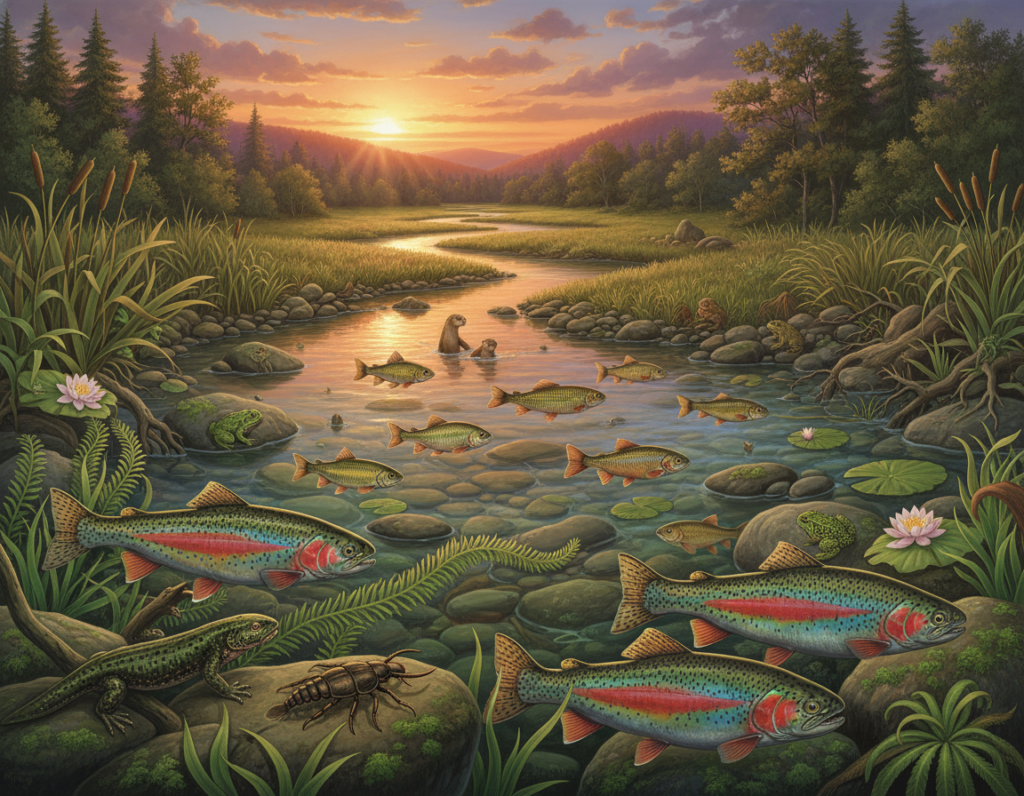
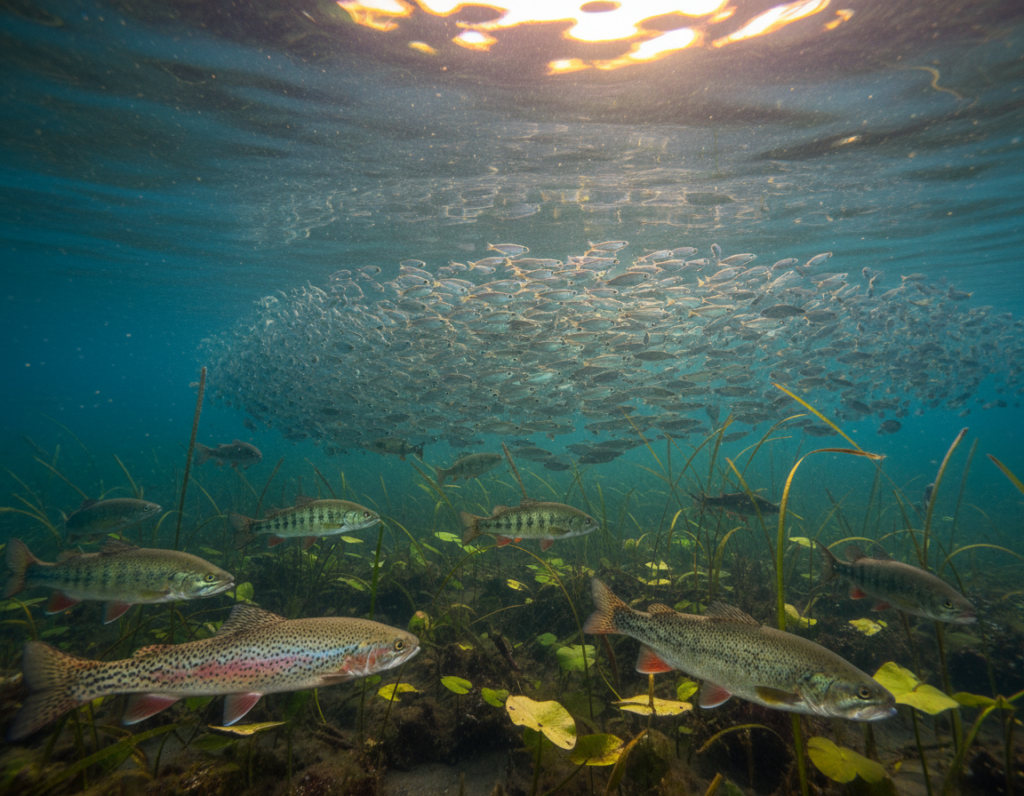
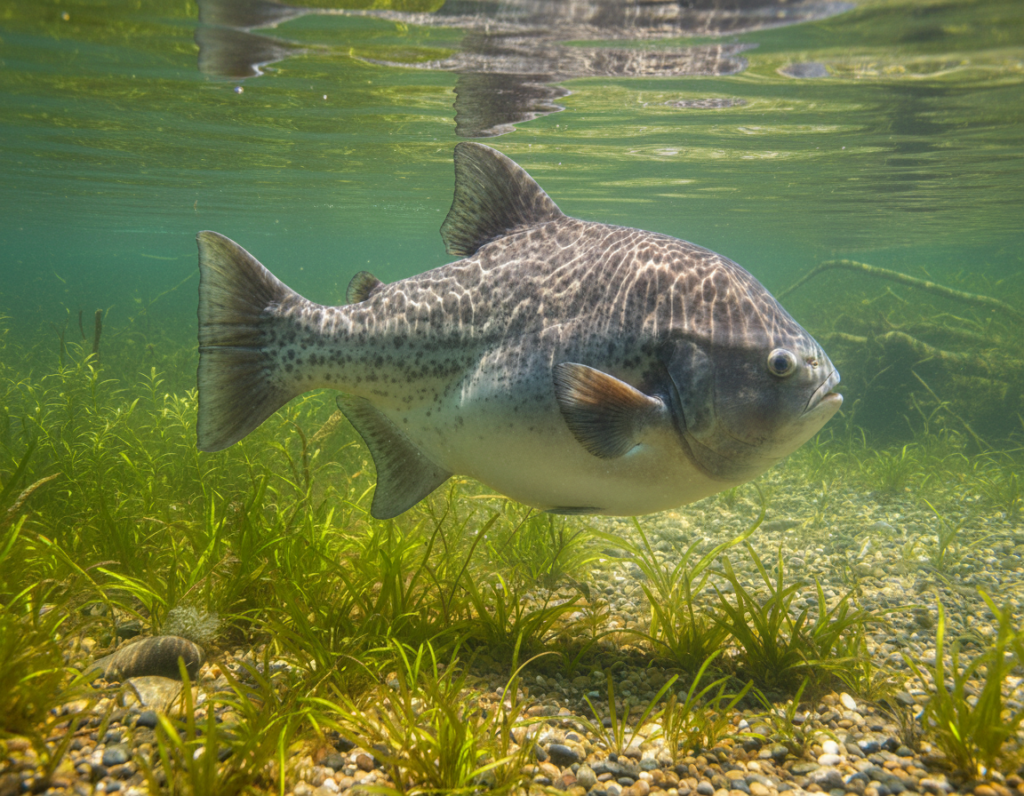
The diverse trout species that populate North American rivers and streams need very specific conditions to thrive. In cool, oxygen-rich freshwater, these fish find food, shelter, and the right temperature for growth and spawning.
From rainbow trout to brook trout and lake trout, each species relies on gravel beds, deep pools, and steady flow. These physical features help protect eggs and support insect life that serves as food.
As a keystone group, they shape food webs by eating insects and smaller fish while feeding larger predators. Their presence often signals clean water and healthy ecological areas.
Anglers value them for sport, using a fly rod and precise method to target wary individuals. Scientists and managers study populations to balance conservation with recreational fishing.
Understanding Trout Habitat Characteristics
Population types range from stream residents to sea-run migrants, each shaped by local water, food, and flow conditions.
Brown trout (Salmo trutta) often serve as an example of adaptability. They thrive in cold, oxygenated freshwater and appear in both high lakes and lowland streams.
Many types have been widely introduced outside native ranges. For instance, rainbow trout were introduced to Australia in 1894 from New Zealand, showing how human actions alter populations.
- Resident versus migratory forms determine where a fish spends most of its life.
- Brook trout and lake trout occupy distinct niches within rivers and lakes.
- Sea trout and other salmonids link river and coastal systems through seasonal movement.
Managing these species requires knowledge of life history, water chemistry, and food webs to sustain healthy populations and responsible fishing.
The Importance of Water Temperature and Oxygen Levels
Water temperature and dissolved oxygen set the stage for where coldwater fish can feed and spawn. These two factors work together to shape daily movement, growth, and survival for sensitive species.
Thermal Tolerance Limits
Trout generally thrive between 50–60°F (10–16°C). Outside that band, their metabolism slows or stress rises.
Brown trout and rainbow trout are especially sensitive to warming. Higher temperatures reduce feeding on insects and shift diet and behavior.
Oxygenation and Flow Dynamics
Cold, fast-flowing spots like riffles deliver oxygen-rich water that eggs and young need to develop. Constant flow keeps gravel clean and supports hatching.
Managers measure temperature and dissolved oxygen to protect populations. For guidance on monitoring water temperature, officials rely on established studies and field protocols.
- Cool pools and deep runs provide refuge at warm times of day.
- Flow variability controls oxygen supply to eggs and juvenile fish.
- Conservation focuses on maintaining cold-water patches in streams and lakes.
Essential Physical Features of Trout Streams
Stream structure drives behavior: oxygen-rich riffles, steady runs, and deep pools each serve different needs for coldwater species.
The Riffle-Run-Pool Pattern
Riffles are shallow, fast-flowing sections that boost oxygen and support aquatic insects. These spots help food production and are vital for feeding activity.
Runs link riffles and pools. They offer steady flow where fish conserve energy while moving and foraging.
Pools are deeper, slow-moving areas where larger fish rest and hide from predators. Pools also serve as refuges during warm periods.
- Gravel beds in runs and near riffles allow eggs to receive clean, oxygenated water.
- Size and depth of each feature shape which species and life stages use them.
- Maintaining natural stream form supports sea trout, rainbow trout, brook trout, and other salmonids.
Lifecycle Stages and Environmental Requirements
Successful development depends on precise timing and the right river spots for each life phase. Life stages—from egg to adult—require different micro‑sites and steady, clean water.
Spawning and Redd Construction
During spawning, females use body and tail to dig redds in clean gravel. These nests keep eggs oxygenated and shielded from silt.
Salmo trutta (brown trout) and other species time spawning to cool flows. Eggs need stable flow and low fine sediment to survive.
Juvenile Development in Gravel
After hatching, parr hide among gravel and small cobble. These spots supply refuge and insect prey needed in early years.
Survival depends on clean freshwater and good oxygen levels. Poor substrate or high silt reduces young fish success.
Adult Territorial Behavior
Adults defend feeding lies and prime spots in rivers and streams. Territorial fights preserve access to food and shelter.
- Examples of size variation include the 32.65 kg lake trout caught by Lloyd Bull in 1995.
- Sea trout and rainbow trout shift physiology to move between freshwater and the sea.
- Understanding life stages helps anglers use the right fly and method for each period.
Dietary Habits and Foraging Environments
Feeding behavior in cool streams shifts with size, season, and available prey. Young fish feed mostly on aquatic insects and small crustaceans near riffles and shallow runs. These items support fast growth in early life.
As individuals grow, diet changes. Once a brown trout or rainbow trout passes about 300mm, it often targets other fish and becomes largely piscivorous. This shift alters hunting style and the places it patrols.
Sea trout and other migratory species adapt their diet when they move between the sea and freshwater. They exploit whatever food sources offer the best energy reward in each zone.
Anglers use this knowledge for better fishing. Observing surface takes or deep strikes helps pick the right fly or flies. Food availability also drives growth rates and overall health of populations.
- Key roles: predators regulate smaller aquatic species and balance food webs.
- Foraging zones: surface sipping, midwater chasing, and deep-pool ambushes.
- Management: preserve diverse prey and structure to sustain healthy species.
Impact of Climate Change on Native Populations
Rising stream temperatures are already reshaping where coldwater fish can live and reproduce. Warmer water reduces oxygen and raises stress during critical life stages.
Eggs and young are most at risk. Even small temperature increases can cut survival of eggs and fry. Managers report reduced recruitment in many upland rivers.
Threats from Rising Temperatures
Higher heat forces many populations to shift upslope or into smaller refuges. That reduces available range and fragments groups.
- Brown trout (Salmo trutta) show strong sensitivity when cold pools shrink.
- Combined pressure from fishing and warming accelerates local declines of rainbow and other salmonids.
- Warm‑tolerant, widely introduced species may outcompete natives and change food webs.
- Monitoring populations and protecting cold patches in streams is essential to conserve eggs and adults.
Conservation now focuses on preserving cool reaches, restoring riparian shade, and reducing other stressors. These actions increase the chance that native species persist as climate shifts.
Best Practices for Sustainable Angling
Smart fishing choices reduce harm to vulnerable life stages and help sustain diverse trout species.
Use light gear and gentle technique. A 4–8 lb test line and a proper rod let an angler land fish quickly with less stress to the body. Barbless hooks and quick unhooking cut handling time and raise post‑release survival.
Avoid known spawning areas and gravel beds when eggs are developing. Stepping back from redds and low‑flow pockets protects eggs and juvenile fish.
- Match flies to local insects and natural food to reduce wasteful strikes and improve success.
- Keep caught fish in the water while removing hooks; minimize air exposure.
- Respect territorial behavior in rivers and lakes to limit stress and displacement of populations.
Education, steady stewardship, and modest limits on fishing maintain healthy freshwater areas. Whether targeting brown trout or rainbow trout, anglers who follow these methods help ensure healthy fish and vibrant waters for years to come.
Conclusion
, Conserving cool, oxygen-rich reaches ensures these species persist for generations.
Protecting the key places that support trout and sea trout is essential to maintain healthy fish populations and thriving river systems.
Clean water and diverse food sources help rainbow trout, salmon, and other species complete life stages and sustain numbers.
Practical steps—riparian care, smart angling with a fly and catch‑and‑release, and local stewardship—keep rivers resilient.
Anglers and conservationists alike play a role. Their choices today shape whether future generations can enjoy wild fish and vibrant streams.