Efficient tackle organization helps anglers save time and spend more moments on the water. Today, clear storage and neat boxes make it easy for any angler to find a lure or terminal tackle in seconds.
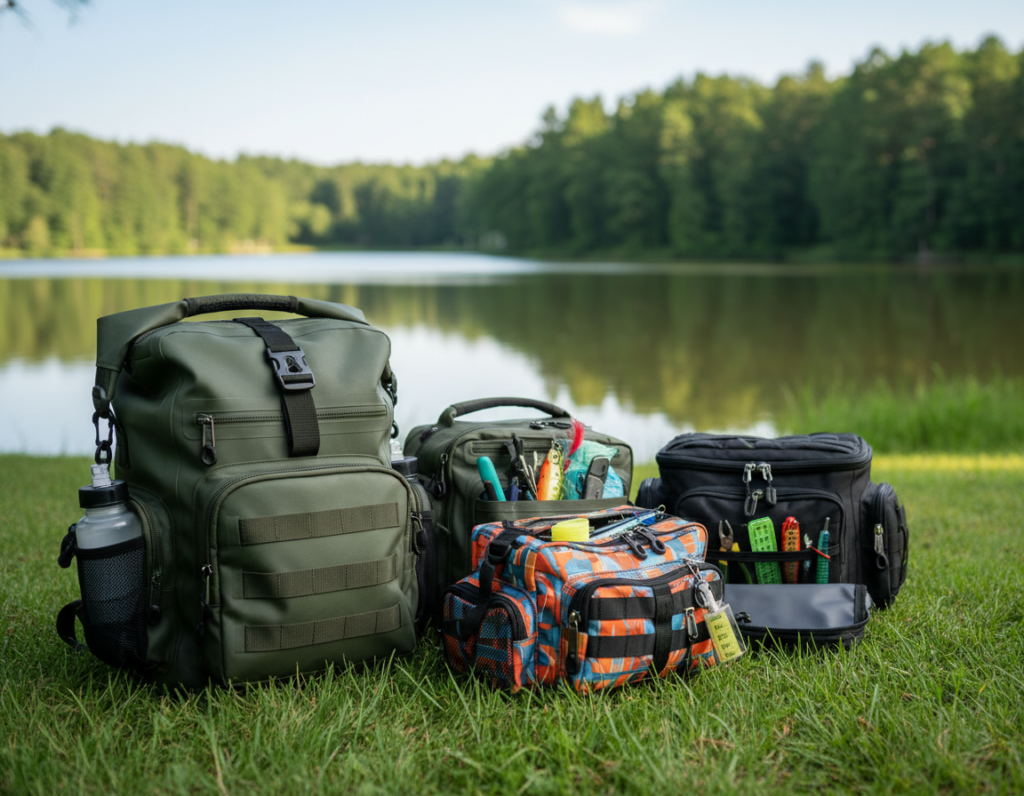
Using quality tackle bags from brands like Shimano keeps lures, plastics, and baits together in one bag. This simple way of sorting gear protects fishing tackle and reduces lost items that pollute waterways on a fishing trip.
Organizing tackle so favorite boxes match target species means fewer swaps and faster casts. These tips improve storage, make the trip smoother, and help you catch fish more often.
Small systems, smart packing: categorize by lure type, keep terminal tackle handy, and use durable plastics for long life. That approach turns every fishing trip into a more productive, enjoyable experience.
The Importance of Effective Tackle Organization Strategies
A thoughtful system for storing lures, baits, and plastic containers reduces stress and speeds up every fishing trip. When an angler can grab the right item in seconds, they spend more time on the water catching fish and less time searching through a messy box.
Organized gear improves focus. Studies on outdoor recreation note that fishing today delivers mental health benefits like reduced stress and clearer attention. A tidy tackle box or a durable tackle bag makes that benefit easier to reach.
Proper sorting prevents tangled lines and lost lures. It also gives anglers a small but steady sense of accomplishment that makes each trip more enjoyable.
“A well-packed bag keeps equipment ready and protects expensive fishing tackle for years.”
- Keep frequently used lures and baits in the top compartments.
- Store soft plastic in sealed containers to avoid mess.
- Invest in a quality box or bag to protect gear and save time.
For step-by-step methods, see this guide to organize your tackle and adopt tips that match your boat or shore setup.
Categorizing Your Fishing Gear for Rapid Access
Sort gear by target species and technique to cut search time and make every cast count. A clear system keeps lures and hooks where they belong so anglers spend less time digging and more time fishing.
Sorting by Species and Technique
Use Plano 3640 and 3440 boxes to separate items by species and method. These boxes fit hooks, jig heads, and lures in neat compartments.
Color-code boxes or bag labels so the right box is obvious at a glance. Picking the right size box maximizes storage and speed when on the boat.
Managing Soft Plastics and Terminal Tackle
Keep soft plastics in heavy-duty 2-gallon zip-lock bags to avoid mess and odor. Store bags flat inside a larger box or bag for quick access.
Separate terminal tackle—split shots, swivels, and jig heads—into dedicated compartments. This prevents tangled items and saves precious time when changing rigs.
- Sort by species and technique with Plano boxes for fast retrieval.
- Use color-coding to tell baits apart at a glance.
- Keep tools like pliers in the same box so they are always in place.
Selecting the Right Storage Solutions for Your Boat or Bag
Good storage keeps gear dry, visible, and ready. Choosing the correct box or bag reduces downtime and protects hooks, lures, and terminal tackle. Small changes in size and style make a big difference on the water.
Benefits of Transparent Containers
Transparent boxes let anglers spot the right lure or baits at a glance. That visibility saves time when conditions change or a quick rig swap is needed.
Clear compartments also help maintain color sorting and prevent the issue of mixed plastics and hooks.
Utilizing Waterproof Boxes
Waterproof boxes like the KastKing Hyper Seal protect items from rust and moisture. They often include a silica pack to keep terminal tackle and hooks dry.
Durable seals mean less corrosion and longer gear life, especially for saltwater fishing on a boat.
Advantages of Rolling Tackle Systems
Rolling systems ease transport when anglers carry multiple bags and heavy gear. Wheels and padded straps reduce strain and speed setup on shore or dock.
Select the right size box for your bag so tools, spare hooks, and boxes stay secure without shifting.
- Use clear containers for fast visual checks.
- Choose waterproof boxes to prevent rust and water damage.
- Consider rolling systems for easy movement between parking and boat.
For more practical boating storage advice, review these boating storage tips.
Maintaining Your Tackle for Longevity and Performance
A little maintenance after each outing prevents costly corrosion and keeps gear performing. Quick checks and simple cleaning make a big difference for any angler who wants reliable items at the next cast.
Preventing Rust and Corrosion
Inspect the box and lures for damp spots before storage. Wet hooks and terminal tackle left inside a wet bag or box invite rust fast.
Use silica packs in waterproof boxes to absorb moisture. KastKing Hyper Seal boxes use a sealing ring on the lid to reduce rust and protect fishing tackle.
Clean hooks and hard baits after each trip with fresh water and a light wipe. Dry soft plastics and separate them by species or sizes so damaged items are easy to spot.
- Check for wet items each time gear is packed away.
- Use silica packs and sealed boxes to keep water out.
- Store by color or species to find what needs replacement fast.
“Keep your tackle box dry and clean; small steps preserve gear and save time on the water.”
Conclusion
When lures and tools are in the right box, anglers get more casts and fewer delays. A tidy tackle box and well-packed bags cut prep time and sharpen focus on the water.
Keeping gear dry, labeled, and easy to reach is a simple way to save time and reduce stress. These storage tips help an angler protect fishing tackle and spend more moments to catch fish today.
Start small: sort a single box, add a silica pack, and carry one bag next trip. A well-maintained box signals a serious angler who values gear, time, and the sport.