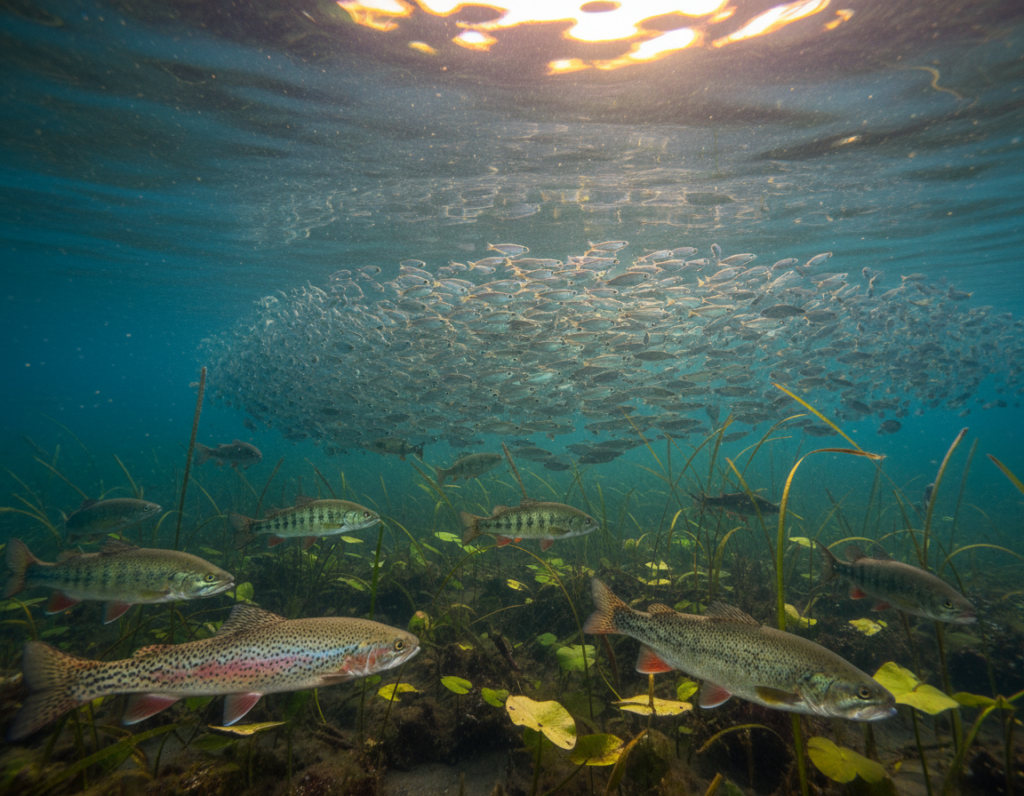
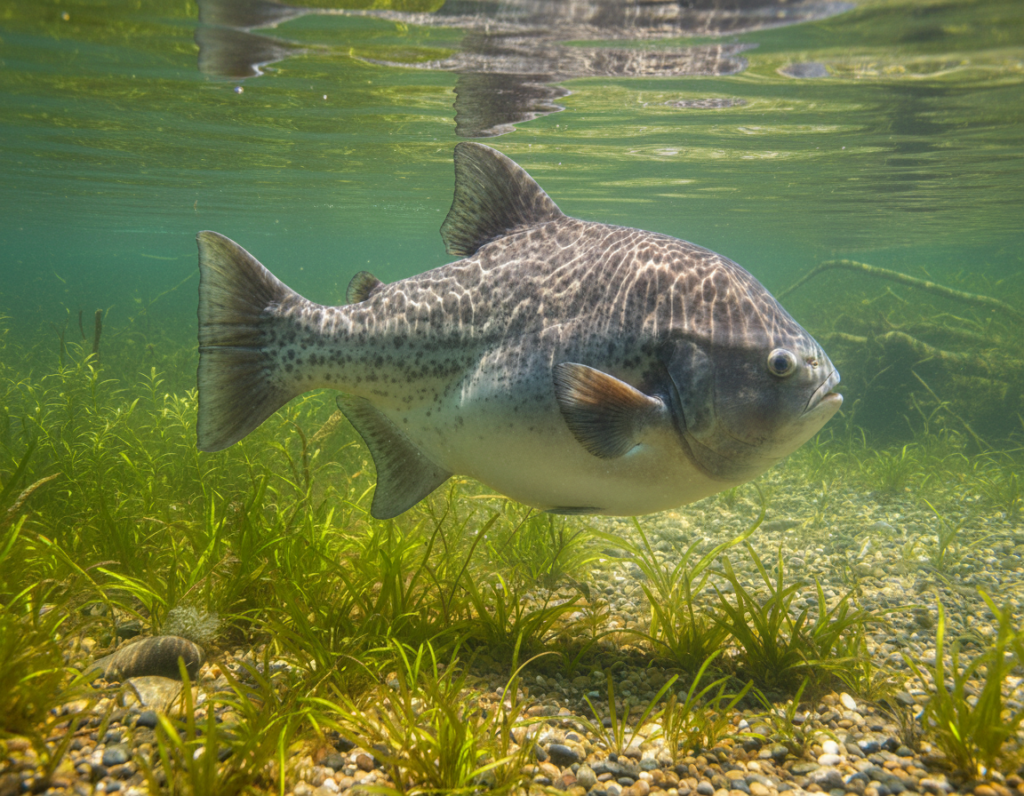
Smallmouth bass fishing has risen from a local passion to a national pursuit. Anglers who fish rivers and lakes study how changing water and light shape movement through the year.
These fish favor rocky river beds and clear lake basins. They often hunt baitfish and respond to different lures and rigs as temperatures shift.
Fall marks a key period when they feed aggressively to bulk up for winter. Savvy anglers use magnum baits, plastic lures, and heavier jigs to reach trophy size fish in deep water and rock structure.
Success comes from timing and technique. Understanding seasonal casting tactics and matching bait to forage helps anglers land more—and often larger—fish across the Great Lakes and inland rivers.
Understanding Smallmouth Bass Activity and Behavior
River currents and lake thermoclines shape how this predator moves and hunts through the year. This introduction frames why anglers study habitat, timing, and prey to improve success.
Biological Traits and Environmental Adaptability
The smallmouth bass is a resilient species that thrives in cool, flowing water and clear reservoirs. In the Ozarks it serves as a top predator and ecological counterpart to the largemouth bass.
Nesting males create guarded zones that become micro-ecosystems. Other fish, like longear sunfish and orangethroat darter fry, shelter near nests for protection.
Forage Preferences and Feeding Habits
These fish eat a wide range of prey, from crayfish to baitfish. They often ignore the myth that they only take tiny baits.
Anglers who study feeding patterns know they will strike large plastic lures and substantial bait. In summer, metabolic shifts change how and when they hunt for energy.
- Adaptable predator across habitats
- Nesting creates refuge for other species
- Varied diet includes crayfish and baitfish
Seasonal Migration Patterns in Freshwater Lakes
Each season drives predictable moves across lakes, sending schooling fish to new depths and structure.
In northern waters, adults gather in 10 to 20 feet from April through June for spawning. During that time, anglers find them on flats and rocky humps near shallow beds.
By summer the population shifts outward. Many hold on deeper structure in the 20 to 25 foot range and later move down to about 35 feet by August.
Time of day and light change where they feed. Early morning and late day often push fish toward edges of flats and rock areas. Midday heat drives them toward humps and deeper rock ledges.
Fall migration sends most from shallow shoals to slower, deeper water as they prepare for winter. They commonly remain within five feet of the bottom to feed on gobies and other forage.
Tip: In clear water during spawn and post-spawn, many anglers switch to fluorocarbon to reduce line visibility and improve hookup rates.
Riverine Movements and Fall Feeding Habits
As water cools, riverine populations shift from shallow riffles to hard current edges and deep pools. This movement often covers long distances on big systems, with fish relocating from summer flats to winter-ready holes.
Anglers can spot likely holding areas by watching for schools of suckers or crayfish. Those prey concentrations signal where predators focus their feeding.
Targeting Deep Pools and Current Edges
Presentation matters at the river bottom. A bottom-contact rig tied to a fluorocarbon leader helps present jigs and plastic lures where fish sit near the substrate.
Large lures—streamer-style baits and realistic crayfish imitations—work well in fall when fish bulk up on baitfish and larger prey.
- Watch sun angles and day length for bite windows.
- Fish closest to main current edges and upstream pockets for the most aggressive specimens.
- Patience wins: hold spots and make repeated, confident casts.
For further river-specific tracking tips, consult a detailed guide on tracking movements in major rivers like the Mississippi at tracking river smallmouth.
Essential Gear and Bait Selection for Success
Choosing the right gear and baits shortens the learning curve and boosts catch rates on rivers and lakes. This section lays out practical tackle choices and presentation tips for consistent results.
Soft Plastic Techniques
Soft plastics shine when worked near the bottom. Use soft plastic grubs or tubes on 1/8- to 1/4-ounce jigheads to match local forage.
A Ned Rig is a versatile option to drag or hop a bait and imitate natural crawfish or minnow movement.
Topwater Strategies
Topwater baits like the Whopper Plopper 90 excel in summer when fish feed near the surface. A light spinning rod and steady retrieves create explosive strikes.
Spinnerbait Applications
For streams, 1/4-ounce spinnerbaits and small grubs are staples. Proper casting and a crisp retrieve let the blade and thump trigger aggressive strikes in stained or clear water.
In clear conditions, pair a light-powered spinning setup with a fluorocarbon leader for cleaner presentations and better hookups.
- Pro tip: Match bait size to forage; magnum baits often pull the largest specimens.
Locating Trophy Fish Through Electronics and Mapping
High-resolution charts and sonar change how anglers search large water for trophy specimens. Modern mapping software makes it possible to spot isolated rock piles, reefs, humps, and flats fast.
Good electronics with mapping help identify exactly where fish hold in relation to the bottom. Most big fish will sit within five feet of the substrate, so clear sonar returns are essential.
Interpreting sonar separates fish from rock and vegetation. Learning to read arches, marks, and shadows lets anglers target the best areas rather than random casting.
- Use mapping to find rock points, reefs, and deep humps across lakes.
- Mark depth ranges and dropoffs so bait reaches fish holding near the bottom.
- Scan large areas quickly to locate active zones and productive structure.
Success often comes down to practice with gear and charts. When anglers pair mapping with controlled presentations, the odds of finding true trophy size fish rise significantly.
Advanced Tactics for Clear Water and Deep Structure
In clear, deep water, presentation and patience beat flashy retrieves when targeting wary fish near rock piles.
Long, light fluorocarbon leaders reduce line visibility and let baits sit naturally near the bottom. Anglers run 6–10 foot leaders on spinning rigs or switch to a thin leader when fly fishing.
Slow, deliberate movement outperforms fast action around deep structure. A slow hop or dead-drift keeps the bait in the strike zone and entices fish that guard rock edges and deep humps.
Use specialized rigs—drop-shot setups and bottom-contact flies are ideal for presenting crayfish and baitfish patterns just above the substrate. Match jig head weight to reach 20–35 feet where fish hold in fall.
Precision matters in rocky areas. Cast to a single seam or rock band and let the bait rest. Repeat confident casts to the same spot rather than covering water.
- Keep bait deep and moving slowly during the day.
- Adapt retrieves to rivers and lakes; fall tactics favor bottom presentations.
- Whether using spinning gear or fly rigs, maximize time in the strike zone.
For fly-specific tips on targeting wary specimens, refer to a focused guide on techniques at fly fishing for smallmouth.
Conclusion
Mastering seasonal movement means reading water, weather, and forage cues across every lake and river stretch. Anglers who pair mapping and electronics with careful observation find more consistent results.
Choose gear that matches prey size and water depth. Soft plastics, specialized rigs, and precise leader choices help land trophy fish in both summer and fall.
Patience and adaptation remain central. Watch shoreline seams, interpret sonar marks, and repeat confident presentations rather than covering water aimlessly.
Whether new or experienced, applying these tactics improves success on United States rivers and lakes. Smallmouth and bass anglers who learn migration and feeding patterns will catch bigger, smarter fish.
Meta: Conclusion on seasonal migration, electronics, gear selection, and tactics to improve fishing outcomes in rivers and lakes.