More than 50 million Americans head to lakes, rivers, and coasts each year seeking the thrill of a tug on the line. In that pursuit, the right choice of gear and setup matters as much as skill.
The first step is matching tackle to the water and the species being targeted. A light rod and spinning reel suit small freshwater fish, while larger species need heavier line, stronger hooks, and a sturdier rod reel combo.
Beginners often start with a simple combo to learn casting, knot tying, and bait presentation. More advanced anglers weigh options like monofilament lines, leader material, lure size, and hook weights to improve performance.
Practical advice: prioritize comfort and ease of use. Choose gear that fits local water type and the fish you expect. That approach saves time and increases bites on the line.
Understanding Your Fishing Environment
Understanding local water and weather patterns helps anglers pick gear that performs where they fish.
Freshwater Considerations
In lakes and rivers, many anglers favor medium-action rods for versatility. A medium rod supports a range of fish and bait sizes while offering balanced casting and control.
Beginners often choose a spinning reel and a simple setup that handles common lures and live baits. Durable line and a basic leader make knot tying and hook presentation easier.
Saltwater Durability
Saltwater places extra stress on gear. Sand and salt cause corrosion, so reels and rod components made of graphite or stainless steel last longer.
Saltwater rods tend to be longer—often 7 to 8 feet—to improve casting distance. The reel must deliver smooth action and strong drag to fight larger fish.
Maintenance tip: rinse rods, reels, lines, and terminal tackle with fresh water after every trip. Store hooks and tackle in a quality box to prevent damage and extend the life of the equipment.
Selecting Fishing Equipment for Your Target Species
Different species demand different tools: a river bass needs a different rod than an open-ocean tuna. For many inshore trips, medium-heavy power setups handle redfish, seatrout, and snook well.
A versatile fishing rod with moderate action is a smart start for a beginner who wants variety. It gives good casting control and works with a range of lures and baits.
When anglers hire a guide, they learn to match a rod reel combo to fish size. For larger gamefish, upgrade to heavier rods and a stronger reel to stand up to long fights.
- Use the right hooks, bait, and line to present offerings naturally.
- Master one setup before adding more rods, lures, and tackle.
- Study species behavior to refine casting and lure presentation.
Note: always check local regulations; some waters restrict certain hook or bait types.
Matching Rod and Reel Combos to Your Needs
A well-matched rod and reel make casting, hookups, and fights feel easier and more predictable.
Spinning Versus Baitcasting
For most beginners, a 6–7 ft medium power, fast action spinning rod is the industry standard. It offers sensitivity and control across many species and lure types.
Spinning combos reduce backlashes and simplify casting. Baitcasting setups give more control for heavier lures but require practice from the angler.
Understanding Rod Action and Power
Action describes how much the blank bends. Fast action concentrates bend near the tip for better hooksets and longer casts.
Medium power balances strength and feel. Avoid heavy-power rods at first; they mask small bites and tire the user more quickly.
Balancing Reel Drag
Set drag so the line can pay out under steady pressure. A smooth drag protects the line and helps land larger fish without breaks.
Practical tips: a 5.2:1 gear ratio suits many bass tactics, and rods made with 24T carbon fiber stay light yet strong for surprise hard runs.
- Budget combos often range $50–$150; tournament gear can cost thousands.
- Match leader and line type—monofilament or braid—to water clarity and target species.
- Maintain rods and reels to keep performance reliable over time.
Choosing the Right Fishing Line for Success
A well-chosen fishing line changes how a rod and reel perform on the water. It affects cast distance, lure presentation, and the chance of landing a hooked fish.
Comparing Monofilament, Fluorocarbon, and Braid
Monofilament remains the classic pick for beginners. It is affordable, easy to knot, and offers helpful stretch for shock absorption. For trout, perch, and light bass, 4–8 lb monofilament is a practical starting range.
Fluorocarbon is denser and nearly invisible underwater. Anglers use it in clear water or when fish are wary. It also makes an excellent leader when paired with stronger main lines.
Braid delivers exceptional strength and near-zero stretch. It works best around heavy cover or when targeting large fish. Many experienced anglers run a braided main line with a fluorocarbon leader to blend sensitivity and stealth.
- Match line strength to the rod power to avoid breakage during a fight.
- Store spare lines in a cool, dry box to prevent UV and heat damage.
- Regularly inspect lines for nicks or abrasions as part of routine tackle care.
Deciding Between Artificial Lures and Natural Bait
Choosing between live bait and artificial lures hinges on target species, water clarity, and how much time an angler has. Natural bait, like worms or minnows, often gets quick strikes from hungry fish, and it is a solid path for beginners who want reliable results.
Artificial lures give anglers range and variety. Well-chosen lures let them cover more water and mimic specific prey. Durable options—such as crankbaits and spinners—can handle many casts and many fish when used with correct technique.
- Mix both: keep a blend of live bait and lures in the tackle box for flexibility.
- Short on time: live bait is often the faster route to bites.
- Learn a few lures: focus on presenting a few proven options before expanding a collection.
The Gonex kit of 64 handcrafted flies shows how artificial patterns can mimic natural insects and fool multiple species. For more background on choosing between both approaches, consult this artificial vs natural bait guide.
Essential Accessories for Every Angler
Every angler benefits from a compact set of accessories that keep time on the water productive and safe.
Tackle Storage Solutions
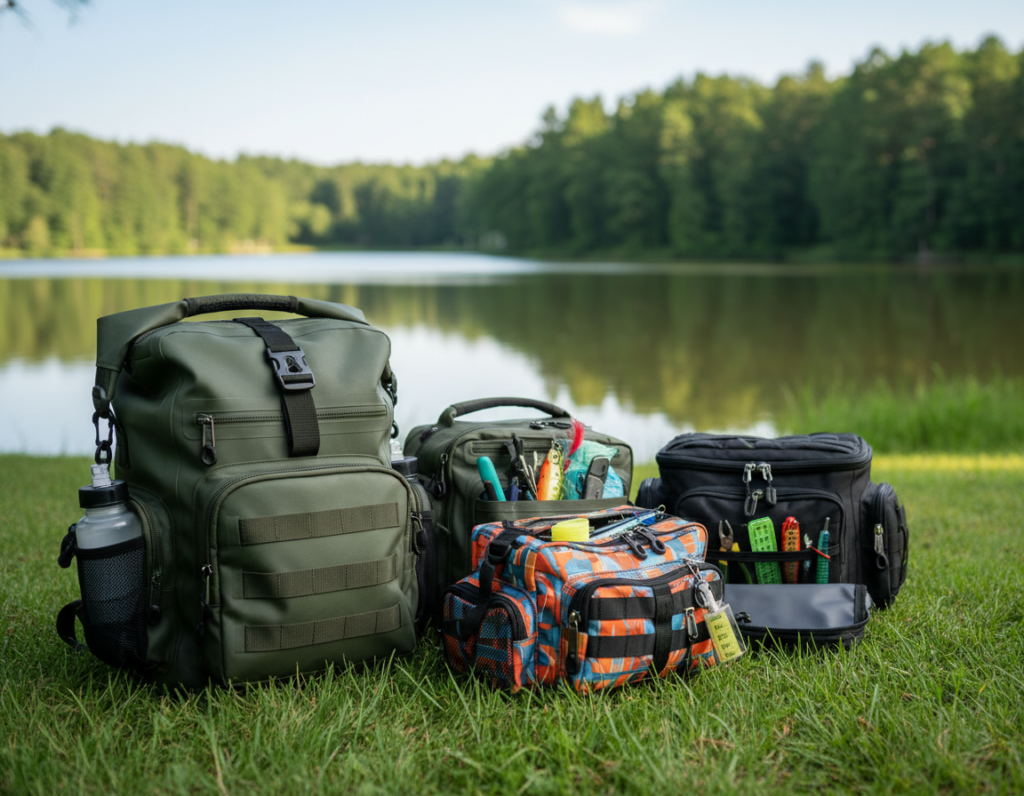
A high-quality tackle bag protects rods, reels, and small tackle from rain and abrasion. The Gonex bag uses 420D anti-tear polyester and a waterproof coating to keep gear dry.
Choose a tackle box with adjustable dividers. It lets an angler sort hooks, weights, and lures by size. Keeping fishing line and spare leaders organized saves time on the bank.
Safety and Maintenance Tools
Safety items are non-negotiable. A U.S. Coast Guard-approved life jacket must be on board for every boat or kayak trip.
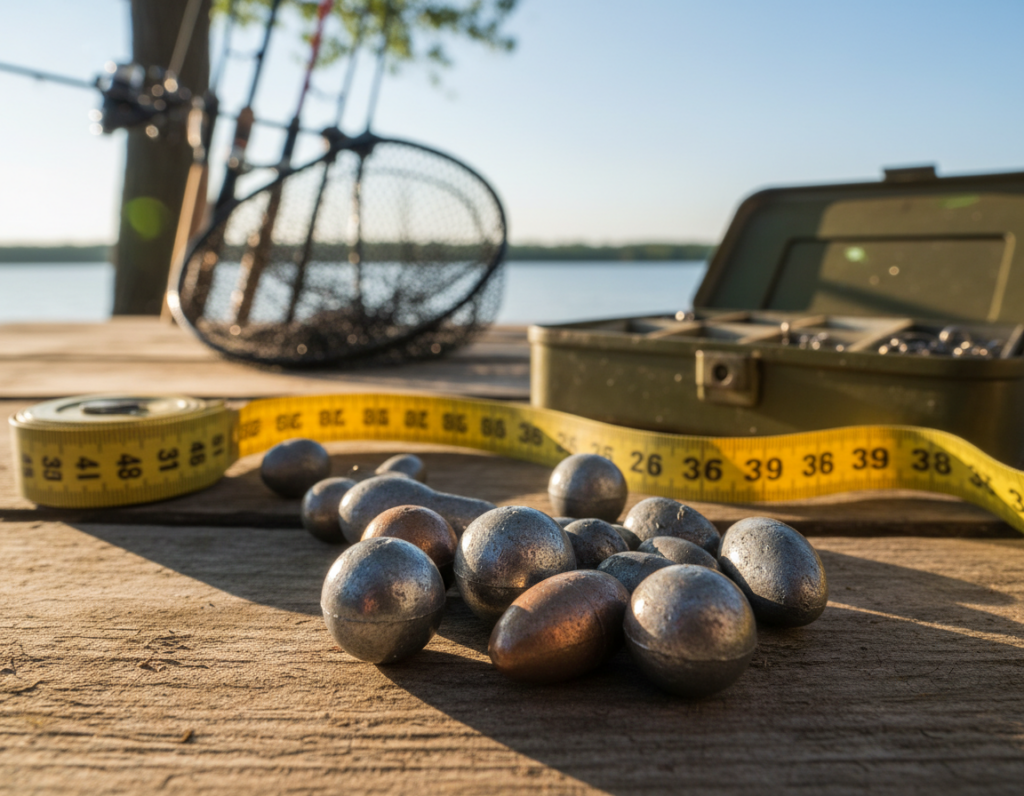
Carry a sharp 7–9 inch fillet knife with a German stainless steel blade and a 2-stage sharpener to maintain peak performance. Pliers and a landing net help remove hooks safely and secure a fish at the net.
- Keep all essentials in one accessible box so anglers spend more time on the water.
- Store pliers, a sharpener, and spare line together for quick repairs.
- Regular maintenance extends the life of rods, reels, and other fishing gear.
Conclusion
Practical preparation, clear choices, and steady care make time on the water more productive.
Anglers should match rod, reel, and line to local conditions and target species to reduce frustration and boost success. Beginners benefit from a versatile spinning combo and a small, well-organized set of lures and live bait.
Regular maintenance—rinsing gear with fresh water and storing tackle properly—protects investments and keeps performance reliable.
With simple tools, steady practice, and attention to fish behavior, any angler can learn to adapt across environments and enjoy more consistent results.