Proper gear choice had guided many guided trips and tournament runs. Tom Rowland, a professional guide and podcast host, stressed that the right tool kept fish healthier and improved release outcomes.
Saltwater anglers needed gear that fit the scene. In shallow flats a wide, shallow frame worked best. Offshore work called for longer handles and deeper bags to manage bigger fights.
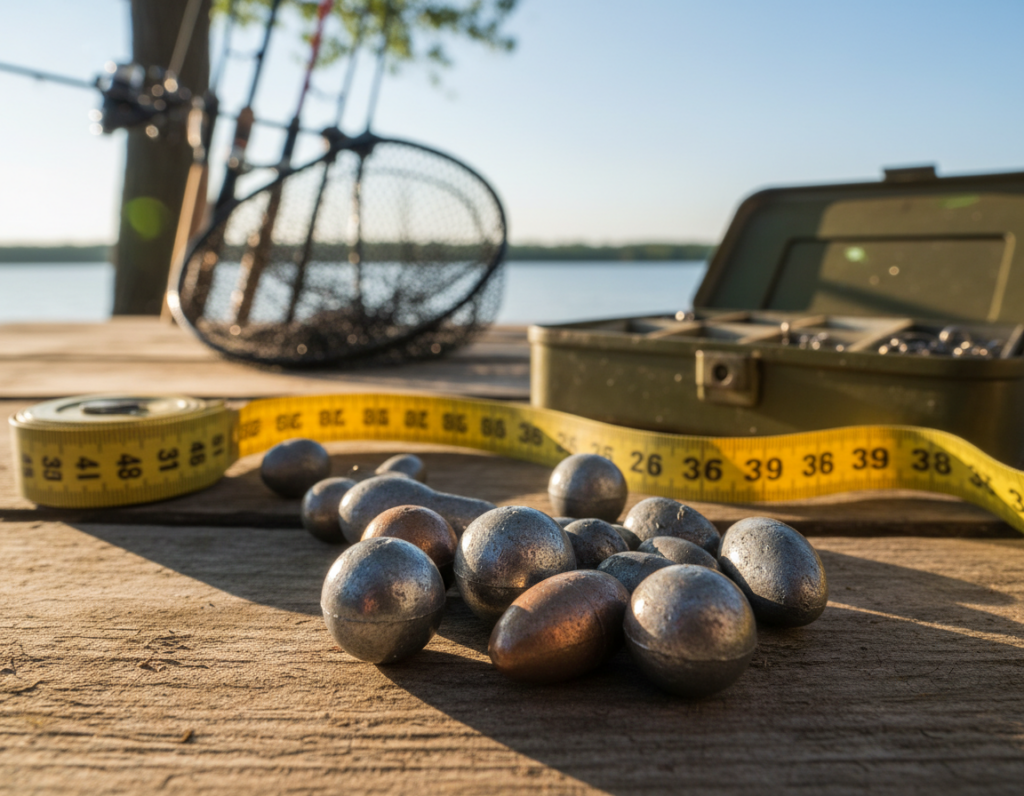
The Frabill Powerstow Net was highlighted for its fold-and-telescope design, which made it easy to store on small boats. An 18×44 size often hit the sweet spot for species from cobia to permit.
Choosing the correct size and style reduced fight time and stress, which helped conservation of permit, bonefish, and redfish. Every angler who cared for catch-and-release outcomes kept these facts in mind.
Why Landing Nets Matter for Conservation and Success
A properly used landing net can shave crucial minutes from a long fight and cut stress on a hooked fish. Tom Rowland noted that shortening a battle with a big permit can reduce fight time by about fifteen minutes, which directly improves survival after release.
Professional tournament anglers rely on careful net use to secure scoring fish. Conservation-minded anglers depend on gentle netting to protect slime, fins, and vital energy reserves.
Some offshore species, like certain cobia, go motionless in a soft bag, which makes safe handling easier. At the same time, experts warn against using a net on barracudas, sharks, or kingfish because their teeth will shred mesh and endanger the catch.
- Reduce exhaustion: Proper use landing net shortens the fight.
- Protect fish: Soft, fish-friendly nets improve release rates.
- Know limits: Avoid netting species that can damage gear or hurt handlers.
“Using a net for conservation starts with proper technique and the right tool for the species.”
Essential Landing Net Selection Tips for Every Angler
Choosing the right hoop or bag design changes how anglers handle a hard-fighting fish on any trip. A clear match between boat storage and gear reduces deck clutter and speeds up every encounter.
Hoop Versus Bag Designs
Hoop designs are circular and often easier to swing quickly into the water. They work well when speed matters and the target species is moderate in size.
Bag designs offer deeper capacity, which secures larger fish and reduces thrashing. The Trophy Haul shows how a non-folding, heavy-duty build can serve high-volume outings.
Assessing Portability Needs
Anglers on small skiffs must weigh hoop diameter against hatch space. The Frabill Powerstow’s fold-and-telescope mechanism lets a large frame fit compact storage, which helps keep the deck clear.
- Handle: Choose a durable handle length that reaches fish without overextending from the boat.
- Mesh & material: Pick a mesh that protects fins and resists snags.
- Weight & size: Match the gear to the user’s strength and the planned fishing environment.
Matching Net Size to Your Target Species
Match the hoop and bag dimensions to the species you chase to avoid awkward moments at the boat side. Proper size reduces fight time and keeps fish healthier after release.
Saltwater anglers often follow Tom Rowland’s range. He recommends 18×44 to 18×50 frames for permit, bonefish, and redfish. Larger 20×55 models exist but can be bulky on small skiffs.
Scaling for Freshwater Versus Saltwater
Freshwater fishing for trout favors smaller, agile gear such as 14×40 or 16×44 sizes. Those frames work well in tight streams and during fly fishing.
The handle length should be scaled to fish size and fishing style. A long handle helps from a boat, while a short handle aids wading control.
- On a boat: balance size with storage and reach.
- In streams: prioritize maneuverability and quick scoops.
- Carry options: owning two frames covers most species and situations.
For more on mesh and fit, see this mesh size guide.
Evaluating Netting Materials for Fish Safety
A single scoop with the wrong mesh can remove a fish’s protective slime and invite infection. Choosing the right materials matters more than many anglers realize for long-term survival after release.
The Dangers of Knotted Mesh
Knotted mesh can split delicate fins and abrade skin. Thin, knotted threads catch scales and strip slime during frantic handling.
Benefits of Rubber Coatings
Rubber-coated nets provide a smooth surface that reduces tangles and protects hooks. Rubber is easiest on the fish and speeds handling time during fishing and release.
Protecting the Slime Layer
Knotless mesh offers a durable, fish-friendly alternative that prevents hook tangles and limits damage. Tournament anglers prefer knotless or rubber materials to keep catches healthy for quick return.
- Evaluate materials: Prioritize rubber or knotless mesh for fragile species.
- Reduce handling: Smooth surfaces cut contact time and stress.
- Commit to conservation: The right mesh improves post-release survival.
“Use knotless or rubber netting to protect fins and slime for better release outcomes.”
Choosing the Right Handle Length for Your Environment
Handle length can make or break a clean scoop when a big fish turns at the last second. A longer handle—an extra 38″ or similar—adds reach from a boat or from shore. That reach helps in saltwater fishing and when working larger species without leaning over the rail.
Short handles give better control in tight water. For fly fishing on small streams or when chasing trout, a compact grip lets the angler place the net precisely and avoid snagging vegetation.
Materials matter. Fiberglass offers durability, while carbon provides superior strength and a lighter feel for long days on the water. Ergonomic handles reduce fatigue and improve hold during repeated use.
Choose handle length based on species and style. Longer options suit bass and larger walleye from a boat. Shorter options suit wading and tight technical techniques.
- Balance reach and maneuverability: avoid overreaching.
- Maintain your handles: rinse after saltwater use to extend life.
- Match to species: pick length that fits typical catches and setting.
Comparing Folding Mechanisms and Storage Solutions
Some folding systems use reinforced pivots so a heavy catch won’t twist handles or fail at the hinge. That engineering focus matters when space is tight and strength is required.
The Frabill Powerstow combines a compact fold with a sturdy frame that has landed fish over 100 pounds. For anglers who run high-volume days, the Trophy Haul provides a non-folding option built for repeated use and heavy duty handling.
Strength Requirements for Large Fish
When choosing gear, assess materials and handle design. A telescoping handle must resist bending, and secondary handles near the hoop help lift big fish without overloading the main shaft.
- Durability: prefer reinforced pivots and corrosion-resistant materials.
- Storage: place frames in rod holders, bow hatches, or quick-clip mounts so the gear is ready but out of the way.
- Style fit: fly fishing users benefit from attachment points for fast access during a quick release.
“Balance portability with structural integrity to ensure a clean scoop and safe release.”
Maintenance Practices for Long-Lasting Gear
Consistent upkeep extends the life of handles, mesh, and hinges for all-day confidence on the water. After every trip, rinse the fishing frame with fresh water to remove salt and grit that speed corrosion.
Inspect handles and handles joints for cracks or looseness before launching the boat. If a handle shows wear, replace it or secure loose fittings to avoid failure during a hard catch.
Check the mesh and replace worn sections promptly. A damaged mesh can cost a fish and harm the slime layer on delicate species like trout.
- Keep spares: spare handles, fasteners, and small parts cut downtime on tournament days.
- Store right: dry, cool storage preserves material and finishes for years.
- Routine checks: tighten loose screws and test telescoping length before each outing.
“Simple maintenance habits protect gear performance and improve post-release outcomes.”
Conclusion
Choosing well, helps anglers finish a trip with healthier fish and more consistent results. Matching size, material, and handle length makes every scoop faster and safer.
Proper care keeps gear ready when it matters most. Regular maintenance and smart storage extend service life and cut the chance of failure during a big catch.
High-quality landing nets and correct materials protect slime and fins so released fish swim away strong. A secure grip and solid technique matter as much as the equipment an angler carries.
Investing in the right gear is an investment in better fishing and better conservation for future seasons.