Mastering the basics helps an angler turn good intentions into a productive day on the lake. They plan gear, position the rod and reel, and check line and hooks before launch.
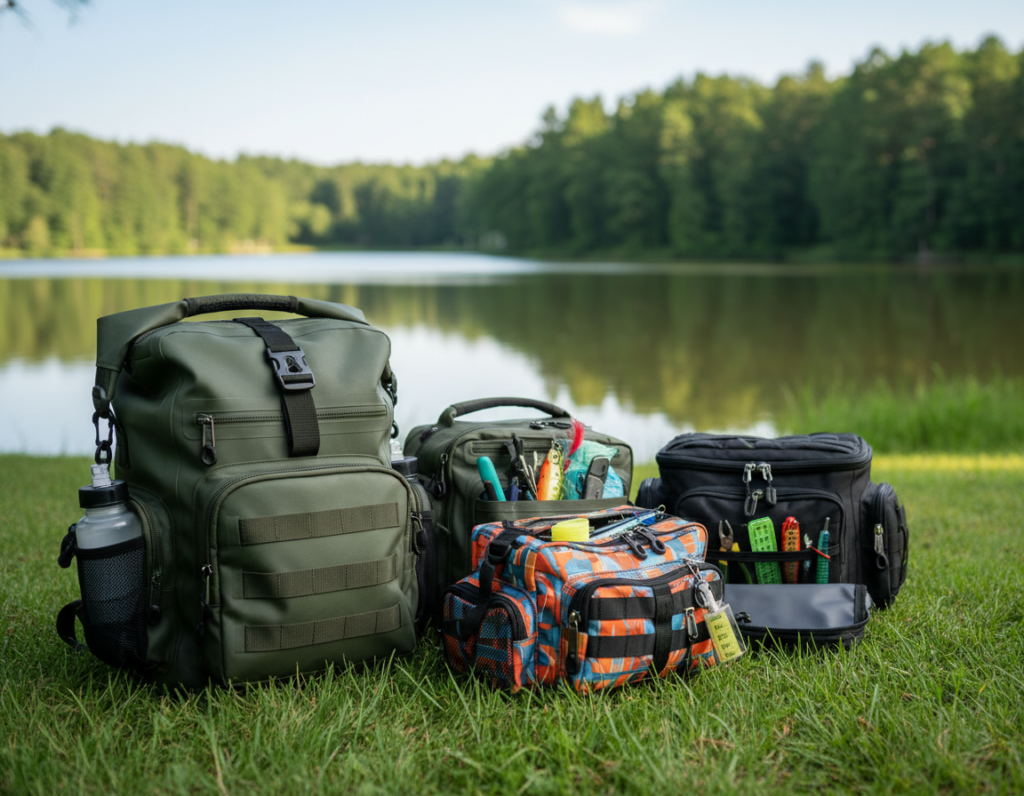
Well-organized equipment lets them spend less time searching a box and more time fishing. A compact tackle box with labeled compartments keeps baits and lures within reach. That simple habit often equals more fish landed.
Experienced anglers recommend sorting hooks by size, storing live bait properly, and keeping extra line and swivels ready. These small moves cut wasted time and reduce frustration on a busy boat or quiet riverbank.
To make sure preparations work, they review species behavior and adapt gear for the target fish. For a practical packing guide, see this helpful resource on a well-stocked tackle box checklist.
Essential Freshwater Tackle Essentials for Every Angler
A well-paired rod and reel makes casting easier and landing fish more consistent. This section covers practical choices for rods, reels, and the basic terminal items that help present bait in the water.
Rods and Reels
Rods come in many types—bait-casting, closed-spin, carbon-fiber, fiberglass, spinning, telescopic, and ultra-light for crappie. Choose a rod that fits the species and the days you plan to fish.
Reels should match the rod: spinning reels are versatile, while bait-casting reels suit heavier bass work. Regular maintenance keeps a reel smooth and reliable.
Terminal Tackle Basics
- Start with a six to twelve pound test monofilament line for most small to medium fish.
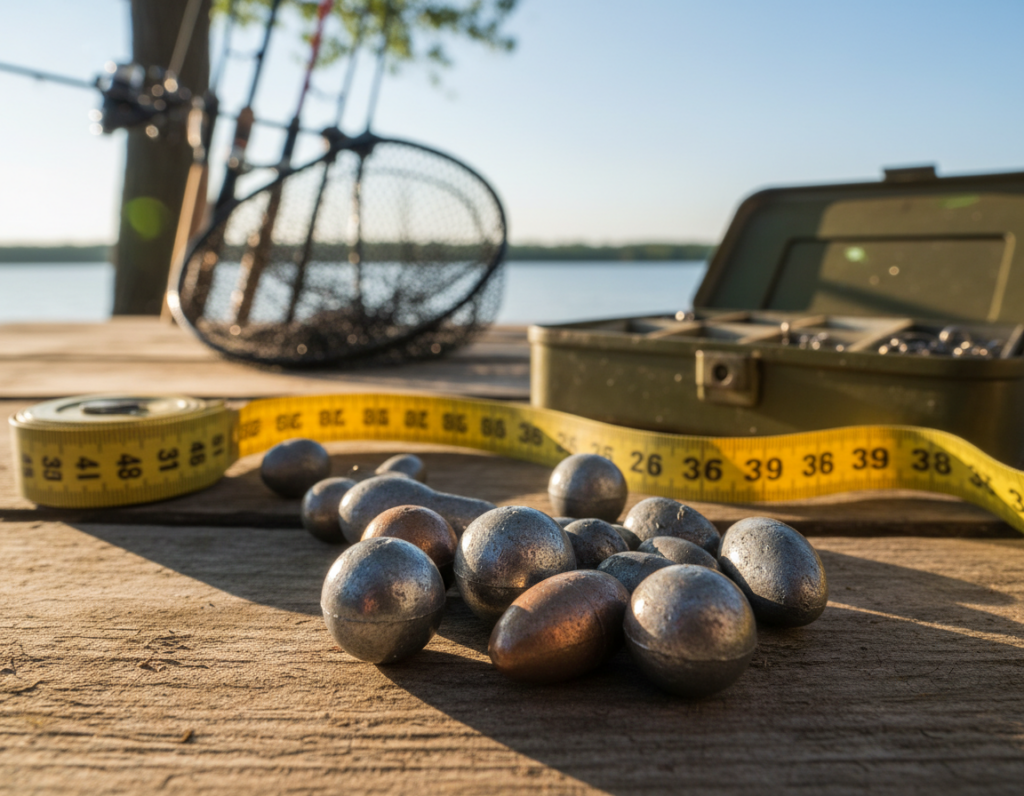
- Carry a variety of hooks, bobbers, and weights to present baits at different depths.
- Match hook sizes to the species you target and bring plastic baits and a few lures for variety.
Tip: Proper gear care and the right line strength reduce breakoffs and improve hook sets.
Optimizing Your Tackle Box for Maximum Efficiency
A neat, well-labeled box turns frantic rummaging into fast, confident rigging. Anglers who prep a small system of compartments spend more time on the water and less time searching. This section shows how to sort baits, gather tools, and pack safety items for a productive day.
Categorizing Baits and Lures
Group hard lures and soft plastics separately. Hard baits are often wood, plastic, or metal; soft worms mimic prey and need their own slots.
Tip: Use inserts for sizes and types so the right lure is visible at a glance.
Essential Tools and Accessories
Keep pliers, a sharp knife, spare hooks, and an extra spool of monofilament in a single tray. These items let anglers change rigs and remove a hook quickly.
- Bobbers and weights in labeled pockets
- Pliers and line clippers ready to grab
- A small reel-cleaning cloth and lubricant
Safety and Maintenance Items
Safety gear should include a compact first aid kit and a life preserver when fishing from a boat. Regularly clean the rod and reel after each trip to protect equipment.
For more ideas on how to organize a box, see this guide to organize a tackle box.
Selecting Specialized Gear for Target Species
Choosing species-specific gear speeds learning curves and increases catch rates on any body of water. Researching behavior for Black Crappie, Channel Catfish, Largemouth Bass, Rainbow Trout, and Walleye guides which gear to pack.
Experienced anglers pick a spinning rod and reel for precise techniques like flipping and pitching. These methods let them place a jig or lure into tight cover where bass hide.
Match line weight and monofilament strength to the species. Use smaller hooks for crappie and larger hooks for catfish or bass. Change weights and jigs to reach deeper water where walleye or channel catfish feed.
Variety matters: carry plastic worms, hard baits, and a selection of lures and baits to test what the fish prefer that day. Add weed guards on jigs when fishing thick vegetation from a boat.
“Select gear with the fish in mind, not the other way around.”
- Adjust hook size and line for target species.
- Use specialized weights to reach depth.
- Keep a mix of plastic and hard lures for quick changes.
Conclusion
When tools and baits are easy to find, anglers spend the day fishing — not searching. A tidy tackle box with labeled compartments saves time and makes rigs quicker to change.
They should make sure pliers, hooks, and bobbers sit within reach. Proper care of the rod, reel, and fishing line keeps equipment reliable across seasons of freshwater fishing.
Final tip: refine the box after each trip. Swap lures and plastic baits for the next outing, pack quality accessories, and adapt gear to the fish you expect to chase.