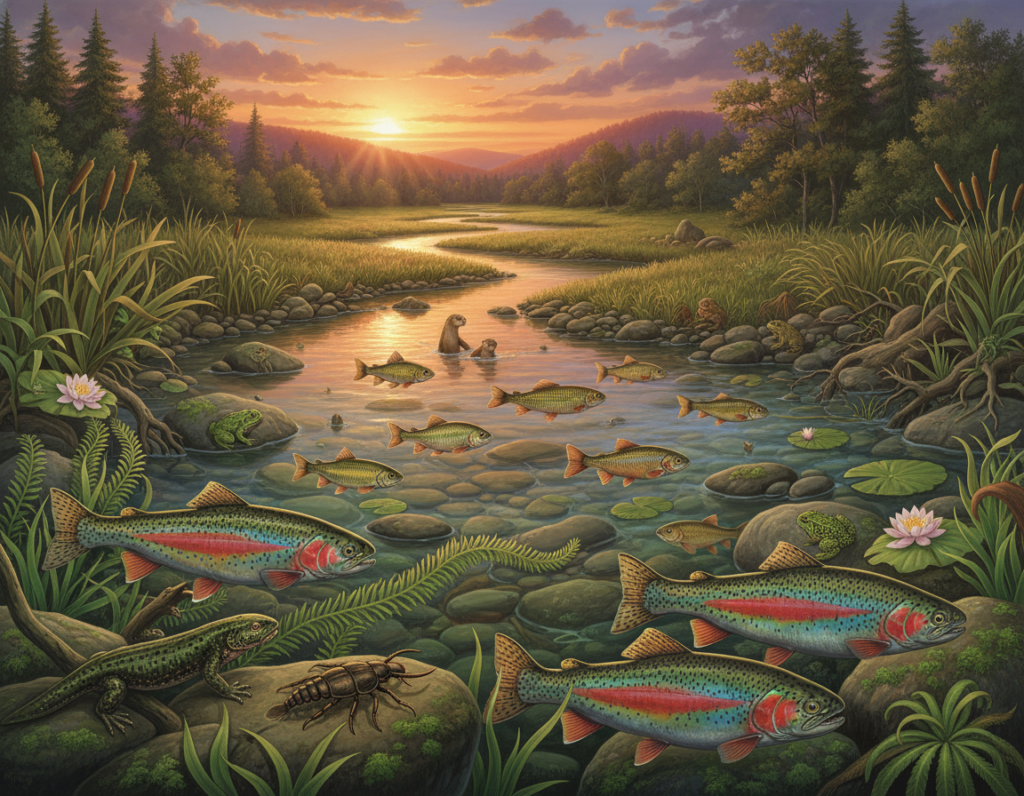
Midwestern anglers see a clear seasonal shift in how these fish use lakes. In spring they move into shallow water and become highly accessible to anglers.
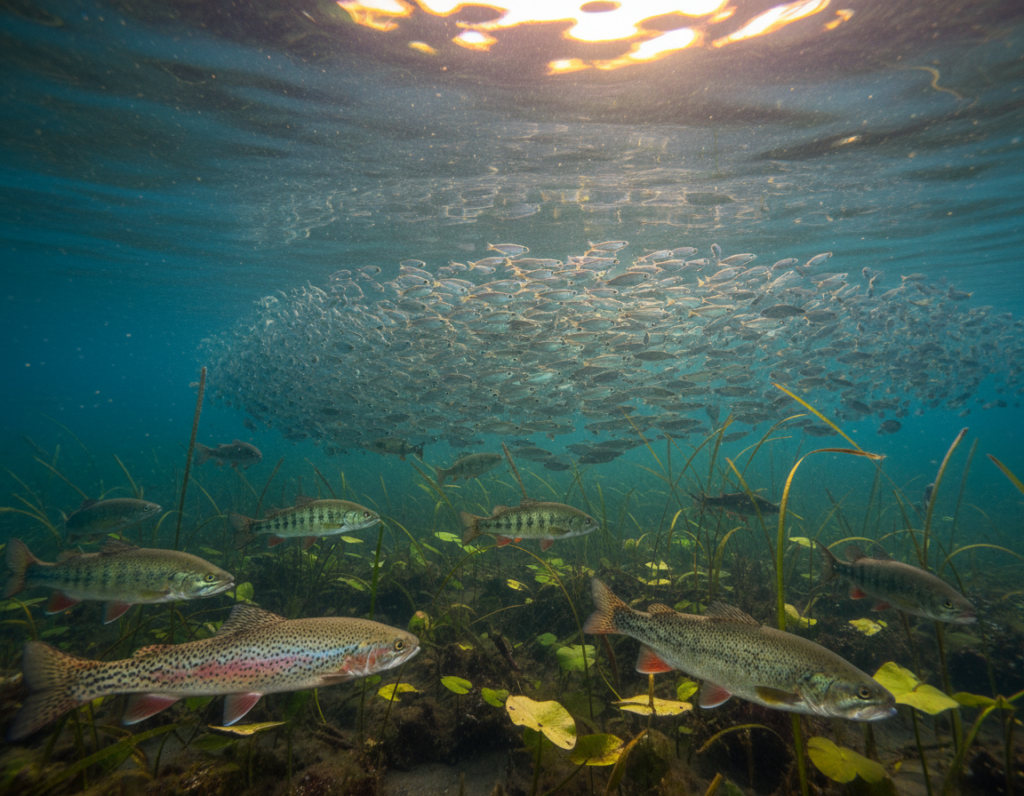
By summer the same fish vacate the shallows and relocate offshore where they form tight schools. Understanding this transition is key to keeping a steady bite into fall.
Small lakes often offer the best opportunities because these waters stay less pressured and hold quality populations. Targeting specific offshore feeding zones makes many trips almost automatic once a school is found and patterned.
For any angler focused on consistent success, adapting gear and presentation from shallow spring tactics to summer and fall offshore methods is essential. This guide helps anglers map the movement and find the feeding zones that matter most.
Understanding Crappie Schooling Behavior and Seasonal Movements
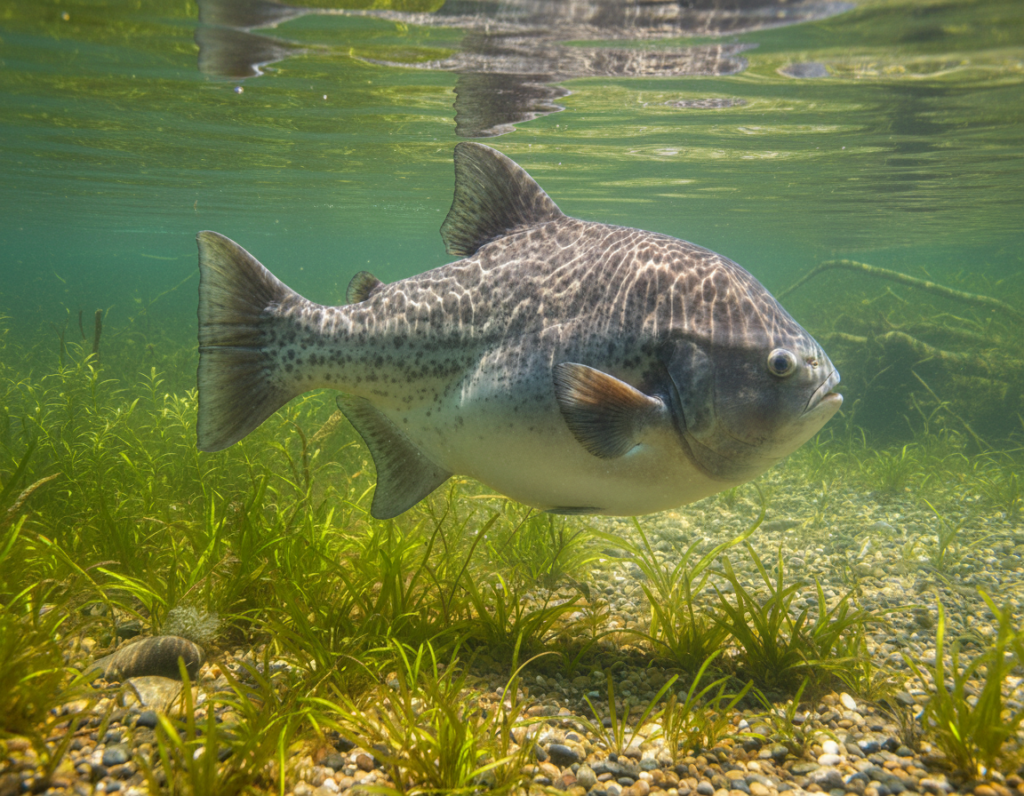
As water temperatures rise, these panfish shift from shallow flats into deeper, more stable parts of the lake.
Species differences matter. White crappie typically grow larger, often topping 1 to 1.5 pounds and reaching up to 5 pounds in fertile waters. Black crappie prefer clear, weedy ponds and larger streams. That mix of species changes how schools form by size and location.
Seasonal migration patterns are driven by spawning and warming trends. During spring spawn, fish scatter along shorelines and relate to rising water and mild weather. Post-spawn months see rapid offshore movement into basins where vegetation like Chara and pondweed gives essential cover.
- Schools often segregate by size in summer—larger fish may stray from tight packs.
- Schools are mobile and rarely stay put for long, so anglers must move and adapt technique.
- Year-class strength varies a lot from year to year, affecting long-term success.
Identifying Prime Feeding Zones in Freshwater Lakes
During warm months, feeding activity concentrates where light and forage overlap near the top of the water column. In clear water a Secchi reading of about 10 feet often means a fish’s usable visual field extends roughly that far.
Most surface feeding happens in the upper 10 feet, even in basins that drop to 40 feet. In ultraclear lakes blue and violet wavelengths penetrate deepest, but practical foraging stays near the sunlit layer.
- Fish feed high in summer to exploit insects, invertebrates, and minnows found near the surface.
- Open, bowl-shaped areas in small lakes often host roaming schools that forage subsurface.
- Look for splashing or disturbance; visible surface activity is a reliable sign of the prime area.
- Vegetated spots, like curly-leaf pondweed, draw schools for cover and steady forage.
Anglers who place baits within the top ten feet and monitor surface cues increase success. Over the years, anglers and researchers note these patterns hold across varied waters and conditions.
The Role of Sensory Perception in Crappie Feeding
Sensory cues shape when and where these fish feed. Light, sound, and smell combine to direct hunts in open water. Anglers who read those cues find more bites.
Visual range and color sensitivity
The eyes are among the largest for body size, so vision dominates feeding choices. They favor prey that sits slightly above and ahead of the snout, and they often feed at dusk, dawn, or night when light angles help them see better.
Hearing and lateral line detection
The lateral line senses low-frequency vibrations, letting a school pick up moving bait in murky water. These fish can detect loud underwater sounds from more than 100 feet, which explains why vibration-based lures sometimes draw attention from a distance.
Olfactory and taste responses
Taste buds line the mouth, tongue, and throat, so a fish can taste and reject a bait in under 0.5 seconds. They prefer crustacean and baitfish flavors, so subtle presentations and natural scents work best around cover and at varied depths.
- Forward, upward eye placement favors prey above the fish.
- In low clarity, smell and lateral line cues take priority.
- Understanding these senses helps anglers choose jig, bait, and technique.
For more on sensory triggers, see a useful overview of panfish senses and triggers.
Essential Gear for Targeting Suspended Schools
The right rod, line, and boat make finding and staying with suspended fish far easier. Gear choice affects feel, presentation, and the ability to follow a moving school on open water.
Selecting the Right Rod and Line
Sensitivity is the priority. A 7-foot, medium-light St. Croix Panfish Series rod (PNS70MLXF) offers crisp tip feel for light bites. Anglers pair it with 5-pound Cortland Masterbraid to read subtle taps.
Attach a 6-pound fluorocarbon leader to keep the bait presentation nearly invisible. Add a 1/32-ounce split shot 8 to 12 inches above the jig to help reach deeper fish quickly.
- Boat choice: A 12-foot rowboat with a Minn Kota trolling motor lets anglers move quietly and follow schools without spooking fish.
- Electronics: Portable units with down-imaging are especially useful in fall when fish stack vertically.
- Jigs and colors: Test several jigs and colors; subtle shifts often trigger bites.
- Line setup: High-vis yellow braid works as a strike indicator while a fluorocarbon leader keeps the presentation stealthy.
- Anchoring: In calm conditions, anglers usually skip anchor and drift with the trolling motor to stay with the school.
Effective Techniques for Catching Crappie in Open Water
Roaming schools in open basins force anglers to cover water quickly and present baits at varied depths. A search pattern using light plastics helps locate active areas fast.
Start by casting 1–2 inch paddletails or twister tails such as Bobby Garland Baby Shads rigged on 1/32 or 1/16 ounce Arkie ball heads. These plastics let anglers cast far and check a lot of water without spooking fish.
Vary retrieve speed. Try a fast, near-surface run then slow to a twitch-and-fall as you move deeper. When fish sit under the boat, vertically drop jigs and plastics to trigger strikes.
- Use a slip bobber with a Rocket Bobber or Thill float to hold bait at a precise depth.
- Keep a tight line so subtle takes register—many fish inhale the bait quietly.
- If the school moves too fast, single-line trolling at low speeds with a Minn Kota motor maintains contact.
Electronics help find deeper groups, but visible surface activity often points to the best times in summer. Regularly check and sharpen hooks after every 3–5 catches to avoid lost fish from thin mouths.
Managing Small Lake Fisheries for Long-Term Success
Healthy small-lake fisheries depend on deliberate harvest choices and steady stewardship by anglers. Managers and anglers must balance harvest with the lake’s natural productivity to keep populations healthy.
Moderate harvest of 9–11-inch fish helps reduce crowding and lets remaining fish reach larger sizes. Removing a few eaters each season prevents stunting in high-density waters.
A 15-inch crappie in northern regions can be a decade old. Releasing these larger fish protects the genetic and trophy value of the lake over the years.
- Recognize cyclical year-classes and set expectations for each year.
- Monitor other panfish species that compete for food and habitat.
- Protect spring spawning areas to boost recruitment after high-water years.
- Keep a few fish for the table and release the rest to support long-term success.
By following simple rules—selective harvest, habitat protection, and steady monitoring—anglers sustain productive fishing and trophy opportunities in small lakes for many years.
Conclusion
Mastering seasonal shifts pays off: anglers who track depth, light, and forage catch more crappie and other fish.
Match presentation to what the water shows. Use light line, subtle bait, and small adjustments in depth to reach feeding fish. Targeting black crappie in clear lakes calls for stealth; stained water often accepts brighter offerings.
These practical tips make crappie fishing more consistent and fun. Think like a predator similar to bass—use vision and sound cues to guide choices. Finally, practice selective harvest and protect larger fish to keep lakes healthy for future seasons.