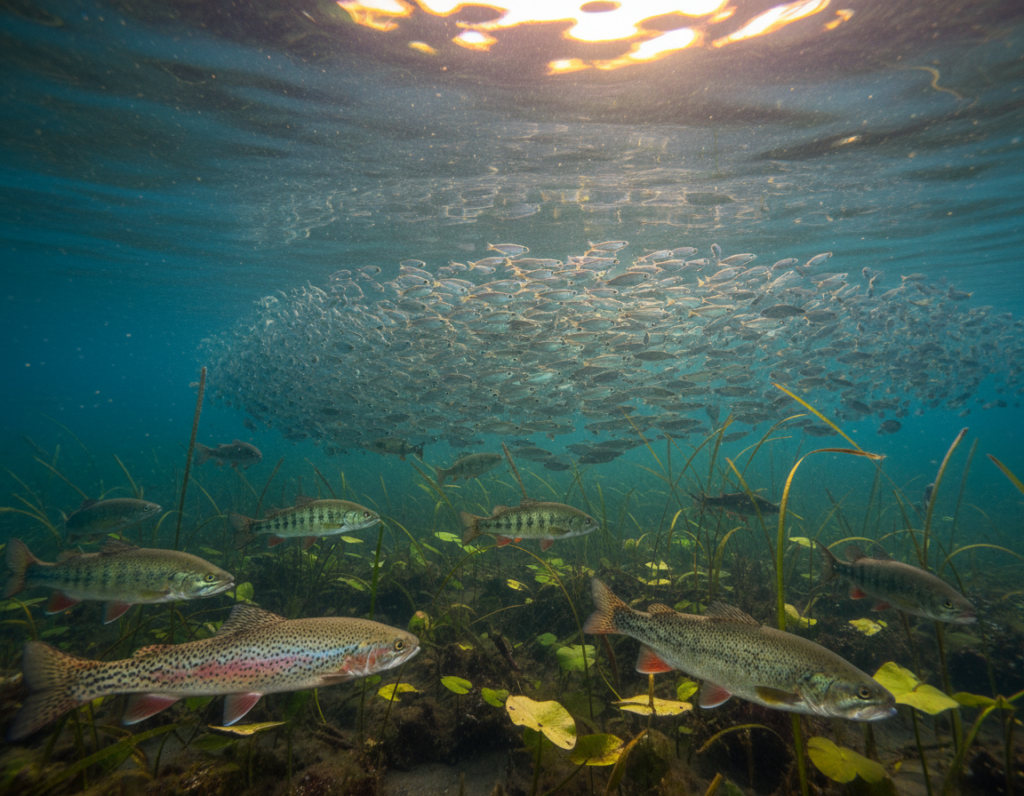
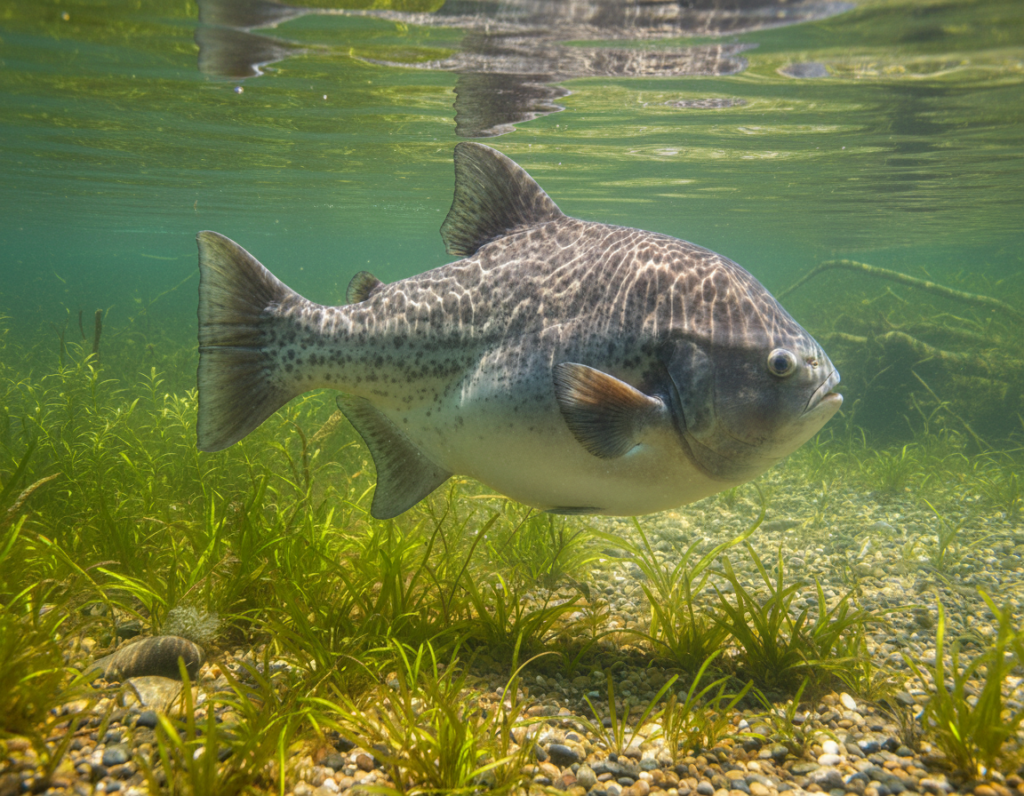
The northern pike, Esox Lucius, stands out as a top freshwater predator in vegetation-rich lakes. It combines speed, camouflage, and a powerful mouth to ambush prey. As spring arrives, these fish shift their feeding as water warms toward about 40 degrees Fahrenheit for spawning.
A professional fishing guide notes that seasonal changes, light, and water conditions shape daily movement and strike timing. Anglers who study these patterns improve lure presentations and catch rates.
Whether in summer warmth or winter cold, understanding how cover and aquatic plants create ambush points helps with positioning and action. This guide previews how body shape, mouth mechanics, and sensory cues influence when and where these fish will attack.
Understanding Northern Pike Hunting Behavior
Water temperature and visibility set the daily rhythm for many large freshwater predators. That rhythm affects feeding, movement, and the spots they choose to hold.
Metabolic Drivers
Temperature controls metabolic rate. As water warms toward spawn temperatures in spring, activity spikes and anglers catch more fish.
In cold winter conditions, the species slows, conserves energy, and waits for warmer degrees and better light before striking.
The Role of Sight
Vision is the dominant sense for these predators. Clear water lets them track baitfish and time explosive strikes with precision.
- Thom Hunt documented aggressive schooling and concentration in certain areas.
- Successful days often hinge on correct lure action and reading body cues.
- Recognizing when a fish is holding or charging helps anglers adjust baits and presentation.
“He set a goal of 100 lure-caught fish and landed 121 across 17 venues,”
The Role of Aquatic Vegetation in Ambush Tactics
Submerged plants shape the hunting grounds that predator fish favor in lakes and rivers.
Young sac fry use dense weeds and stems for shelter while they rely on yolk sac nourishment. These plants keep them safe through the crucial early weeks in spring.
As a professional fishing guide, it is clear that vegetation serves as the primary ambush cover for the northern pike in many freshwater systems. The same beds give adults a place to wait for prey and to conserve energy during cooler conditions.
- Weed edges concentrate baitfish, creating a micro-climate with slightly different temperature and feeding cues.
- Even in winter, remaining structure holds fish and offers stable areas to rest.
- Targeting margins with a well-worked lure often produces the best strike zones for anglers.
Conservation of these vegetated areas supports the entire species lifecycle and helps maintain healthy fishing in rivers and lakes.
Seasonal Shifts in Pike Activity
Seasonal change dictates where predators concentrate in lakes and how anglers should approach each outing.
Spring Spawning Movements
When water reaches about 6–7°C, northern pike move into shallow, reed-lined bays to spawn. These spots warm first and offer shelter for eggs and young fish.
Many anglers are advised to give spawning areas space to protect future stocks.
Summer Dispersion
As temperatures rise, fish spread across large, weedy flats. This dispersion makes locating active spots harder.
- Cover and baitfish pockets define the best spots.
- Adjust lure speed and presentation to match slower midday movement.
- Post-spawn May feeding pushes body condition back up.
Winter Metabolic Slowdown
Once surface temperature drops below 8°C / 46°F, many move to deeper, stable water to conserve energy.
Feeding windows shrink to short periods of the day when light and pressure align. Slow, deliberate baits and timing are key for winter success.
Mastering Lure Selection for Different Conditions
A smart angler matches lure action to the mood of the fish and the lake’s conditions. Proper lure choice depends on water clarity, temperature, and the current metabolic state of the fish.
Spring calls for twitch-and-pause jerkbaits when the water is still cold. That presentation teases lethargic predators into striking without demanding high speed.
Clear water rewards realistic profiles. Swimbaits and the Westin Shadteez perform well here; the Shadteez’ body roll mimics injured prey and produces consistent action that tournament anglers favor.
In muddy or low-visibility conditions, spinnerbaits with Colorado blades create heavy vibration to help fish locate the bait. During winter, slow soft plastics fished tight to the bottom are often the only way to get a reaction.
- Use a rod with the right action to set hooks in a hard, bony mouth.
- Choose strong line and leaders to resist cuts from sharp teeth.
- Inspect lures for bite marks after a near-strike to learn feeding patterns.
Reading Water Clarity and Light Levels
Seeing the water clearly—or not—changes every decision an angler makes on the boat.
Adjusting for Low Visibility
In murky water, predators rely on vibration more than sight. Large Colorado blades on spinnerbaits create the heavy pulses that draw attention in low visibility.
When visibility exceeds five feet, fish get selective. Anglers should shift to subtle, natural-colored lures and slower presentations to avoid spooking wary fish.
Winter light compresses feeding windows. Short, timed efforts in key areas often beat long, unfocused drifts. A guide will change rod speed and retrieve cadence as light shifts through the day.
Practical tips:
- Read clarity first; choose aggressive or subtle presentations based on what you see.
- In murky water, prioritize vibration over profile; in clear water, use realism and slow speed.
- Factor temperature and sun angle—these alter vertical movement and feeding time.
Strategic Approaches to Deep Water Drop Offs
Drop-offs form thermal seams that guide large predatory fish between deep and shallow zones. These edges become vital when water temperatures fall in late fall and winter.
Northern banks warm first and often show a 1–2 degree rise. That slight change draws many fish to steep shelves on sunny days.
Anglers should work presentations along the edge. A slow-falling swimbait is a proven choice to trigger reaction strikes from otherwise inactive fish.
Use a sensitive rod to feel subtle taps as bait crosses the lip. In clear water, fish will ambush baitfish moving between depths, so vary depth and pause times.
- Winter focus: fish the shelf, not only the flat.
- Gear tip: strong line and a short leader lower lost-lure risk near snags.
- Seasonal note: in spring the same drop-offs act as migration routes toward spawning bays.
For more tactics on vertical and edge presentations, see pike jigging strategies. Proper presentations over a drop-off often turn a slow day into consistent strikes.
Essential Gear for Targeting Large Predators
Targeting large predators demands gear matched to power, teeth, and structure. Anglers who pair the right rod, line, and leader improve hook retention and landing rates.
Rod Action and Hooksets
Choose a slower, through-action rod to give the fish time to draw the bait deep into its mouth. That increases hook penetration and reduces missed strikes.
Use a firm, controlled hookset. The mouth has hard bone and teeth, so a confident sweep after the pause is vital. A sensitive tip helps detect light taps before committing.
Line and Leader Considerations
Match line strength to the water and cover. Near heavy vegetation or rocks, use a heavier-rated mainline to prevent abrasion and lost lures.
- For river fishing, run 65lb+ braid with 50–80lb wire leaders to bully large fish away from snags.
- Many anglers prefer wire leaders over fluorocarbon for reliable tooth protection.
- Keep a high-quality reel with smooth drag for spring runs and a dependable setup during winter feeding windows.
“Proper gear maintenance, including checking your line for nicks, is a habit every serious angler should practice.”
Conservation Practices for Sustainable Fisheries
Long-term health of lake fisheries depends on how people protect plants, water quality, and big specimens.
Northern pike can live as long as twenty years and often reach about 28 inches by age five. Protecting lily pads and bullrushes preserves the food web that lets these fish grow large.
Good stewardship means handling fish with care, especially during the sensitive spring spawn. Many anglers now adopt catch-and-release to protect large specimens and sustain populations for future years.
- Protect vegetation: maintain shallow cover so small fish and invertebrates thrive.
- Respect spawning: avoid disturbing reed beds and bays in spring.
- Practice safe release: use proper tools and minimize air exposure.
Clean water and intact habitat support feeding and healthy strikes across seasons, including winter. Education and simple, everyday choices by anglers keep this species and its prey robust.
For guidance on sustainable methods and local rules, consult resources on sustainable fishing practices.
Conclusion
Small adjustments in gear and timing can turn a slow day into a productive one. Anglers who blend science with practice gain steady results on the water.
Mastering pike fishing is a journey. It asks for study, trial, and patience from each angler who wants more consistent strikes.
Understanding seasonal change and metabolic shifts — from spring spawn runs to winter slowdowns — lets one pick the right spot and presentation at the right time.
A trusted guide or log of trips speeds learning. Sharing notes and local insight improves outcomes and stewardship for everyone.
Protecting habitat and practicing safe release keeps large pike thriving. Thank you for reading and for caring for wild waters.