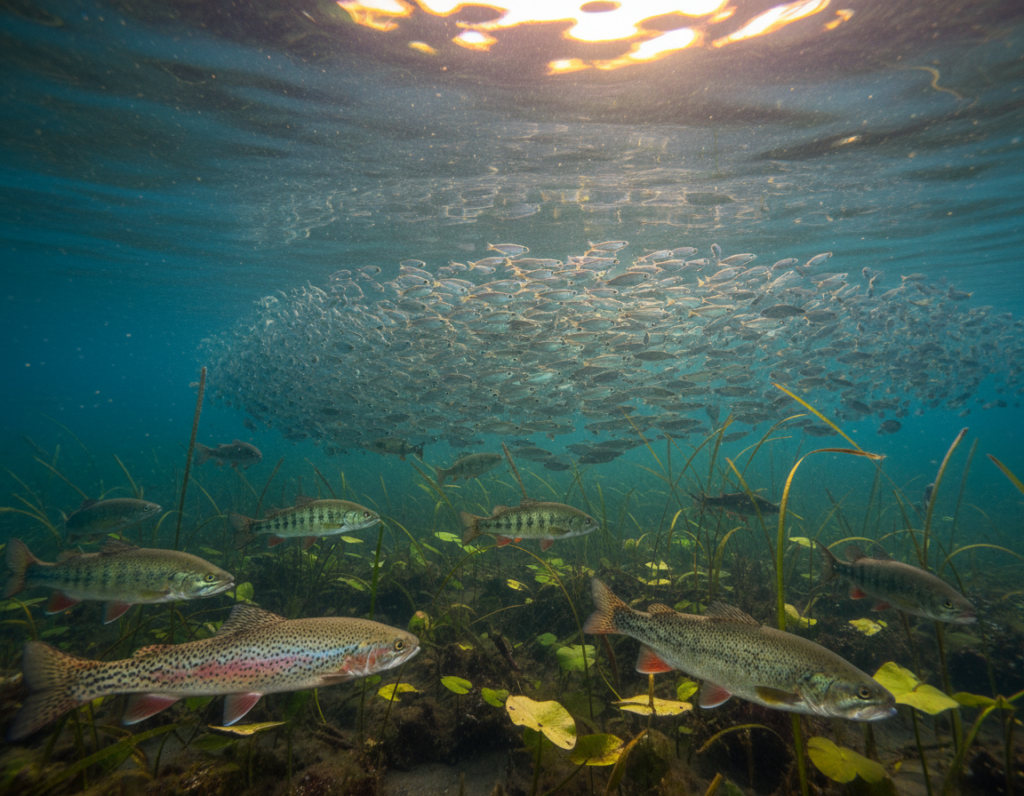
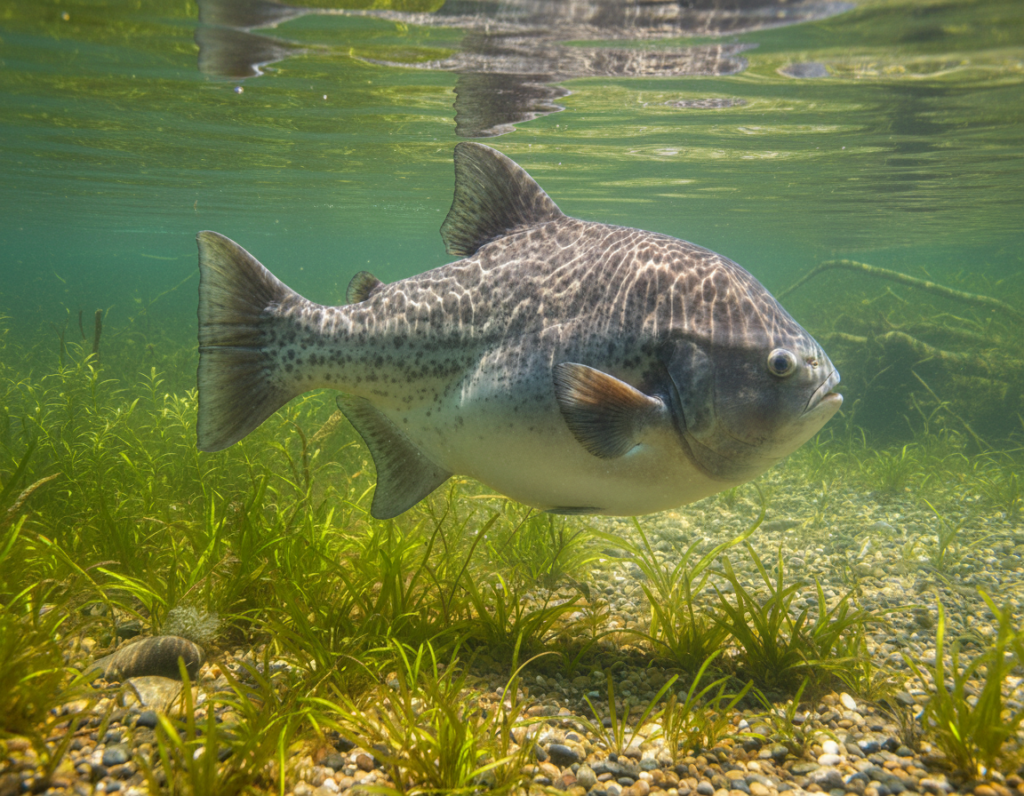
Understanding seasonal patterns helps anglers and aquarists plan better care and improve catch rates. Jim Edlund, who has studied fish for over 20 years in Minnesota, notes that tracking movement requires a clear grasp of how species respond to their surroundings.
Observation pays off. Whether managing a large aquarium or casting on a local lake, recognizing where animals will be at different times makes action predictable. Daily routines and seasonal shifts are driven by biology and the quality of the water.
Small tanks reveal big lessons. Even a modest aquarium shows how changes in temperature, food availability, and habitat shape feeding and movement. Learning these cues makes care more effective and time on the water more rewarding.
Understanding the Biological Drivers of Freshwater Fish Behavior
A creature’s metabolism and the available oxygen supply explain much of what an angler or aquarist observes across the year. These two factors determine feeding rates, movement, and even the timing of breeding in many species.
Metabolic Responses to Temperature
Because they are cold-blooded, metabolic rate rises as water temperatures climb. Increased metabolism means more energy is needed for daily life and growth.
Practical effect: higher temperatures boost feeding activity and competition for food. In a community aquarium, keeping stable temperature is vital for the health of sensitive species such as cichlids.
The Role of Oxygen Levels
Dissolved oxygen is essential for respiration. Low oxygen can cause stress, trigger disease, or lead to mortality in a tank or lake.
- Monitor oxygen and temperature to reduce disease risk.
- Use plants and proper circulation to keep levels stable.
- Remember breeding cues—eggs and fry survival often depends on small shifts in temperature and oxygen.
Good care balances temperature, oxygen, and structure to support healthy life and predictable movement patterns.
Seasonal Movement Patterns in Wild Freshwater Environments
Seasonal cues push many species to shift where they feed and shelter throughout the year. These patterns help anglers predict movements and help aquarists design a realistic tank that mirrors natural life cycles.
Spring Spawning Migrations
During spring, many fish move toward the surface or shallow edges to spawn. They seek gravel beds or plants to lay eggs and protect future young. This migration is driven by rising temperature and daylight changes.
Summer Stratification and Depth
In summer, a thermocline forms and creates distinct layers in the water column. Many species will move to deeper, cooler zones near the bottom to find stable oxygen and preferred temperatures. They also use structure like rocks and wood for cover.
Fall Feeding Aggression
In fall, feeding ramps up. Fish may show aggressive feeding to build reserves for winter. Many fish group up to hunt more effectively and take advantage of abundant food before temperatures drop.
“Observing seasonal movements reveals the best times and places for feeding and breeding observations.”
How Water Quality and Environmental Conditions Influence Activity
Oxygen levels and mixing forces often determine daily activity and seasonal shifts in aquatic life. Wind and surface motion stir layers of water and help keep temperatures stable. That mixing also brings food into reach and raises oxygen levels.
In fall, bacteria breaking down dead plants can lower oxygen fast. Once-active areas may become quiet when levels drop. In a home aquarium, the same chemistry shifts can make species hide or stop feeding.
- Test water often and perform regular changes to avoid poor water and disease.
- Add plants and proper circulation to boost oxygen and absorb waste.
- Watch temperatures and structure placement so species can find comfort zones.
- Respond quickly to organic decay; it can alter chemistry and reduce activity.
“Maintaining high water quality prevents harmful buildups and supports normal feeding and movement.”
Interpreting Social Dynamics and Schooling Behaviors
Grouping strategies influence feeding, safety, and daily movements in aquatic communities. Social structure affects where animals feed, hide, and breed in a tank or natural water body.
Distinguishing Schooling from Shoaling
Schooling describes synchronized motion. Schooling fish, such as tetras, swim in tight, coordinated groups to confuse predators and gain safety in numbers.
Shoaling is looser. Shoaling species stay near one another for social reasons but do not move in perfect unison, as seen with many guppy types.
- Schooling reduces predation risk but raises competition for food in dense groups.
- Breeding often triggers changes: some species guard eggs and fry and show brief aggression around nesting sites.
- Less social animals will hide near the bottom or among plants when stressed or crowded.
Provide adequate space in an aquarium or tank to let different species express natural behaviors. Observing group movements over time reveals social balance, health, and shifting needs in your community.
Managing Territoriality and Aggression in Enclosed Spaces
Aggression around a chosen spot often dictates who eats, hides, or breeds in a confined tank. Territorial animals, especially cichlids, will chase, nip, and flare fins to hold ground. This affects daily feeding and movement across the water column.
To reduce conflicts, add visual barriers and plenty of hiding spots. Plants, rocks, and driftwood break sight lines and let shy individuals retreat.
Feed in several locations to lessen competition and watch interactions in a community aquarium. If one fish dominates, consider rearranging decor or moving that individual to another tank.
- Territorial peaks occur during breeding; expect greater aggression then.
- Provide varied cover so multiple species can claim small territories.
- Observe daily and act quickly to protect stressed or injured fish.
“Careful layout and monitoring turn a crowded tank into a stable community.”
Recognizing Stress Indicators and Health-Related Movements
Subtle shifts in activity, like constant pacing near the tank walls, can signal stress or poor water quality. Caregivers should watch daily routines to spot trouble early.
Identifying Glass Surfing
Glass surfing is when a fish swims repeatedly up and down along the glass. This repetitive motion often points to low oxygen, wrong temperature, or other poor water conditions.
If many species in an aquarium show this, test water immediately and look for sudden changes in levels. Quick action often prevents disease and loss.
Signs of Parasitic Irritation
Flashing—rubbing or scraping against decor—is a classic sign of parasites or skin infection. Rapid breathing, erratic movements, dull color, or hiding at the bottom are other red flags.
- Test water and correct chemistry to reduce stress and help healing.
- Isolate affected individuals when possible to limit spread of disease.
- Monitor breeding pairs closely; stressed parents may abandon eggs and fry.
“Acting quickly on stress signs often resolves issues before they threaten the entire community.”
Optimizing Your Approach to Fish Observation and Care
Using tech and hands-on inspection together creates a clearer picture of seasonal movement and tank health.
Routine checks matter. They let caretakers spot shifts in water, temperature, or appetite early. Quick tests for pH and oxygen reduce the risk of disease.
- Observe behavior daily and note unusual activity.
- Use tools like the onX Fish Midwest App to study wild patterns and plan feeding times.
- Perform regular maintenance: gravel vacuuming, water changes, and plant care.
Create a balanced space by adding structure and plants so species can hide and rest. Feed a varied diet at set times to support growth and keep water quality high.
“A proactive routine that blends observation, testing, and proper decor yields healthier stock and clearer patterns over time.”
For practical tips and setup ideas, consult an aquarium care guide that matches local conditions and species needs.
Conclusion
Good care combines observation, water testing, and smart tank layout to keep communities healthy year-round. Small, steady actions make a big difference for aquarium success.
By monitoring water quality and watching for signs of stress or disease, caretakers can protect life and reduce aggression. Spotting changes early helps prevent poor water from harming stock.
Seasonal shifts and environmental factors shape movement, feeding, and social interactions. Understanding these patterns makes maintenance more effective and observation more rewarding.
With attention to detail—proper decor, regular tests, and timely response—any hobbyist can maintain a balanced, peaceful tank and enjoy long-term health for their fish.