Every angler knows that regular upkeep keeps rods and reels performing at their best. Proper care prevents rust, line fraying, and unseen damage. It also helps expensive equipment last for years.
This introduction outlines practical tips to inspect, clean, and store tackle correctly. The guide shows simple steps that save time and prevent costly repairs. It is written for both weekend hobbyists and pro anglers.
Readers will learn how to handle hooks, line, and lures and how to check small parts before a trip. These habits reduce failure while on the water and improve overall performance.
Make sure routine checks are part of every season. Small actions taken today can keep fishing equipment in top shape and extend its useful life for many years.
The Importance of Consistent Fishing Gear Maintenance
Simple, repeatable habits stop small issues from becoming trip-ending problems.
Consistent care keeps equipment safe and reliable for every outing. Anglers who check reels, rods, and tackle regularly reduce the risk of corrosion and wear.
Early inspections save time and money. Spotting loose screws, line fray, or sticky drag systems prevents pricey repairs later.
- Routine checks extend the life of reels and rods.
- Proper storage protects tackle from environmental damage.
- Timely fixes ensure better performance and a safer trip.
For expert advice, contact Bosstriper at (512) 529-7429 to learn how to keep fishing equipment in top shape. Making sure storage and cleaning habits match professional standards protects your investment season after season.
Essential Care Techniques for Fishing Reels
A clear post-trip routine keeps reels running smoothly and avoids costly repairs.
Post-Trip Cleaning Procedures
After every outing, rinse the reel with freshwater to remove salt and grit. This step limits corrosion and prevents abrasive particles from damaging small parts.
Use a soft brush to sweep away sand around the spool, handle, and bail. They should be dry before storage to avoid trapped moisture that causes rust.
Inspect the reel for odd noises or roughness after a long day on the water. Unusual sounds often signal internal wear and merit earlier attention.
Lubrication and Internal Component Care
Periodically disassemble the reel to clean internal gears and bearings. Flushing with Inox MX3 is effective at removing salt and sand that hide between components.
Apply Inox MX8 EP grease sparingly to bearings and main gears. Proper lubrication keeps moving parts smooth and helps a rod reel combo perform longer.
- Rinse: Freshwater after each trip, especially in saltwater.
- Flush: Use Inox MX3 for internal cleaning when needed.
- Grease: Protect bearings with Inox MX8 EP for long-term performance.
These steps make sure reels stay in top shape through the season and for years of reliable use.
Best Practices for Maintaining Fishing Rods
Simple post-trip checks on the blank, guides, and grip protect rods from long-term damage. These small actions keep a rod reel setup ready for the next trip and reduce repair time.
Cleaning Guides and Handles
Clean rod guides with a soft cloth or an old toothbrush to remove grit. This keeps the line moving freely and preserves casting distance.
For stubborn rust after a saltwater outing, a small amount of white vinegar works well. Apply gently and rinse with freshwater, then dry completely.
Wipe handles with mild soap to remove bait residue and sweat. Dry the grip before storage to prevent odor and material breakdown.
- Store: Keep rods in a cool, dry place to avoid warping or cracking of the blank.
- Protect: Use rod covers for transit to prevent scratches and accidental damage to equipment.
- Routine: Regular cleaning and care help anglers get the most life from their reels and rods.
Good idea: Make these checks part of every trip to save time and preserve performance.
Managing Tackle and Line Integrity
A quick tackle review and line test can save time and prevent lost fish on any outing. Proper checks focus on hooks, boxes, and the line so equipment stays reliable.
Hook Sharpening and Inspection
Sharpen hooks with a small file to ensure clean penetration. Dull points reduce hookups and damage lures during a fight.
Inspect eyes and bends for cracks or corrosion. Replace any hooks that show deformation to avoid failures.
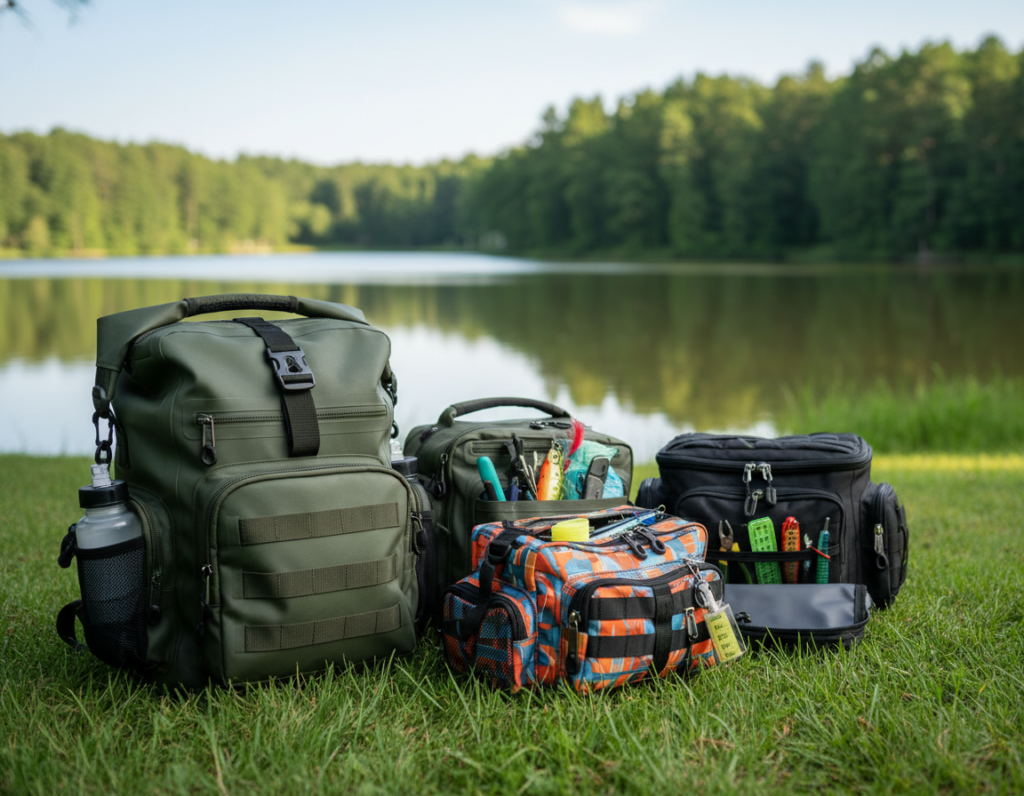
Organizing Tackle Boxes
Label compartments and separate used items from unused pieces. This saves time and prevents rust from spreading between parts.
Place silica gel packs inside the box and store away from direct sunlight to protect line and lures from UV damage.
Monitoring Line Strength
Run fingers along the fishing line to feel for nicks or abrasions. Any weak spot can lead to a lost catch or broken tackle.
“Check swivels and snaps regularly; moving parts wear faster than you expect.”
For more detailed tips, read these best practices to keep reels and rods performing well.
Proper Storage Strategies for Long-Term Protection
Proper off-season storage protects rods and reels from slow, hidden damage that cuts service life.
A cool, dry place with good airflow is the best spot to keep equipment during the off-season. Humid basements and sunlit garages speed up corrosion and material breakdown.
Make sure reels are set to the free spool position to relieve tension on internal moving parts. This simple step reduces stress on springs, bearings, and gears over time.
- Store rods and reels vertically or on specialized racks to preserve the blank shape and prevent warping.
- Keep tackle, hooks, and lures in a dry box with silica packs to limit saltwater residue and rust.
- Use protective covers for reels and rod sleeves to avoid scratches and UV damage from direct sunlight.
Following these tips saves time and keeps line, moving parts, and overall performance ready for the next season.
Conclusion
Simple habits after each trip pay dividends in reliability and long-term value. Adopting a basic fishing gear maintenance routine saves money and keeps equipment ready for more outings.
Clean, inspect, and store items like a rod, reel, and tackle in a cool, dry place. Proper storage and timely care protect parts, reduce waste, and help anglers focus on fishing instead of repairs.
They will enjoy better results for years when they keep fishing gear in peak condition. Start today and experience the peace of mind that comes with reliable, well-cared-for equipment.